Top Benefits of Using a Solar Battery System Off Grid?
The rise of renewable energy has led to increased interest in the "Solar Battery System Off Grid." Experts, like Dr. Emily Carter, a leading researcher in sustainable energy, emphasize its importance: "Solar batteries transform how we harness and store energy.” This innovation allows individuals to live independently from the grid.
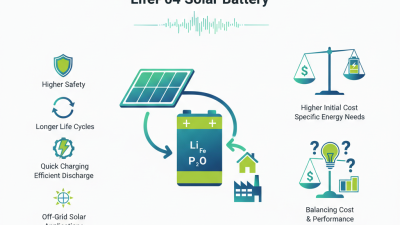
A Solar Battery System Off Grid provides numerous advantages for homeowners and businesses alike. For instance, it enhances energy security and reduces reliance on traditional power sources. It allows users to harness solar energy efficiently, ensuring power availability during outages and reducing electricity costs. However, there are challenges. Initial costs can be high, and system maintenance requires attention and care.
Moreover, solar energy production fluctuates. Users must consider weather impacts on energy generation. A strategic approach and expert guidance, like that of Dr. Carter, can provide the clarity needed for effective implementation. Ultimately, transitioning to a Solar Battery System Off Grid is an ongoing journey of adjustment and learning.

The Definition and Functionality of Solar Battery Systems in Off-Grid Living
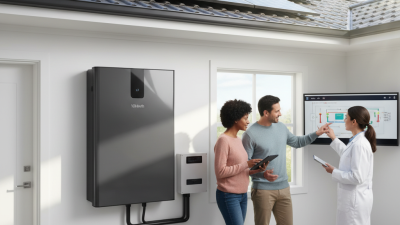
Solar battery systems play a crucial role in off-grid living. They store energy collected from solar panels, ensuring availability even during low sunlight. By using a solar battery, you can maintain power for essential appliances like refrigerators and lights. This enhances both comfort and safety in remote locations.
Choosing the right capacity for your needs is vital. Calculate your daily energy usage to avoid shortages. Consider potential growth in your consumption as well. It’s often helpful to consult experts in the field to better understand your specific requirements.
Regular maintenance helps ensure your solar battery system operates efficiently. Monitor battery health and performance closely. This can prevent unexpected failures in your power supply. You may find that finding the right balance between storage and use is challenging. Each setup is unique, and adjustments may take time.
Key Advantages of Energy Independence with Solar Battery Systems
Solar battery systems provide enhanced energy independence, allowing users to harness renewable energy efficiently. With a growing interest in off-grid living, these systems offer reliable electricity without relying on traditional power sources. According to a recent report by the U.S. Department of Energy, incorporating solar battery storage can increase self-sufficiency by up to 70%. This reduction in dependence on the grid can significantly lower energy costs.
The benefits extend beyond mere savings. By storing solar energy, users can access power during outages or at night. This capability is critical, especially in regions prone to natural disasters. A study by Solar Energy Industries Association highlights that solar battery systems can serve as a robust backup for homes, ensuring that essential appliances remain operational even in emergencies.
However, implementing solar battery systems requires careful planning. Initial costs can be high, and not all systems deliver the same performance. Users must evaluate their energy needs and system capacity. Additionally, many households may struggle to optimize solar energy use effectively. Therefore, educating oneself and seeking expert advice can make a substantial difference in achieving energy independence.
Cost Savings: Analyzing the Economic Benefits of Solar Batteries Over Time
Off-grid solar battery systems provide significant economic advantages over time. By harnessing solar energy, homeowners reduce their reliance on traditional power sources. This shift leads to lower electricity bills and less vulnerability to rising energy costs. Over the lifespan of a solar battery, these savings can accumulate substantially.
Solar batteries offer a unique capacity to store energy for later use. This storage capacity allows users to tap into their solar power even when the sun isn’t shining. While the initial investment may seem daunting, the long-term savings can justify the costs. It’s crucial to analyze individual energy needs and usage patterns for an accurate cost-benefit assessment.
However, not every system is perfect. Maintenance and potential technical issues can arise. In some cases, batteries may require replacement sooner than expected. Additionally, regional climate and sunlight availability can impact overall energy production. Understanding these factors is essential in making an informed decision about solar battery systems. Balancing the benefits with possible downsides will lead to a more reliable, financially sound choice.
Environmental Impact: Reducing Carbon Footprint with Off-Grid Solar Solutions
The environmental impact of off-grid solar solutions is significant. Utilizing solar battery systems can drastically reduce one's carbon footprint. By harnessing solar energy, individuals can minimize their reliance on fossil fuels, leading to fewer greenhouse gas emissions. This transition supports the global initiative to combat climate change and promotes a sustainable future.
However, implementing these systems requires careful consideration. The production of solar panels and batteries involves resource extraction, which can harm local ecosystems. Furthermore, the end-of-life recycling of these components remains a challenge. It's crucial to weigh these potential downsides against the benefits of renewable energy. True sustainability means constantly improving efficiency and reducing the environmental toll of production.
Adopting an off-grid lifestyle with solar solutions can be empowering. It provides independence from traditional energy sources. Yet, this path requires planning and knowledge. Understanding the full lifecycle of solar technologies is essential. The commitment to reducing one’s carbon footprint must include a holistic view of environmental impacts.
Technological Innovations Driving Efficiency in Solar Battery Systems
Recent advancements in solar battery systems reveal a more efficient off-grid energy solution. Technological innovations have dramatically improved the performance of these systems. For instance, the integration of lithium-ion batteries has led to a 50% increase in energy density compared to traditional lead-acid batteries. This means more energy can be stored in a smaller space, making off-grid applications more feasible for rural homes and remote facilities.
Moreover, the emergence of smart battery management systems enhances energy usage. These systems optimize charge and discharge cycles, improving the lifespan of solar batteries. Data from the Solar Energy Industries Association indicates that smart technologies can boost battery efficiency by as much as 30%. These improvements translate to significant savings and reduced reliance on renewable energy installations.
However, challenges remain. The initial cost of setting up a solar battery system can be a barrier for many. While prices have declined significantly, making solar battery systems more accessible, potential users should weigh their long-term benefits against upfront expenses. Understandably, not every innovation meets all expectations, leading to decisions that require careful consideration. As technology continues to evolve, ongoing reflection on energy needs will be crucial for future progress.