Top 5 Pure Wave Inverters for Optimal Energy Efficiency?
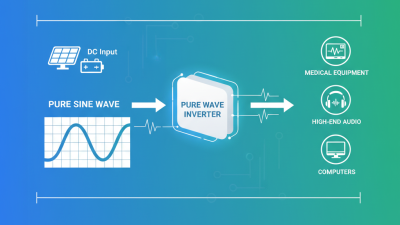
In recent years, the demand for clean and efficient energy solutions has skyrocketed. According to a report by the International Energy Agency, energy efficiency can lead to a potential reduction in global energy demand by 40%. Among the key technologies contributing to this shift are Pure Wave Inverters. These devices convert DC power into high-quality AC power with minimal distortion, making them crucial for optimizing energy use in residential and commercial settings.
Pure Wave Inverters stand out due to their ability to handle sensitive electronics. This feature is vital, as improper voltage can damage equipment and lead to costly replacements. A study by the National Renewable Energy Laboratory reveals that using Pure Wave Inverters can improve energy savings by up to 30%. Yet, many consumers remain unaware of these benefits or mistakenly choose less efficient options.
Investing in the right Pure Wave Inverter can greatly enhance system performance and sustainability. However, not all products on the market meet high standards. Some options may lack efficiency or reliability, leaving consumers unsatisfied. Consumers should carefully research and consider their choices to ensure optimal energy efficiency in their applications.

Understanding Pure Wave Inverters and Their Benefits
Pure wave inverters are essential for maximizing energy efficiency in various applications. They convert direct current (DC) to alternating current (AC) with minimal voltage distortion. This quality is important for sensitive electronics. According to a recent report by the International Energy Agency (IEA), systems using pure wave inverters can achieve up to 98% efficiency. This is a notable improvement over modified sine wave inverters, which can drop efficiency significantly.
The benefits of pure wave inverters extend beyond efficiency. They provide cleaner power, which is crucial for appliances like computers and medical devices. A study from the National Renewable Energy Laboratory (NREL) highlights that appliances powered by pure wave inverters experience less electrical noise and longer lifespans. This improves not just the performance of devices but also the overall reliability of energy systems.
However, while pure wave inverters are more efficient, they can be more expensive initially. This is a concern for budget-conscious consumers. It's essential to weigh the upfront cost against the long-term savings from reduced energy consumption and increased appliance longevity. The decision should consider specific energy needs and usage patterns. The balance between cost and efficiency can be challenging. Assessing these factors is crucial for making an informed choice.
Key Features to Look for in a High-Performance Inverter
When selecting a pure wave inverter, it's crucial to focus on key features that enhance performance. Efficiency rating is one of the most critical attributes. A high-efficiency inverter can convert up to 95% of input power. This means less energy wasted and lower electricity bills. In the industry, studies show that even a 1% improvement in efficiency can lead to significant savings over time.
Another important aspect is the inverter's ability to handle overloads. Some inverters can manage up to 150% of their rated capacity for short periods. This feature is vital for devices that require a surge of power at startup. Also, durability plays a key role in long-term performance. Inverters with a solid construction often have lifetimes of over ten years, ensuring reliability and reduced maintenance costs.
Compatibility with various solar panel systems is also worth considering. Not all inverters work seamlessly with every solar array. Understanding the types of solar technology in use can prevent compatibility issues. Regular reports indicate that mismatched systems can reduce overall energy output by as much as 30%. Evaluating these factors carefully can lead to better decision-making in energy investments.
Top 5 Pure Wave Inverters Reviewed for Energy Efficiency
When choosing pure sine wave inverters, energy efficiency is critical. According to the U.S. Department of Energy, pure sine wave inverters can improve energy conversion efficiency by up to 15% compared to modified sine wave inverters. This means less wasted energy and lower electricity bills over time.
Research indicates that high-quality pure sine wave inverters maintain a conversion efficiency of around 90-95%. This efficiency is vital for powering sensitive electronics, such as computers and medical devices. Inadequate inverters can cause device malfunctions or even damage, leading to costly replacements.
Many users overlook the importance of inverter performance data. Therefore, selecting an inverter should be based on independent reviews and efficiency metrics. For instance, the California Energy Commission reports that non-compliant inverters can consume energy even when idle. Understanding these dynamics helps in making informed decisions about energy use.
Comparative Analysis of Price vs. Performance in Inverters
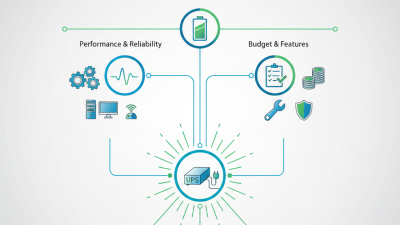
When evaluating pure wave inverters, the price versus performance ratio becomes critical. While many options exist, the most efficient units often come with higher initial costs. This can be a tough decision. Lower-priced models may save you money upfront, but they might underperform over time. Higher quality inverters typically deliver better energy efficiency and longer lifespans. Thus, it's vital to consider what you prioritise in your purchase.
Tips: Always check the specifications. Look for models with high efficiency ratings. Efficiency directly impacts your energy bills. Investing in a more reliable unit may mean spending more now, but it leads to savings in the long run.
Remember that not all high-priced inverters guarantee superior performance. Some models may boast features that are unnecessary for your needs. Research user reviews and expert opinions. They provide insights into the real-world performance of these devices. Gathering this information can help strike a balance between cost and function.
Tips for Maximizing Energy Efficiency with Pure Wave Inverters
To maximize energy efficiency with pure wave inverters, understanding their workings is crucial. These inverters convert DC electricity to AC, producing a clean output. Industry reports indicate that pure sine wave inverters are about 15-20% more efficient than modified sine wave inverters. They improve the performance of appliances, reducing energy waste.
Using pure wave inverters can lead to notable cost savings. Appliances like refrigerators and microwaves operate better, as the clean wave form minimizes wear and tear. A study from the Department of Energy shows that energy-efficient appliances can save homeowners nearly $500 annually. However, with increases in efficiency can come higher initial investments. The long-term benefits often outweigh short-term costs, yet some users remain hesitant.
Proper installation plays a significant role in overall efficiency. Ensure wiring is optimal and connections are secure. Loose connections can lead to performance dips. Regular maintenance checks also help identify any issues early. This approach ensures the inverter operates at peak efficiency, ultimately providing better energy savings. While these strategies yield positive results, not every setup is perfect. Continuous reflection and adjustment are keys to maintaining high energy efficiency.
Top 5 Pure Wave Inverters for Optimal Energy Efficiency
This chart displays the energy efficiency ratings of the top 5 pure wave inverters. The values indicate the efficiency percentage, with higher values representing better energy conversion rates.