The global solar market is moving from one-way generation toward flexible, interactive energy systems. The International Energy Agency reported nearly 510 GW of new renewable capacity in 2023. Solar photovoltaic systems represented about three-quarters of that growth. This expansion creates stronger demand for a reliable Bidirectional Solar Inverter.
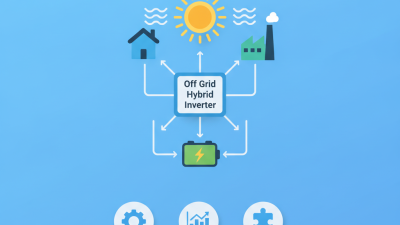
A Bidirectional Solar Inverter can move electricity between solar panels, batteries, homes, vehicles, and the grid. It may charge a battery at midday and discharge it during evening demand. Some models also support backup power and vehicle-to-home operation. The details matter. Conversion efficiency, battery compatibility, islanding protection, communication protocols, and warranty support can determine real-world value.
The International Energy Agency’s Global EV Outlook 2024 recorded more than 14 million electric-car sales in 2023. That figure highlights the growing importance of bidirectional charging. Willett Kempton, a pioneer of vehicle-to-grid research, described the concept plainly: “A car is a battery on wheels.”
This guide examines the Top 10 Bidirectional Solar Inverters for Global Buyers. It compares output capacity, operating modes, safety features, monitoring tools, installation requirements, and regional grid compatibility. Manufacturer claims are useful, but field conditions can disagree. A product performing well in a warm Australian home may behave differently in a cold European garage. No ranking stays perfect forever. Firmware updates, battery standards, tariffs, and certification rules continue changing. Global buyers should verify local approvals and installer expertise before making a final decision.
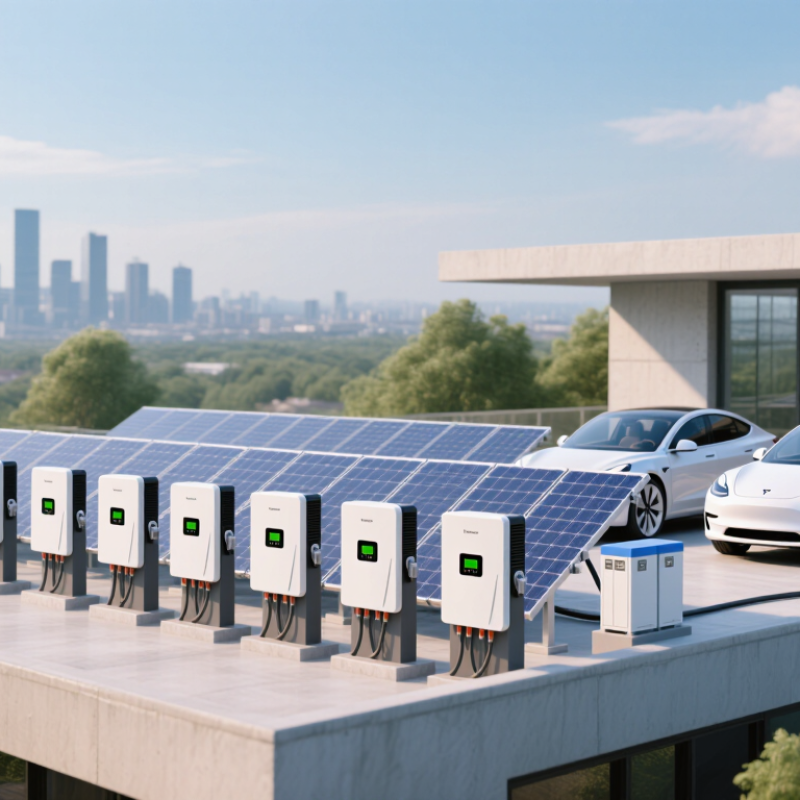
A bidirectional solar inverter converts electricity between direct current and alternating current in both directions. Solar panels and batteries produce direct current, while household circuits use alternating current. During daylight, the inverter sends solar power to appliances and charges the battery. At night, it reverses the flow, drawing battery energy for household use.
The control system constantly compares solar production, battery state, household demand, and grid conditions. If the battery is full, surplus power may move to the grid, where regulations permit. IRENA’s Renewable Capacity Statistics 2024 reported global solar capacity of about 1,419 GW at the end of 2023. That scale increases the need for accurate energy conversion and safer storage coordination. A practical installation also requires compatible voltage, frequency, protection, and communication settings.
Efficiency figures need careful reading. NREL’s Storage Futures Study commonly models battery round-trip efficiency near 85–95%, depending on technology and operating conditions. The inverter adds conversion losses, especially during low-power operation. Real results can differ. Heat, cable length, battery age, and standby consumption all matter. A glossy specification sheet cannot show every household’s performance. Installers should measure load patterns, not guess from panel capacity alone. The difficult part is often control logic, not the metal cabinet.
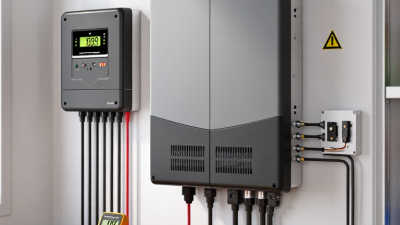
When comparing bidirectional solar inverters, start with real operating conditions, not brochure ratings. Check continuous output, surge capacity, battery voltage range, and usable charging power. A unit rated for 10 kW may deliver less during high temperatures. That detail matters.
Round-trip efficiency affects daily energy savings. Compare measured efficiency across partial loads, not only the best figure. Confirm MPPT voltage ranges match the planned solar array. Battery compatibility also requires care. Lithium, lead-acid, and other chemistries may need different charging profiles. The inverter should include clear protection settings and temperature monitoring.
Grid interaction is equally important. Verify compliance with local connection rules, anti-islanding requirements, and approved voltage and frequency ranges. Certification may differ between regions. A professional installer should check this before purchase. Look for fast backup transfer, stable off-grid operation, and safe generator integration where permitted. Surge protection, ground-fault detection, and an appropriate enclosure rating improve reliability in dusty or humid locations.
Monitoring should show battery state, solar production, grid flow, and fault history. A simple screen is often more useful than a crowded application. I once saw a system lose performance because the battery cables were too long and undersized. The inverter was not the only problem. Cable length, ventilation, firmware support, and service access deserve equal attention. Warranty length helps, but local technical support can matter more. Higher efficiency is useful, yet real performance still depends on installation quality.
Choosing among the top 10 bidirectional solar inverters requires more than comparing rated power. A suitable unit can convert solar energy, charge batteries, and supply household loads during outages. Global buyers should check voltage compatibility, grid frequency, protection standards, and local certification requirements. A 5 kW inverter may suit a small home, while a 10 kW or 15 kW model fits larger properties. Confirm this with measured daily consumption, not guesswork.
The strongest options usually include hybrid inverters with backup output, high-voltage battery inverters, low-voltage battery inverters, and three-phase systems. Other useful choices include split-phase units, off-grid-capable models, microgrid-ready systems, and inverters with generator integration. Modular systems can simplify future expansion. Look for clear battery communication protocols, remote monitoring, thermal protection, and a transfer time suitable for sensitive equipment. A quiet fan matters in bedrooms.
Real installation experience shows that efficiency figures can hide practical losses from cables, heat, and partial loads. Ask for tested performance data, warranty terms, service contacts, and replacement procedures. Do not trust a ranking alone. Site conditions change everything. I would recheck surge capacity before purchase, especially for pumps, compressors, and workshop tools. Some specifications also appear impressive but lack independent verification. Buyers should compare certified documents, installer feedback, and operating temperatures before making a final decision.
Choosing among the top 10 bidirectional solar inverters requires more than comparing power ratings. Global buyers should verify voltage, frequency, phase configuration, and battery communication standards. A unit designed for 230 V single-phase service may not suit a 120/240 V split-phase installation. Compatibility must be checked at the system level.
Safety documentation deserves close attention. Look for applicable standards covering inverter safety, grid connection, anti-islanding, electromagnetic compatibility, and battery integration. Certification may include IEC 62109, IEC 62477-1, IEC 62116, or regional grid-code approvals. Requirements differ between countries and utilities. A certificate from one market may not satisfy another authority.
Practical inspection matters too. Confirm the enclosure rating, surge protection, cooling method, residual-current protection, and operating temperature range. Ask for current test reports, not only marketing claims. A qualified installer should also review firmware, cable sizing, earthing, and emergency shutdown procedures.
Small details matter.
In field evaluations, communication failures often cause more trouble than inverter capacity. CAN or RS485 settings may require exact protocols and termination. Battery chemistry, charge limits, and backup behavior should be tested before commissioning. Certification is not a guarantee of perfect performance. Installation quality still matters. I have seen technically compliant systems perform poorly because local grid settings were overlooked. Buyers should leave room for that uncomfortable possibility and verify every configuration with the relevant authority.
Choosing a bidirectional solar inverter starts with how energy moves through your home or site. A household seeking evening backup needs battery charging, dependable islanding, and enough output for essential circuits.
List the actual loads: a refrigerator, router, well pump, and perhaps one air conditioner. Add their running watts and motor-starting surges; those numbers can differ sharply. Small details matter. A unit sized only for daily energy may still trip when a pump starts.
For a grid-connected system, check the inverter’s battery voltage range and solar input limits. Confirm that its operating modes match the panels and battery you plan to use. Look beyond headline efficiency: standby consumption, usable backup power, and performance in heat affect daily results.
In a workshop or remote cabin, compare continuous output with peak demand, then consider enclosure rating and service access. Installation rules and grid-interconnection requirements vary by location, so confirm them with a qualified installer before purchase.
Planning sheets can miss future loads; it is an easy mistake and annoying to correct. Leave some capacity margin, but do not oversize blindly.