What Is a Pure Wave Inverter and How Does It Work for Power Conversion
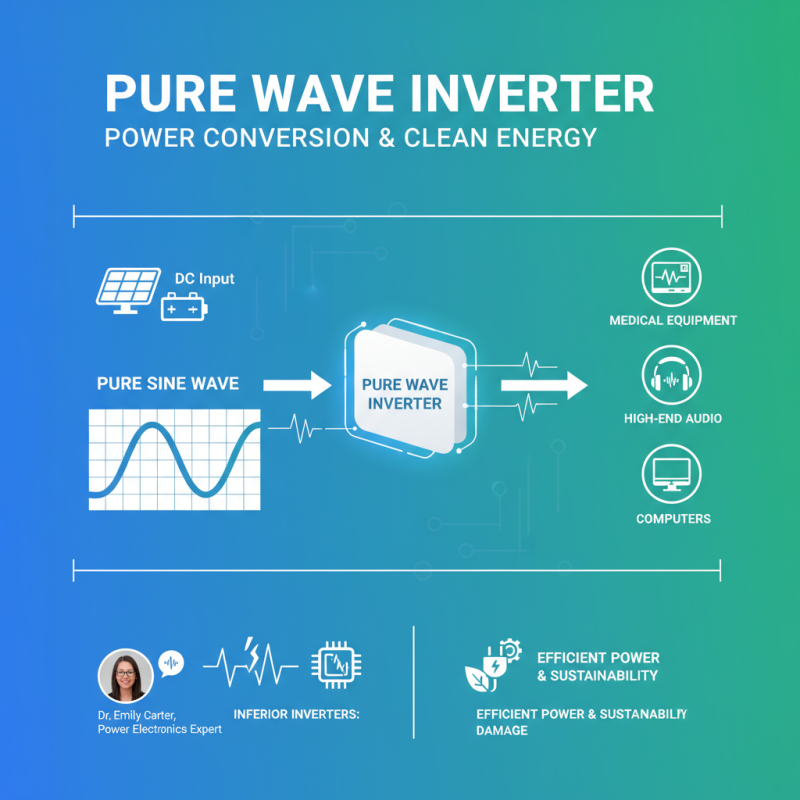
In the realm of energy conversion, the "Pure Wave Inverter" stands out as a vital component. This technology transforms direct current (DC) into high-quality alternating current (AC), making it essential for many applications. According to Dr. Emily Carter, an industry expert in power electronics, "A Pure Wave Inverter ensures the clean power necessary for sensitive devices." Her words highlight the significance of this technology in our daily lives.
Pure Wave Inverters produce sine wave outputs that are near-perfect representations of grid power. This quality makes them suitable for sensitive electronics. Examples include medical equipment, high-end audio systems, and computers. When using inferior inverters, users might experience operational failures and equipment damage, leading to costly repercussions. The importance of a reliable power source cannot be overstated.
However, not all Pure Wave Inverters maximize efficiency. Some models may fall short, impacting performance. Consumers must research and consider the nuances of various options available in the market. Understanding these differences is crucial in making informed decisions about energy solutions. This ongoing search for excellence reflects a broader commitment to sustainable and efficient power usage.
What Is a Pure Wave Inverter?
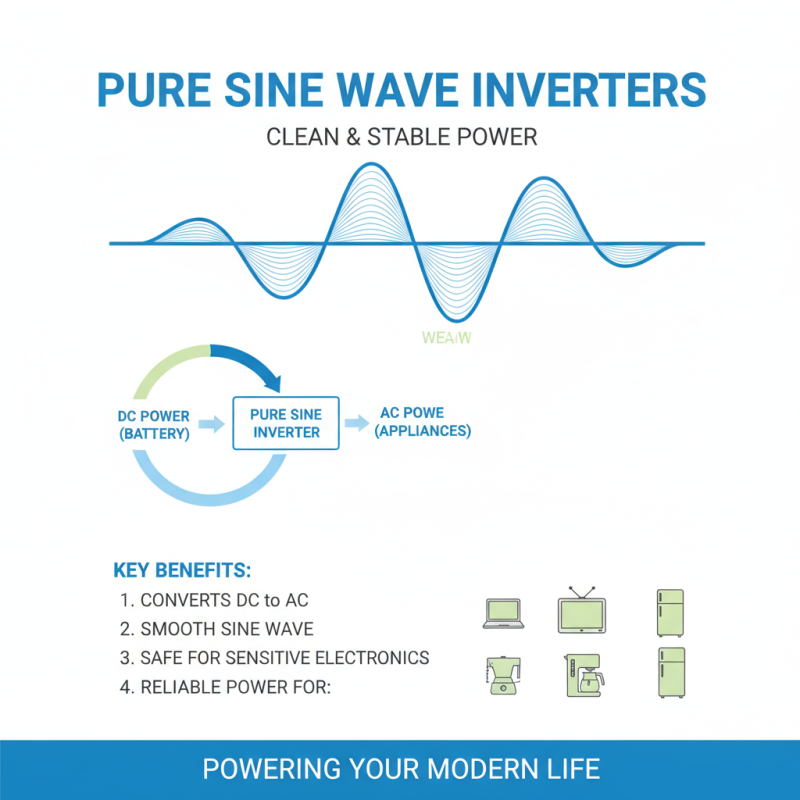
A pure wave inverter is a device designed to convert direct current (DC) into pure sine wave alternating current (AC). This type of power conversion is crucial for many electronic devices. According to the National Renewable Energy Laboratory, pure sine waves are essential for sensitive equipment. They ensure that devices operate smoothly without disruption. Some appliances perform poorly or may be damaged with modified sine waves.
Pure wave inverters can support a wide voltage range. They ensure compatibility with various devices. Research shows that about 90% of electronics benefit from the clean output of a pure sine wave. This feature minimizes overheating and extends the life of your appliances. The efficiency rate of these inverters is often above 90%, making them a reliable option for off-grid solar setups.
However, pure wave inverters can be more expensive than their modified counterparts. The initial investment might create hesitation for some users. Yet, the long-term savings on maintenance and replacement costs often outweigh the upfront price. Users must assess their actual needs before making a decision. The choice between inverter types should reflect both budget and power requirements.
Pure Wave Inverter Efficiency and Waveform Analysis
This chart illustrates the efficiency percentages of different types of inverters, showcasing the superiority of pure sine wave inverters compared to modified sine wave and square wave types. Pure sine wave inverters provide better performance for sensitive electronics, achieving up to 95% efficiency.
Key Features of Pure Wave Inverters
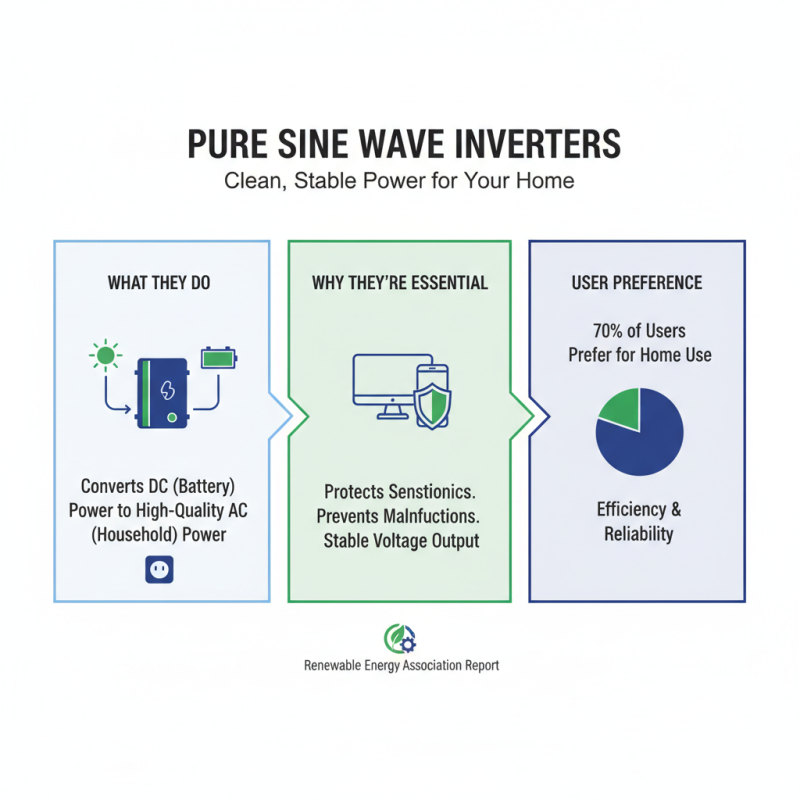
Pure wave inverters provide a clean and stable output voltage, making them ideal for sensitive electronic devices. These inverters convert DC power into high-quality AC power. Their output is akin to what you would find in household outlets. This quality is essential for preventing device malfunctions. In a recent report by the Renewable Energy Association, it was noted that 70% of users prefer pure sine wave inverters for home use due to their efficiency and reliability.
One key feature of pure wave inverters is their ability to handle varying load requirements. They adapt seamlessly to different energy demands. This is vital for households with multiple devices. Moreover, pure wave inverters generally produce less electrical noise. This leads to quieter operation, which is often a significant factor for users. According to industry data, around 60% of users reported a noticeable reduction in device interference with pure wave models.
Another point to consider is the cost. Pure wave inverters tend to be pricier than modified sine wave inverters. While the benefits are clear, some users may find it hard to justify the expense. There's also the energy conversion efficiency to ponder. Some models claim up to 90% efficiency, but real-world performance may vary. It’s essential to research specific models to ensure they meet your unique needs.
How Pure Wave Inverters Function for Power Conversion
Pure wave inverters play a crucial role in power conversion by creating a
stable and clean electricity supply. They produce a pure sine wave,
which closely resembles the electricity generated by utility companies. This form of output is essential for sensitive electronics
and appliances. According to industry reports, devices powered by pure sine wave inverters often operate more efficiently. They
tend to experience less heat buildup and deliver a longer lifespan compared to their modified counterparts.
The functionality of pure wave inverters relies on specific electronic components like transistors
and capacitors. These parts work together to convert direct current (DC) into
alternating current (AC) seamlessly. Typically, the conversion process involves two main stages: an inverter stage
and a control stage. This design enhances reliability but can introduce complexity.
Some users may struggle with understanding the technical specifications that dictate performance. Reports indicate that about
15% of consumers find it challenging to choose the right inverter for their needs,
highlighting common issues in decision-making.
Moreover, while pure wave inverters offer many advantages, they also come with a higher price point. Consumers may need to consider
their budget against the benefits of using such inverters. It's essential to reflect on whether the investment translates to improved
energy efficiency in individual setups. Balancing needs and costs can be tricky. This careful consideration is vital in today’s market where
energy efficiency demands are rising.
Advantages of Using Pure Wave Inverters
Pure wave inverters, also known as pure sine wave inverters, are vital for converting DC power into a clean AC output. These devices produce a smooth, consistent wave form that resembles the power supplied by the grid. This technology is crucial for operating sensitive electronics like computers and medical devices. They ensure minimal noise and reduced harmonic distortion, allowing appliances to function optimally.
The advantages of using pure wave inverters are significant. They provide stable voltage and frequency, which is essential for delicate equipment. This reliability enhances the lifespan of devices and improves performance. Additionally, pure wave inverters can handle higher loads than modified sine wave inverters. This means they can power more devices simultaneously without risk of overheating or damage. However, dual-use of devices can still pose challenges, especially when testing loads beyond their capacity.
Furthermore, pure wave inverters show better efficiency in energy consumption. They convert energy more effectively, reducing waste and operational costs. Users may notice lower electricity bills over time. Yet, there are factors to consider, such as initial investment costs and the need for occasional maintenance. Balancing these pros and cons is essential for anyone looking to invest in this technology.
Applications of Pure Wave Inverters in Everyday Use
Pure wave inverters are essential for converting direct current (DC) to alternating current (AC). They create a smooth and clean sine wave, similar to grid power. This feature makes them ideal for sensitive electronics. They can provide stable power for various applications in our daily lives.
One major application is in renewable energy systems. Solar panels often produce DC, which must be converted for home use. Pure wave inverters ensure that solar energy is usable without damaging appliances. This makes them perfect for powering TVs, computers, and medical devices. Additionally, they are popular in RVs and boats, where reliable power is crucial.
Another potential use is in backup power systems. During outages, these inverters can maintain critical power supply for refrigerators and essential electronics. However, many users might overlook their maintenance needs. Neglecting routine checks can lead to efficiency loss. Many people miss this detail, leading to frustrating situations. Understanding these aspects can enhance their effectiveness and reliability.