Why Choose Pure Wave Inverter for Your Energy Needs and What Are Its Benefits
In today’s rapidly evolving energy landscape, the demand for efficient and reliable power solutions has never been higher. As reported by the International Energy Agency, global electricity demand is expected to grow by 4% annually, necessitating advances in inverter technology to support this surge. One notable innovation in this space is the Pure Wave Inverter, which has emerged as a leading choice for both residential and commercial energy needs. These inverters are designed to provide a clean and stable power output, essential for the proper functioning of sensitive electronic devices.
Renowned energy expert Dr. Emily Sanchez emphasizes the importance of adopting advanced inverter technologies, stating, “Pure Wave Inverters are pivotal for enhancing energy efficiency and reliability, particularly as consumers increasingly rely on sophisticated devices.” The benefits of using a Pure Wave Inverter are manifold, including reduced harmonic distortion, improved load compatibility, and enhanced device longevity. As energy consumption patterns shift, choosing the right inverter technology becomes crucial for sustainability and operational efficiency, making the Pure Wave Inverter an excellent investment for the future.
Benefits of Pure Wave Inverters Over Other Inverter Types
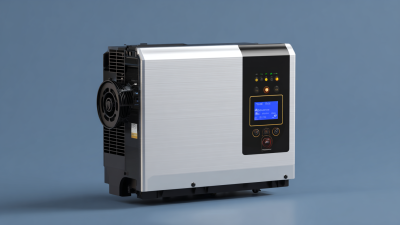
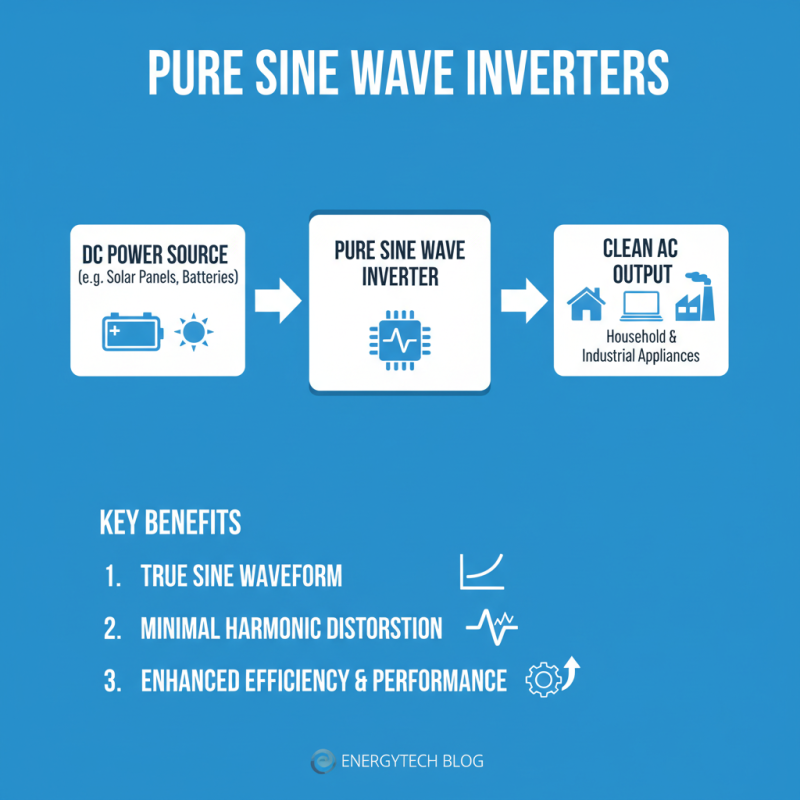
Pure wave inverters, also known as pure sine wave inverters, are distinguished by their ability to produce a smooth and consistent electrical output that closely resembles the waveform of utility power. This characteristic is particularly beneficial for sensitive electronic devices and appliances, which often require a stable power supply to function optimally. Unlike modified sine wave inverters, which can lead to overheating and malfunctioning of equipment, pure wave inverters ensure that devices such as computers, medical equipment, and high-end audio systems operate without risk of damage.
Additionally, pure wave inverters are more efficient in converting DC power to AC power, resulting in less energy loss during the process. This high efficiency translates into better battery life, allowing users to maximize the use of their renewable energy sources. Moreover, these inverters are known for their reliability and lower harmonic distortion, which contributes to a cleaner energy output. This makes them an ideal choice for solar power systems, where the quality of the energy produced is critical for maximizing performance and longevity of equipment. Overall, the advantages of pure wave inverters over other types are significant, making them a preferred solution for diverse energy needs.
Benefits of Pure Wave Inverters Over Other Inverter Types
Applications of Pure Wave Inverters in Residential and Commercial Use
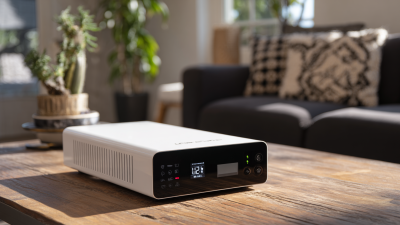
Pure wave inverters are gaining recognition for their versatility in both residential and commercial applications. In homes, these inverters provide clean and stable power, ideal for running sensitive electronics like computers, televisions, and medical equipment. Their ability to produce a pure sine wave ensures that appliances operate smoothly without the risk of damage that can occur with modified or square wave inverters. This is particularly beneficial in situations where power quality is crucial, such as in home offices or when maintaining continuity in medical devices.
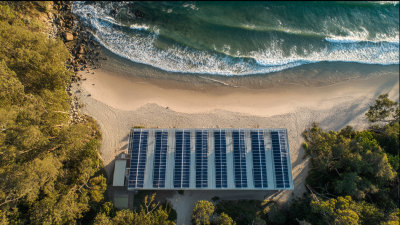
In commercial settings, pure wave inverters are equally essential. They support larger scale operations, ensuring that machinery and industrial equipment function efficiently. The reliable power output helps businesses avoid costly downtime and extends the lifespan of their operational tools. Additionally, many companies are moving towards renewable energy integration, and pure wave inverters facilitate this transition seamlessly. By converting solar energy or battery storage into usable power, they empower businesses to operate sustainably while reducing their energy costs. These characteristics make pure wave inverters an invaluable asset across various sectors, from residential living to large-scale commercial enterprises.
Factors to Consider When Choosing a Pure Wave Inverter
When considering a pure wave inverter, several key factors can significantly influence your energy efficiency and overall satisfaction.
First, understanding the inverter's power rating is crucial.
The wattage should be sufficient to support all connected appliances without causing overloads.
According to industry reports, a pure sine wave inverter typically offers a power factor near 1.0, making it ideal for sensitive electronics that might be adversely affected by modified sine waves.
Another critical factor is the inverter's efficiency rating.
Higher efficiency translates into less wasted energy, which can lead to cost savings over time.
Data from the International Energy Agency shows that top-performing inverters can achieve efficiency ratings above 90%, ensuring you get the maximum output from your energy source.
Ensure you check both the peak and continuous power ratings to guarantee it meets your needs.
Tips: When selecting a pure wave inverter, pay attention to the temperature rating as well.
Inverters that operate efficiently across various temperatures tend to have longer lifespans.
Furthermore, consider the warranty and support provided, as a reliable manufacturer can greatly enhance your experience should issues arise.
Long-Term Cost Savings Associated with Pure Wave Inverters
When considering energy solutions, Pure Wave Inverters stand out not only for their efficiency but also for long-term cost savings. These inverters are known for their ability to produce clean, sine wave power, which is crucial for the optimal functioning of sensitive electronics and appliances. This quality reduces the risk of damage, extends the lifespan of devices, and ultimately minimizes repair and replacement costs over time.
In addition to protecting appliances, Pure Wave Inverters enhance overall energy efficiency. By converting energy more effectively, they maximize the use of solar or battery power, resulting in reduced energy consumption from the grid. This leads to lower electricity bills, which can accumulate into significant savings over the lifespan of the inverter. Moreover, many users find that the initial investment in a high-quality inverter pays off through decreased operational expenses and improved energy management. Investing in a Pure Wave Inverter, therefore, is not just a decision for immediate needs but a strategic move toward long-term financial benefits.
Why Choose Pure Wave Inverter for Your Energy Needs and What Are Its Benefits - Long-Term Cost Savings Associated with Pure Wave Inverters
| Feature |
Description |
Long-Term Cost Savings |
| Efficiency |
Pure wave inverters optimize energy conversion, leading to reduced energy loss during operation. |
Lower electricity bills over time. |
| Power Quality |
Produce clean, stable waveforms that protect sensitive electronics. |
Reduced costs on equipment damage and replacements. |
| Durability |
Long lifespan with high-quality components that withstand harsh conditions. |
Lower maintenance and replacement costs. |
| Versatility |
Can power a wide range of appliances, including those that require smooth energy input. |
Avoids the need for additional inverters, saving upfront costs. |
| Environmental Impact |
Promotes the use of renewable energy sources, reducing carbon footprint. |
Potential savings from government incentives for green energy use. |