How to Choose the Best Lifepo4 100ah 48v Battery for Your Needs
Selecting the right battery for your specific needs can significantly impact the efficiency and performance of your devices or systems. Among the various battery options available in the market, the Lifepo4 100ah 48v battery stands out due to its impressive energy capacity, longevity, and overall reliability. With applications ranging from renewable energy storage to electric vehicles and backup power supplies, understanding the key factors to consider when choosing this type of battery is essential.
In this guide, we will explore the critical aspects that influence your selection of a Lifepo4 100ah 48v battery. Topics will include examining energy requirements, assessing battery life cycles, and evaluating compatibility with your existing systems. By following these considerations, you can make an informed decision that aligns with your energy demands, ensuring that you maximize the potential benefits of the Lifepo4 technology while meeting your specific needs.
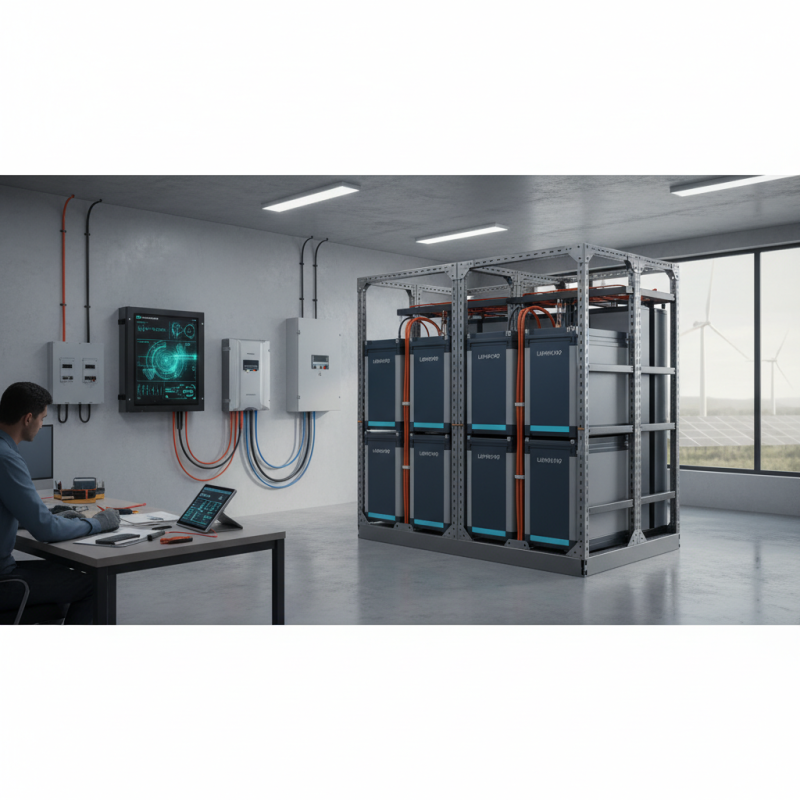
Understanding LiFePO4 Battery Technology and Its Advantages
LiFePO4 (Lithium Iron Phosphate) battery technology stands out for its unique combination of safety, longevity, and performance. Unlike traditional lithium-ion batteries, LiFePO4 batteries are less prone to overheating and thermal runaway, making them a safer alternative for various applications. Their robust chemistry allows for more stable operation across a wide temperature range, which enhances their reliability in diverse environments. Additionally, they experience minimal deterioration over time, leading to an impressive lifecycle of up to 2,000 charge cycles, which is significantly higher than that of conventional lithium batteries.
The advantages of LiFePO4 batteries extend beyond safety and lifespan. They also provide high discharge rates, enabling efficient power delivery in both high drain and prolonged usage scenarios. This makes them an ideal choice for renewable energy storage, electric vehicles, and other applications requiring consistent and robust energy output. Furthermore, LiFePO4 batteries maintain their capacity over time, which means they perform better under load and are more efficient in energy conversion. Their environmental impact is also worth noting; these batteries do not contain toxic materials, aligning better with sustainable practices. Understanding these benefits is pivotal when selecting the right 100Ah 48V battery for individual needs.
Comparison of Key Factors for Choosing the Best LiFePO4 100Ah 48V Battery
Key Factors to Consider When Selecting a 100Ah 48V Battery
When selecting a 100Ah 48V LiFePO4 battery, there are several key factors to consider to ensure that it meets your specific needs. First, assess your power requirements. Calculate the total watt-hours you will need based on your applications, whether it's for solar energy storage, electric vehicles, or backup power systems. This will help you determine the duration the battery must sustain the load and ensure it can supply adequate power without being overdrawn, which could affect its lifespan.
Another important factor is the battery's cycle life and depth of discharge (DoD). LiFePO4 batteries typically offer a longer cycle life compared to other lithium-ion chemistries, with many rated for 2000 to 5000 cycles. Understanding the recommended DoD can help maximize the battery's efficiency and longevity. Additionally, consider the charging and discharging rates, as some applications may require a battery that can handle higher amperages without compromising performance. Finally, look at the physical dimensions and weight of the battery to ensure it fits within your designated space and can be safely installed without additional structural support.
Comparing Different Brands and Models of LiFePO4 Batteries
When comparing different brands and models of LiFePO4 batteries, several critical factors should influence your decision. Firstly, examine the battery's cycle life, which indicates how many charge and discharge cycles it can undergo before its capacity diminishes significantly. Generally, higher cycle life translates to better longevity and value. Additionally, assess the discharge rates provided by various models, as these specifications will determine how effectively the battery can deliver energy for your applications. A battery that supports a higher continuous discharge rate may be essential for high-demand electrical systems.
Another important aspect to consider is the battery management system (BMS) included in each model. A robust BMS enhances safety by monitoring critical parameters such as temperature, voltage, and current, and helps prevent issues such as overcharging and overheating. Evaluate how different brands implement their BMS and whether they offer features like cell balancing and built-in overcurrent protection. Furthermore, consider the size, weight, and physical design of the batteries, ensuring that they fit your installation space and requirements while meeting your performance expectations. By carefully comparing these elements across various options, you can find the most suitable LiFePO4 100Ah 48V battery that meets your unique energy needs.
Evaluating Cost vs. Performance for Your Specific Applications
When evaluating the cost versus performance of a LiFePO4 100Ah 48V battery, it is essential to consider the specific applications for which the battery will be used. The performance of a battery is often measured in terms of its energy density, discharge rates, and cycle life. For applications requiring high power output, a battery with superior discharge capability can be more beneficial, even at a higher upfront cost. On the other hand, if the application is less demanding, a more economical option may provide sufficient performance without stretching your budget.
Additionally, consider the long-term costs associated with battery maintenance and replacement. A higher initial investment in a battery with a longer lifespan and better performance can result in lower total costs over time. Evaluating factors such as warranty duration, expected cycle count, and efficiency under various loads can provide insights into the true value of the investment. Understanding these dynamics will help you make an informed decision that aligns both with your performance requirements and budget constraints.
Maintenance Tips for Longevity of Your 100Ah 48V LiFePO4 Battery
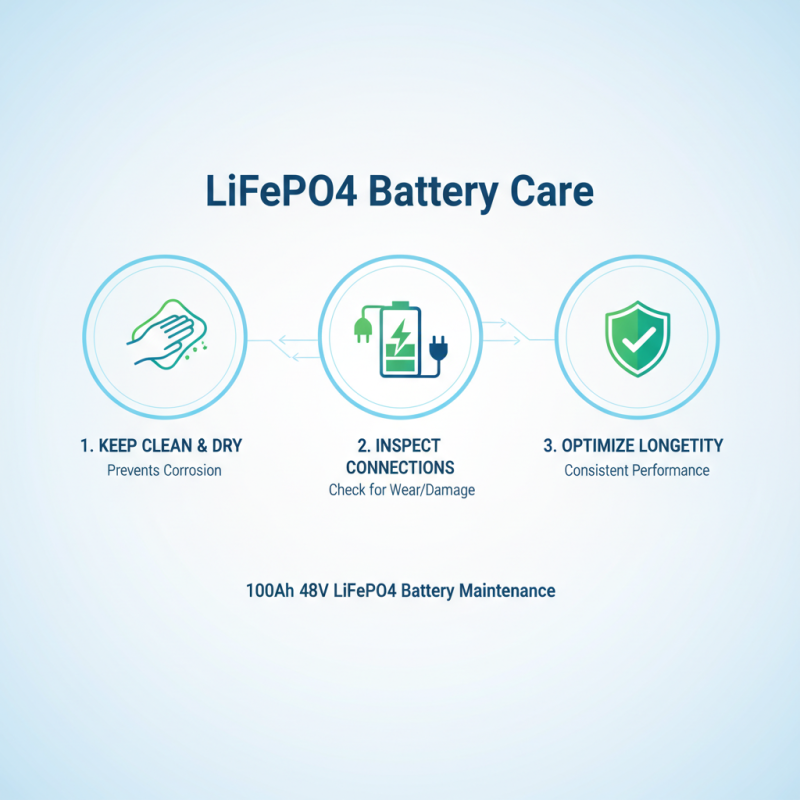
To ensure the longevity of your 100Ah 48V LiFePO4 battery, regular maintenance is essential. One of the primary steps is to keep the battery clean and dry. Dust and moisture can lead to corrosion on terminals and connections, potentially affecting performance. Use a soft cloth to regularly wipe down the battery and ensure that the terminals remain free from buildup. Additionally, inspect the connections for any signs of wear or damage, as these can hinder efficient power transfer.
Another critical aspect of maintenance is monitoring the battery's charging cycles. Aim to keep your LiFePO4 battery within the recommended voltage range and avoid deep discharging, as this can significantly shorten its lifespan. It's advisable to use a compatible charger that precisely matches the battery's specifications to ensure optimal charging. Furthermore, consider storing the battery in a cool, dry place when not in use, as extreme temperatures can adversely affect its performance and longevity. Regularly checking the battery’s state of charge and avoiding prolonged inactivity will help maintain its health over time.