China Top Stacked Lithium Batteries Supplier How to Choose?
Choosing a China-based supplier of Stacked Lithium Batteries requires more than comparing prices and glossy product pages. A reliable decision begins with application details: required voltage, capacity, peak current, operating temperature, cycle life, and available installation space. A battery for an electric vehicle faces different demands than one used in solar storage or industrial equipment.
Dr. Jeff Dahn, a leading lithium-ion battery researcher, has said, “The lithium-ion battery is a very complicated device.” That warning matters when evaluating stacked cell designs. Buyers should examine cell chemistry, electrode consistency, welding quality, insulation, thermal pathways, and battery management system performance. Ask for traceable test records, not only marketing claims. Review cycle-life results, capacity tolerance, charge limits, and protection responses under abnormal conditions.
Supplier credibility also depends on manufacturing discipline. Consider factory audits, quality-control procedures, documented raw-material sources, and relevant certification records. Request samples from the same production line used for larger orders. Measure the pack yourself when possible. Check connector fit, enclosure strength, cable temperature, and BMS communication.
Small details expose large risks.
Still, no supplier evaluation is perfect. Published cycle data may use gentle laboratory conditions, while real equipment experiences vibration, heat, and irregular charging. I would not choose the cheapest quotation without understanding its assumptions. A stronger comparison combines technical evidence, production experience, after-sales support, and transparent communication. The best supplier is not simply the largest factory. It is the partner that can explain performance honestly, identify limitations clearly, and improve the design when field feedback reveals something unexpected.
What Are Stacked Lithium Batteries and Why Choose Them?
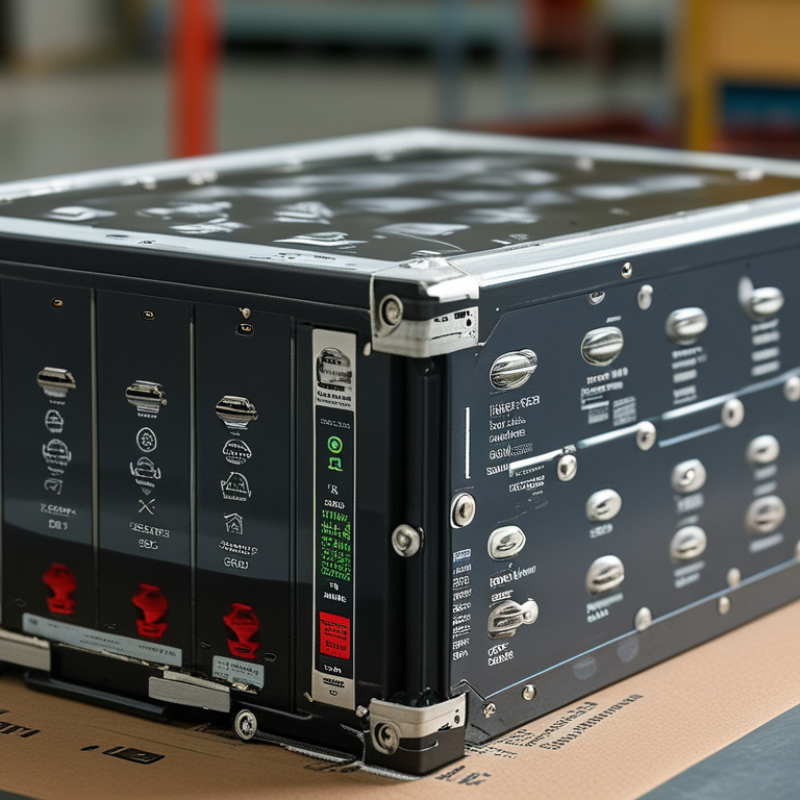
Stacked lithium batteries use flat electrode sheets arranged in alternating layers, rather than one continuous wound roll. This structure can use internal space efficiently and support higher energy density in compact packs. The electrode layers also create short paths for lithium-ion movement. That may reduce resistance and improve power delivery during demanding cycles. In practical battery evaluations, uniform stacking often helps cells maintain consistent performance across the pack.
They are not automatically better.
A stacked design still depends on accurate alignment, clean assembly, and reliable separators. Poor manufacturing can create uneven pressure, weak connections, or local heating. Good suppliers should provide traceable cell materials, documented quality checks, and test data for capacity, cycle life, and safety. Independent testing against applicable standards also matters. A battery management system must monitor voltage, temperature, and charging conditions continuously.
Choosing this technology requires a realistic look at the application. An electric scooter, backup system, and industrial tool may need different discharge rates and thermal controls. Ask how the cells perform after repeated charging, not only when new. Review the warranty terms carefully. Some specifications sound impressive but lack test conditions. I have seen capacity claims change significantly with temperature and charging speed. That detail deserves attention. Stacked cells can offer excellent packaging flexibility, yet their real value depends on engineering discipline, verified data, and proper integration into the final battery pack.
What Are Stacked Lithium Batteries and Why Choose Them?
Typical performance ranges of lithium battery chemistries commonly used in stacked-cell designs
Stacked lithium batteries arrange electrode sheets or cells in layers, helping improve space utilization,
current distribution, and pack design flexibility. LFP chemistry generally provides longer cycle life and
strong thermal stability, while NMC typically offers higher gravimetric energy density. Actual results depend
on cell format, materials, operating temperature, charging rate, and testing conditions.
Which Specifications Matter When Comparing Chinese Suppliers?
When comparing Chinese stacked lithium battery suppliers, begin with the specifications that affect real performance.
Ask about cell chemistry, nominal voltage, rated capacity, and usable energy. Chemistry influences safety, operating temperature, weight, and service life. Do not compare capacity alone. A 100 Ah battery may deliver different usable energy under different discharge conditions.
Check the physical details carefully.
Confirm cell arrangement, battery dimensions, weight, terminal position, and enclosure protection. For equipment used outdoors, the IP rating and temperature range matter. Review continuous and peak discharge current, charging limits, cycle-life test conditions, and battery management system functions. A cycle-life claim without test temperature, depth of discharge, and end-of-life definition is incomplete.
Small details matter.
Ask each supplier for recent test reports, sample data, production traceability, warranty terms, and quality-control records.
Verify transport and safety documentation, such as UN38.3 and relevant IEC testing, for your target market. In practical sourcing, samples often reveal differences hidden in datasheets. One pack may run warmer or weigh more than expected. I would not trust my first comparison sheet completely. Suppliers sometimes describe similar specifications differently. Request the same testing format from every factory, then compare measured results, response time, minimum order quantity, and lead time. A lower price can become expensive when communication, replacement handling, or documentation is weak.
How to Evaluate Battery Quality, Safety, and Certifications?
For a stacked lithium battery supplier, certification should be evidence, not decoration. Global electric vehicle battery demand exceeded 750 GWh in 2023, rising about 40% year on year (IEA, Global EV Outlook 2024). This growth increases pressure on cell consistency, insulation, and traceability. Ask for recent test reports covering the exact cell, module, and configuration you will purchase. A report for another chemistry is not enough. Check capacity retention, internal resistance, thermal performance, and abuse-test results. Request production data, not only laboratory samples.
Safety evaluation should match the battery’s real application. For industrial systems, verify IEC 62619 testing and UN 38.3 transport compliance. IEC 62133-2 may also apply to rechargeable cells, depending on product category. Confirm the certificate holder, model number, laboratory, issue date, and testing scope. Inspect the battery management system, temperature sensors, fuses, spacing, and enclosure rating. During a factory audit, trace sample serial numbers from cells to final packs. Compare them with incoming inspection records. A polished document can still hide weak process control. That assumption can fail.
Tips:
Request a small pilot order. Measure capacity at the stated current and temperature. Check balancing after repeated cycles. Ask for corrective-action records. Use independent testing when possible. Certificates can expire. Websites can mislead. Do not accept “same specification” without written evidence.
How to Verify a Supplier’s Manufacturing and Customization Capabilities?
A reliable stacked lithium battery supplier should prove its capabilities, not merely describe them. Ask for a factory tour, production photographs, and a clear process flow. Look for cell inspection, module stacking, welding, insulation, BMS installation, and end-of-line testing. In practice, small details matter. Are battery trays clean? Are wires labeled? Does each operator follow a written procedure?
Request traceable test records for capacity, internal resistance, temperature rise, vibration, and cycle performance. The supplier should explain its cell grading method and protection strategy. Check whether test equipment has current calibration records. Ask for safety documentation required in your market, such as transport and product compliance reports. A polished certificate is not enough if its model number differs from your battery.
Customization claims require stronger evidence. Send a detailed drawing with dimensions, connector position, voltage range, operating temperature, and communication needs. Then request a sample, a pilot batch, and documented design changes. Compare the approved sample with mass-production units. Some suppliers show excellent prototypes but lack stable tooling or process control. That gap is easy to miss. Ask how they handle failed tests, component shortages, and engineering changes. A trustworthy team admits limitations and records corrective actions. I would also inspect packaging, serial-number tracking, and customer-service response times. One overlooked issue can delay an entire equipment shipment.