Why Choose an Off Grid Hybrid Inverter for Your Home?
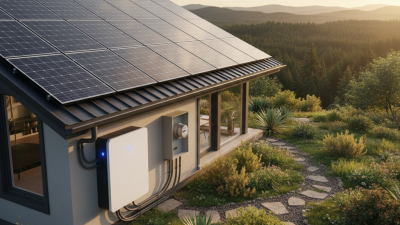
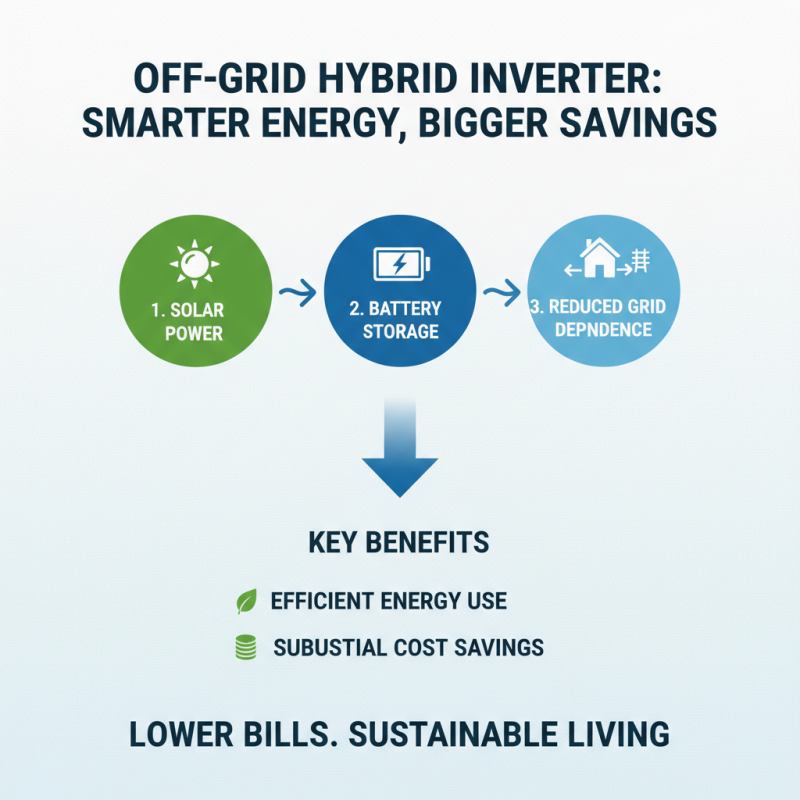
In the quest for energy independence, the Off Grid Hybrid Inverter stands out as a smart solution for homeowners. John Smith, a leading expert in renewable energy systems, emphasizes, "The right inverter can transform your energy consumption." These systems integrate solar energy with battery storage, allowing you to maximize energy efficiency.
Many homeowners are seeking alternatives to traditional power sources. This search often leads them to the Off Grid Hybrid Inverter. It offers flexibility, enabling users to generate and store their own energy. Yet, it’s not without challenges. Installation costs can be high, and finding the right components requires careful consideration.
Beyond the technical aspects, there are personal choices to reflect upon. Are you prepared for the responsibilities of managing your energy supply? The Off Grid Hybrid Inverter could offer freedom, but it’s essential to weigh the potential drawbacks as well. The journey toward energy autonomy is indeed rewarding, yet it demands thoughtful planning and realistic expectations.
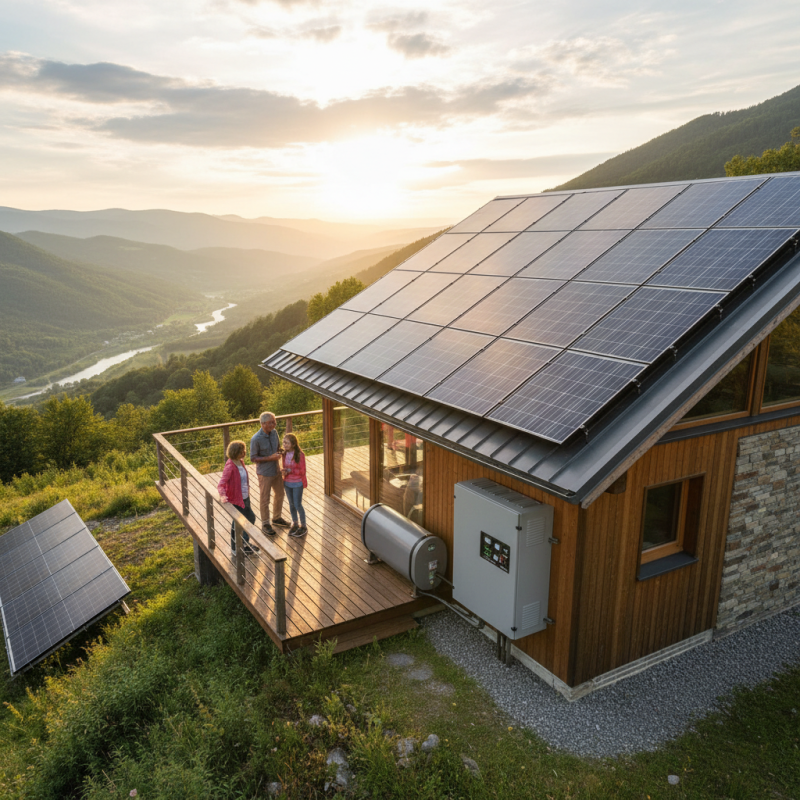
Benefits of Off Grid Hybrid Inverters for Home Energy Solutions
Choosing an off-grid hybrid inverter offers many benefits for home energy solutions. These systems allow homeowners to generate and store renewable energy, making them more self-sufficient. According to a 2022 report by the National Renewable Energy Laboratory, off-grid solar systems can reduce electricity bills by 75% or more. This significant saving makes them a practical choice for many households.
Hybrid inverters can efficiently manage energy from solar panels and batteries. This setup creates a backup power source during outages. A study conducted by Energy Storage Association revealed that homes with hybrid systems increased their energy independence by up to 60%. This reliability is something many desire, especially during peak energy times or natural disasters.
Tips: Regular maintenance of your hybrid inverter can enhance longevity. Check the battery health and clean solar panels to maximize efficiency. Consider energy storage capacity based on your household needs. Remember, optimal sizing is crucial to avoid overloading systems or losing potential energy. Always prioritize safety while setting up your home energy solutions.
Why Choose an Off Grid Hybrid Inverter for Your Home? - Benefits of Off Grid Hybrid Inverters for Home Energy Solutions
| Feature |
Description |
Benefits |
Considerations |
| Energy Independence |
Allows you to generate your own power. |
Less reliance on the grid and utility costs. |
Initial investment can be high. |
| Dual Source Input |
Can utilize both solar and grid electricity. |
Flexibility in energy usage and savings. |
Requires sophisticated technology. |
| Battery Storage |
Stores excess energy for later use. |
Power availability during outages or at night. |
Battery replacement may be needed over time. |
| Noise Reduction |
Quieter operation compared to generators. |
Improved comfort for living environments. |
Still some operating noise possible. |
| Environmental Benefits |
Reduces carbon footprint by using renewable energy. |
Contributes to sustainability efforts. |
Initial setup might impact local environment. |
Understanding the Working Mechanism of Off Grid Hybrid Inverters
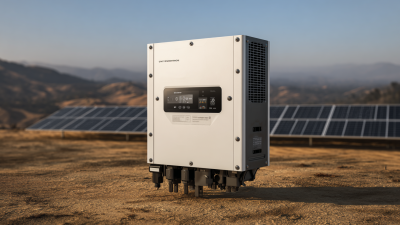
Off-grid hybrid inverters are designed to optimize energy use in homes. They combine solar power, battery storage, and grid power. This combination provides a reliable energy solution, even when the grid is unavailable. Understanding their mechanism is essential for homeowners considering this investment.
These inverters work by converting DC power from solar panels into AC power. They can also charge batteries from solar energy or the grid. When demand rises, these inverters can supply power directly from batteries or solar panels. You will always have a backup during outages. However, it’s crucial to ensure your battery capacity meets your needs. Too small a system may lead to shortages.
Tips: Regularly monitor battery levels to avoid depletion. Look into energy-efficient devices to minimize usage. Assess your power needs before installing your system. A poorly planned system can lead to frustration and wasted resources. Investing time in research can lead to better energy independence.
Key Features to Consider When Choosing a Hybrid Inverter
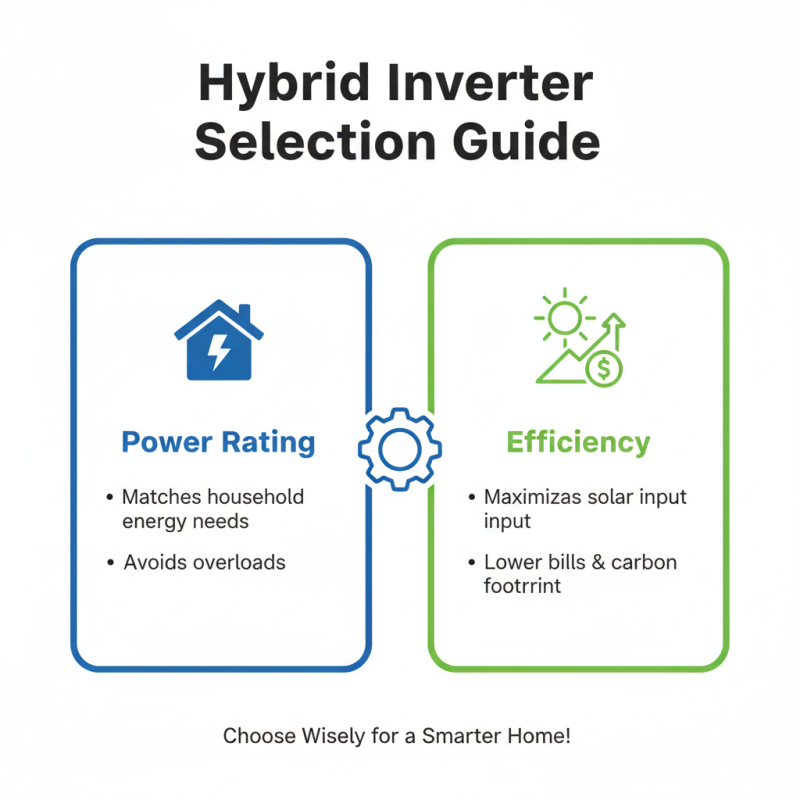
When selecting a hybrid inverter for your home, several key features deserve your attention. One important aspect is the inverter's power rating. Make sure it can handle your household's energy needs. Too low a rating may lead to frequent overloads, causing inconvenience. Efficiency is also crucial. Look for inverters that maximize solar input, producing more usable energy. This translates into lower electricity bills and a reduced carbon footprint.
Consider the inverter's compatibility with existing systems. Not all inverters easily integrate with other technologies. Check if it supports battery storage solutions as well. Battery back-up is vital for off-grid living. A well-chosen inverter can help you maintain power during outages.
User-friendly interfaces are another feature to ponder. A complicated control system can frustrate users. Opt for systems with clear displays and easy settings. You may prefer remote monitoring capabilities. This allows you to manage energy use effortlessly. Reflect on your long-term goals. Sometimes, hybrid systems might feel overwhelming, with too many options. Take your time to assess your needs carefully.
Environmental Impact and Sustainability of Off Grid Systems
Off-grid hybrid inverters play a significant role in promoting environmental sustainability. These systems combine renewable energy sources like solar and wind, reducing reliance on fossil fuels. According to the International Energy Agency, renewable energy could supply 80% of global electricity by 2050. This shift dramatically reduces greenhouse gas emissions.
By choosing off-grid systems, homeowners contribute actively to this transition. A study by the World Resources Institute indicates that residential energy consumption accounts for about 21% of total emissions. Switching to hybrid inverters can cut these emissions significantly. However, the initial investment can be a barrier. Many people are hesitant to embrace the technology due to perceived costs.
Moreover, off-grid systems require careful planning. Effective energy storage is crucial to ensure a steady supply. However, not every home is suitable for off-grid solutions. Factors like geography, available sunlight, and wind patterns must be evaluated. It's essential to remember that while these systems are beneficial, they may not be the solution for everyone. Striking a balance between ecological benefits and practical limitations is necessary for a sustainable energy future.
Environmental Impact of Off Grid Hybrid Inverters