Best Hybrid Power Inverter Solutions for Worldwide Buyers?
In a world increasingly reliant on sustainable energy solutions, the demand for Hybrid Power Inverters is surging. These inverters combine the benefits of traditional and renewable energy sources. They offer flexibility and efficiency, making them ideal for various applications. Whether for residential use or commercial setups, their versatility shines through.
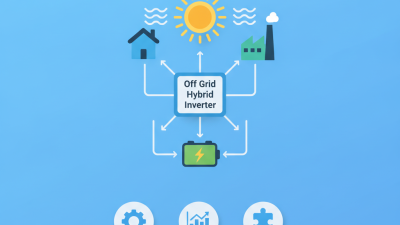
Hybrid Power Inverters cater to diverse needs. They can seamlessly integrate solar energy, grid power, and battery storage. Users can enjoy uninterrupted electricity supply, even during outages. Yet, choosing the right model can be challenging. Buyers face an abundance of options, each claiming unique advantages. It requires careful consideration of technical specifications and brand reliability.
As we explore the best Hybrid Power Inverter solutions, it is essential to focus on both performance and reputation. Many products promise efficiency, but not all deliver. Buyers should seek trusted brands with proven track records. This ensures a reliable investment in energy independence. While the options are vast, a thoughtful approach will lead to the best choice for each specific need.

Overview of Hybrid Power Inverter Technology and Its Benefits
Hybrid power inverters represent a significant advancement in renewable energy technology. They seamlessly integrate multiple energy sources, such as solar and battery storage, into one system. According to a report by the International Renewable Energy Agency (IRENA), the global market for hybrid inverters is expected to grow at a compound annual growth rate (CAGR) of over 20% through 2027. This growth reflects a shift towards more sustainable energy solutions, which is essential as the world grapples with climate change.
The benefits of hybrid power inverters are manifold. They enable improved energy efficiency, reduce electricity costs, and enhance grid stability. A study by Research and Markets indicates that hybrid systems can reduce peak demand by up to 30%, resulting in substantial savings. However, there are potential drawbacks. Initial installation costs can be high, and maintenance requires specialized knowledge. Users must weigh these factors against long-term benefits.
With increasing energy demands and technological advancements, understanding hybrid inverters becomes crucial. While they offer flexibility and reliability, consumers should consider local energy policies and available incentives. Each market presents unique challenges and opportunities. The path to optimal energy solutions is not straightforward, but hybrid inverters may play a pivotal role in achieving sustainable energy goals.
Hybrid Power Inverter Efficiency Comparison
Key Features to Consider When Choosing a Hybrid Power Inverter
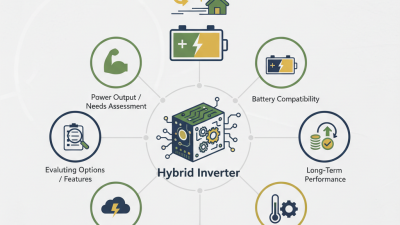
When selecting a hybrid power inverter, several key features warrant close attention. Efficiency is paramount. Studies show that inverters with a high efficiency rating, ideally above 90%, significantly reduce energy loss. Lower efficiency can lead to unnecessary expenditure and heightened operational costs over time. Pay attention to the inverter's power rating as well. Systems must cater to both peak loads and continuous demands.
Battery compatibility is another critical factor. Inverters need to seamlessly integrate with various battery types. The most commonly used batteries are lithium-ion and lead-acid. Each has distinct charging and discharging characteristics, impacting overall performance. Data indicates that proper battery selection can increase system longevity and efficiency by more than 15%.
Monitoring features should not be overlooked. Real-time monitoring enables users to track performance metrics. This fosters informed decision-making regarding energy usage and efficiency improvements. A lack of such features might require frequent manual checks, which can be labor-intensive and unintuitive. Ensuring that your inverter includes advanced monitoring capabilities can enhance user experience and provide better insights.
Top Hybrid Power Inverter Brands and Models for Global Buyers
When exploring hybrid power inverters, it's vital to consider various brands and models that stand out in the market. These devices combine renewable energy sources with conventional power, offering efficiency and sustainability. Many global buyers appreciate inverters that seamlessly switch between sources, ensuring a consistent power supply. Users often seek options that enhance energy management. Factors such as battery compatibility and inverter capacity also play crucial roles in decision-making.
Leading brands typically offer features like real-time monitoring. This functionality allows users to track energy consumption and production easily. Some models come equipped with advanced grid support capabilities. These ensure stability during peak demands or grid outages. It’s worth noting that the learning curve can be steep for some users. Understanding the operational intricacies may require guidance or trial and error.
Inverters differ significantly in performance and reliability. Buyers need to evaluate the specifics before committing. Noise levels can vary, impacting user experience. Real-world reviews often highlight the importance of customer support—especially for troubleshooting. While many options are available, finding the right fit requires research and careful consideration of all unique energy needs.
Cost Analysis: Investment vs. Savings in Hybrid Power Inverters
The investment in hybrid power inverters can be significant, yet the long-term savings are often substantial. A recent report from the International Energy Agency indicates that the global market for hybrid inverters is expected to grow by over 15% annually, underscoring their increasing financial relevance. Initial costs may range between $1,500 to $3,000, depending on capacity and features. Often, buyers may hesitate due to high upfront prices, but the potential savings on electricity bills can offset these costs over time.
One critical aspect to consider is installing energy management systems. Such systems can enhance inverter efficiency and further reduce energy expenses. A study from the U.S. Department of Energy reveals that homes utilizing advanced management tools can save an additional 10-15% on energy costs. Users should evaluate how their energy needs align with inverter capabilities before committing.
Understanding your specific energy usage is essential. It allows better customization of your hybrid inverter system. Research from the National Renewable Energy Laboratory highlights the importance of matching inverter types with energy patterns for maximum return on investment. While the savings may not be instantaneous, tracking progress over time shows a clear trend towards reduced energy expenses. Your approach should prioritize informed decision-making, balancing initial investment with long-term savings effectively.
Installation and Maintenance Tips for Optimal Performance of Inverters
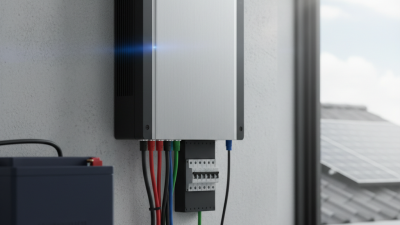
Selecting the right hybrid power inverter for your needs takes more than just product features. Installation and maintenance play crucial roles in ensuring optimal performance. According to the International Energy Agency, improper installation can reduce the efficiency of inverters by up to 30%. Ensure that the inverter is positioned away from heat sources and moisture to prevent performance issues. Correctly sizing the inverter according to system requirements also significantly enhances overall effectiveness.
Regular maintenance is essential. Check the inverter's ventilation system regularly. Dust and debris can accumulate, leading to overheating. A clean inverter operates more effectively and has a longer lifespan. Monitoring performance data can also provide insights into potential issues. Reports by the U.S. Department of Energy indicate that regular checks can identify inefficiencies early, preventing costly repairs.
Wind and solar power integration often leads to unpredictable energy output. Inverters must adapt to these changes. Review your inverter settings regularly. Updating software and firmware can enhance functionality. Always consult technical documentation for the latest recommendations on maintaining your inverter system.