Top Off Grid Hybrid Inverter Solutions for Global Buyers?
In recent years, the demand for Off Grid Hybrid Inverters has surged globally. Industry expert Mark Johnson states, “The future of energy independence lies in innovative inverter solutions.” These devices provide a unique blend of solar power and battery storage, enabling users to harness renewable energy efficiently.
Off Grid Hybrid Inverters are not just technical products; they symbolize a shift toward sustainable living. For homeowners and businesses alike, they offer flexibility and reliability in energy use. However, navigating this market can be challenging. Buyers must consider various factors such as capacity, efficiency, and compatibility with existing systems.
As alternative energy solutions evolve, so do consumer needs. While Off Grid Hybrid Inverters hold great promise, it's crucial to ensure the right fit for individual circumstances. The continuous development in this field indicates a bright future, yet it requires careful consideration and informed decision-making.
Overview of Off Grid Hybrid Inverter Technology
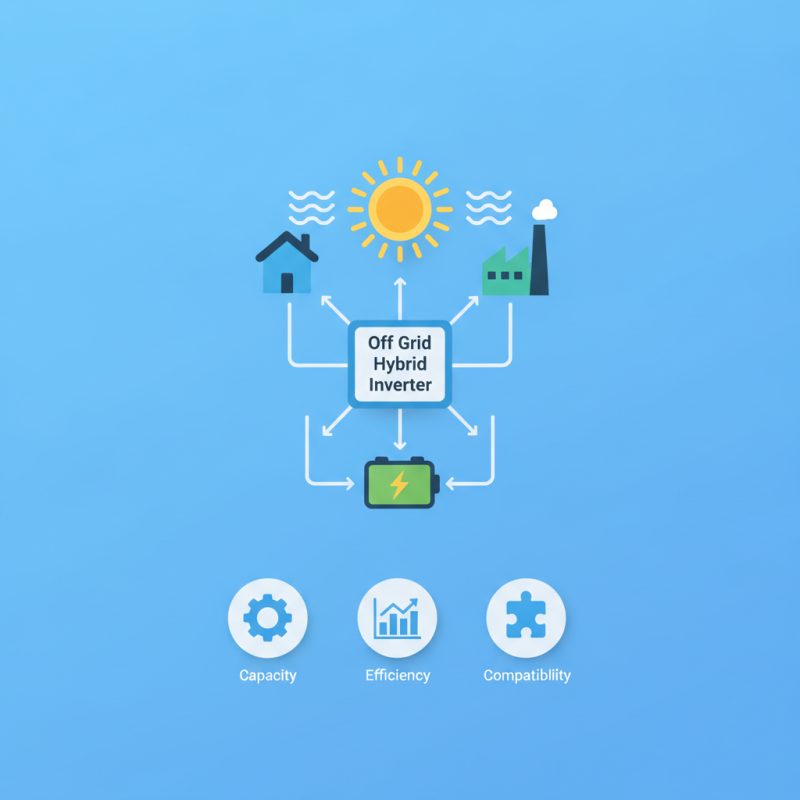
Off-grid hybrid inverter technology represents a crucial innovation for sustainable energy solutions. These inverters combine various power sources, such as solar, wind, and battery storage, to provide a steady energy supply. This versatility is particularly valuable in remote areas where traditional grid access is limited or unavailable. Users can harness renewable energy while reducing dependency on fossil fuels.
While the technology has advanced, there are challenges. Efficiency can vary based on environmental conditions. Sizing the system incorrectly may lead to energy shortages or waste. Users should consider their specific energy needs carefully. Optimization requires a deep understanding of local weather patterns, energy consumption, and system tolerances.
Reliability is paramount in hybrid systems. Fluctuations in energy input can impact performance. Some systems may struggle with high demand during peak hours. This variability highlights the importance of regular maintenance and monitoring. Users must stay informed about technology updates and best practices for performance enhancement.
Key Features to Look for in Hybrid Inverters
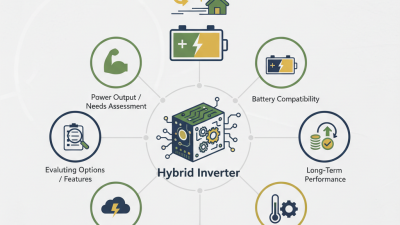
When choosing hybrid inverters, certain key features become paramount. Efficiency is crucial. Look for inverters that offer high energy conversion rates. This ensures that most of the solar energy captured is used effectively. A model with a 90% efficiency rating is solid. But there are better options to consider.
Battery compatibility is another important aspect. Not all inverters work seamlessly with every battery type. Check if the inverter can handle lithium-ion batteries or lead-acid ones. Knowing what types of batteries you plan to use can save you from a mismatch later.
Monitoring capabilities are vital for performance. Many modern inverters provide real-time data tracking via apps. This feature allows users to monitor energy production and consumption. However, not all devices are user-friendly. Some with complex interfaces can create unnecessary confusion. Choosing a model with clear visual data representation is critical. Prioritize inverters that enable easy updates as technology evolves.
Top Brands Offering Innovative Hybrid Inverter Solutions
When considering hybrid inverters, innovation is key. Many leading manufacturers prioritize efficiency and user experience. Their designs integrate advanced technologies for improved performance. These inverters typically feature seamless transitions between grid and off-grid modes. This adaptability is vital for diverse energy needs.
The market now showcases brands that focus on durability and reliability. For example, robust construction materials enhance product longevity. Moreover, intuitive user interfaces simplify operation for consumers of all levels. Some brands even offer real-time monitoring. This transparency empowers users with more control over energy use.
However, not all solutions work for everyone. Consumers must evaluate their unique energy demands. Some brands may excel in one area but fall short in another. Conducting thorough research is essential. Understanding specific features enables informed decisions, leading to sustainable energy solutions.
Comparative Analysis of Leading Off Grid Hybrid Inverters
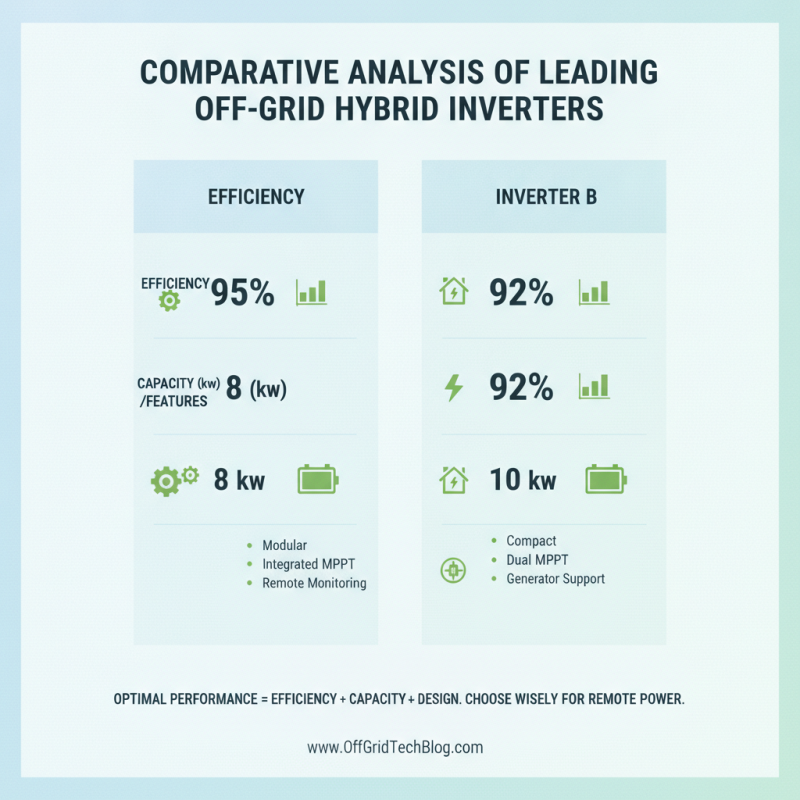
When selecting off-grid hybrid inverters, understanding their features is crucial. These devices combine energy storage and renewable sources efficiently. They support solar panels and battery systems, making them ideal for remote areas. Evaluating their efficiency, capacity, and design is essential for optimal performance.
Consider power output levels. Some inverters handle larger loads. Others might be more compact but are limited in capacity. Assessing the system's energy needs ensures you select the right model. Features like battery management and monitoring interfaces can enhance usability. These may affect your overall experience with the device.
**Tips:** Look for inverters with comprehensive warranties. Longevity matters. Research and read user reviews for real-world insights. When considering costs, don’t forget about installation. A well-installed system can significantly impact energy savings.
Most off-grid systems lack perfect reliability. Unexpected outages can occur, even with advanced technology. Regular maintenance and updates are necessary to optimize performance. Users should be prepared for troubleshooting during these times. Fuel reliability and environmental factors should also guide your choices.
Considerations for Global Buyers When Choosing an Inverter
When selecting a hybrid inverter for off-grid solutions, buyers should focus on a few critical factors.
The efficiency rating is paramount.
Inverters generally have efficiency rates ranging from 85% to 95%. A higher efficiency means more energy conversion from DC to AC, which translates to lower energy waste and higher performance in real-life applications. Choosing an inverter with at least a 90% efficiency can significantly benefit overall energy usage, especially in remote locations.
Another vital consideration is the inverter's power capacity. Assess your energy needs. For an average household, daily energy consumption can range from 5 to 30 kWh. Select an inverter that can handle peak loads effectively. Some reports state that 60% of users experienced system failures due to underestimation of peak loads. Understanding your energy requirements ensures continuous power supply, even during high-demand periods.
Durability is also crucial. Look for inverters with robust build quality. Off-grid conditions can be harsh. Inverters need to withstand extreme temperatures and humidity. According to industry data, about 20% of inverters fail prematurely due to poor environmental resistance. Investing in a durable model can minimize maintenance and replacement costs in the long run.