Pure Wave Inverter Benefits Tips for Global Buyers
As the world moves towards sustainable energy solutions, the importance of technology like the Pure Wave Inverter cannot be overstated. This device, which converts DC power to AC power, offers stable voltage and minimizes electrical noise. Global buyers looking for reliable energy solutions must understand its benefits.
Not every inverter on the market meets the high standards of the Pure Wave Inverter. Many alternatives may lead to inefficient power usage. Users often overlook the importance of power quality. In reality, choosing the right inverter can impact everything from appliance performance to energy savings. Investing in a Pure Wave Inverter is a conscious decision for efficiency.
While the benefits are clear, potential buyers should consider various factors before purchase. Not all products are created equal. It's crucial to research reputable brands and their warranties. This approach helps ensure that customers make informed decisions, avoiding products that may not deliver as promised. A thoughtful evaluation can prevent future regrets in an increasingly complex energy landscape.

Understanding Pure Wave Inverters and Their Advantages
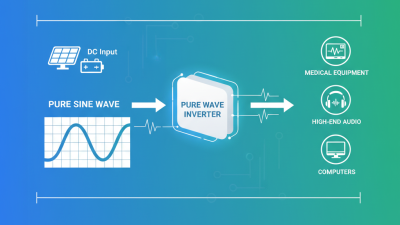
Pure wave inverters are increasingly popular among global buyers for several reasons. They provide high-quality, clean power that closely resembles the electricity from the grid. This pure sine wave output is crucial for sensitive electronic devices. Many users report fewer issues with equipment malfunction when they switch to pure wave inverters.
One significant advantage is efficiency. These inverters can convert more power with less energy loss. Users appreciate this, especially when they rely on off-grid solutions. However, the initial investment can be higher than non-pure wave inverters. Potential buyers should weigh the long-term benefits against upfront costs. Some customers find themselves needing to reconsider their choices after observing the performance in real-life situations.
Moreover, the reliability of pure wave inverters plays a vital role. They often have longer lifespans and require less maintenance. This reliability can be critical for those living in remote areas. Yet, some users may encounter compatibility issues with certain appliances. It's important to research and ensure that your devices will work well with the inverter chosen. Understanding these factors will help guide informed decisions in the purchasing process.
Benefits of Pure Wave Inverters
This chart illustrates the benefits of pure wave inverters across different dimensions, showcasing their efficiency, noise level, voltage stability, total harmonic distortion, and cost-effectiveness. The values reflect the advantages of using pure wave inverters, making them a favorable choice for global buyers.
Key Benefits of Using Pure Wave Inverters for Various Applications
Pure wave inverters have gained popularity for a variety of applications due to their distinct advantages. These devices provide a clean and stable power output, making them ideal for sensitive electronics such as medical devices and high-end audio equipment. Unlike modified sine wave inverters, pure wave inverters produce a smooth waveform, ensuring that appliances function efficiently and without interference.
In addition, pure wave inverters offer greater energy efficiency. This characteristic is particularly beneficial in renewable energy systems, where every watt counts. Homeowners using solar panels can maximize their energy harvest and minimize losses. However, not all pure wave inverters are created equal; quality and specifications can vary significantly. Buyers should pay attention to details like efficiency ratings and peak load capabilities.
Despite the clear benefits, some may hesitate due to the higher initial cost. While upfront expenses can be daunting, the long-term savings on energy bills often justify the investment. It's essential to research and compare options, as this process can reveal both strengths and weaknesses in various models. Understanding these aspects helps ensure a worthwhile purchase for your specific needs.
Tips for Selecting the Right Pure Wave Inverter for Your Needs
When selecting a pure wave inverter, start by assessing your power needs. Consider how many devices you will connect and their power consumption. Understanding these factors helps narrow your options significantly. If you have high-demand gadgets, a powerful inverter is essential. It’s also wise to check the inverter's output capacity.
Next, evaluate the inverter's efficiency rating. A higher efficiency means less wasted energy. Look for models that boast at least 90% efficiency. Pay attention to the wave output as well. Pure wave inverters produce cleaner power than modified ones, ensuring longer device life.
Don’t overlook the inverter's size and portability. If you plan to use it in different locations, weight matters. Consider battery compatibility too. Some inverters work better with specific battery types. It’s not always straightforward, though. Each user’s situation can lead to different challenges and discoveries. Making a choice requires careful consideration and sometimes trial and error.
Factors Affecting the Performance of Pure Wave Inverters
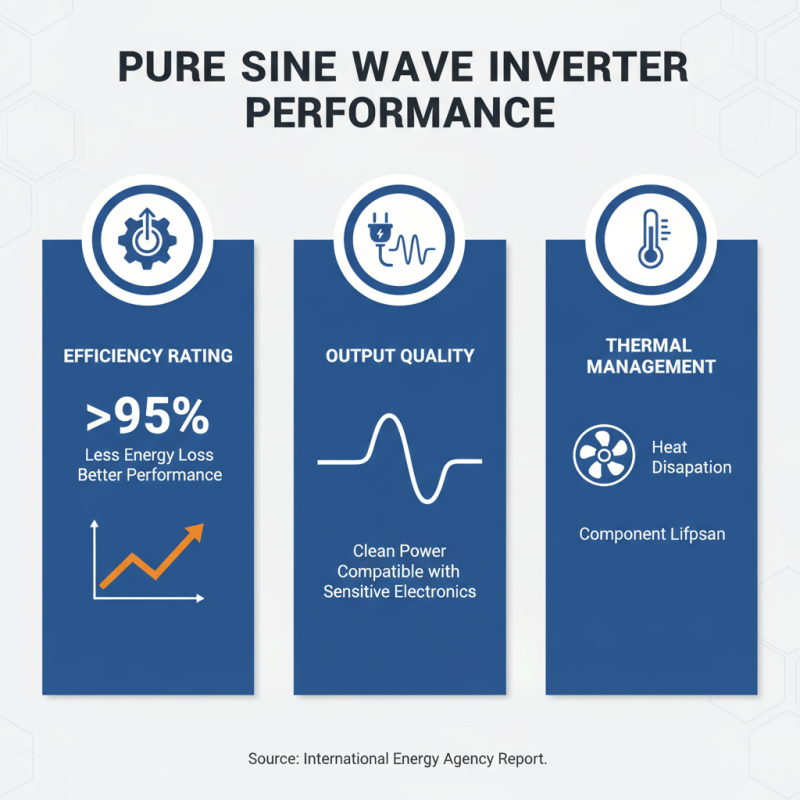
When considering pure wave inverters, several factors can greatly impact their performance. Efficiency ratings are crucial. According to a report by the International Energy Agency, high-quality inverters can have an efficiency rate of over 95%. This means minimal energy loss during conversion, leading to better overall performance. However, not all inverters reach this benchmark.
Temperature affects inverter performance significantly. As ambient temperatures rise, inverter efficiency can drop. The same report highlights this issue, noting that temperature fluctuations can reduce output by up to 10%. Buyers should pay attention to the thermal management systems of inverters to ensure optimal performance in varying conditions.
Installation quality also cannot be overlooked. Poor installation can result in voltage drop and overheating. According to industry experts, a significant number of inverter failures stem from improper connections. For those looking to invest in pure wave inverters, seeking professional installation is vital to avoid common pitfalls. Ensuring that all components are optimized can lead to a smoother operation and higher reliability.
Global Market Trends in Pure Wave Inverter Technology and Sales
The global market for pure wave inverters has seen significant growth. As renewable energy becomes a priority, these devices have gained prominence. They provide a cleaner, more stable power output, making them ideal for sensitive electronics. Consumers increasingly seek reliability in their energy systems. This trend reflects a broader shift towards sustainable practices.
Sales of pure wave inverters are driven by increased awareness of energy efficiency. Many buyers appreciate the advantages of solar applications. These inverters can optimize solar panel performance, helping users save on energy costs. This understanding empowers buyers to make informed choices. However, the complexity of available options can be overwhelming.
Buyers must navigate various features and specifications. Many are unsure about the compatibility with their existing systems. It’s essential to consider wattage and peak power ratings. Engaging with reviews can provide insight but may also lead to confusion. The market is evolving, presenting opportunities and challenges. Each choice impacts performance and costs. Understanding these factors aids in making the right decision.