Top 10 Benefits of 120 240 Split Phase Inverter for Buyers
The demand for efficient energy solutions has grown significantly in recent years. With increasing electricity costs and environmental concerns, buyers seek sustainable options. One effective solution is the 120 240 Split Phase Inverter. This technology transforms electricity for residential use, effectively managing energy consumption.
According to industry reports, the market for inverters is projected to reach $15 billion by 2025. The 120 240 Split Phase Inverter stands out in its ability to improve energy efficiency. It allows seamless integration with solar power systems, catering to a growing number of eco-conscious consumers. As more households adopt renewable energy solutions, understanding the advantages of these inverters becomes crucial.
Many buyers are still unaware of the specific benefits that a 120 240 Split Phase Inverter can offer. While some might question the upfront costs, the long-term savings and advantages often outweigh initial investments. Exploring these benefits carefully can lead to informed decisions that enhance energy efficiency and reduce reliance on traditional power sources.
What is a 120/240 Split Phase Inverter?
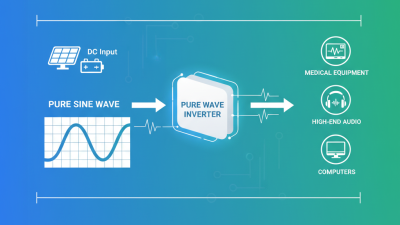
A 120/240 split phase inverter serves an essential purpose in converting DC power to AC power. This system is particularly prevalent in residential settings across North America. Many homes operate on a split-phase power system, which allows for different voltage levels. The inverter effectively manages and redistributes this power for various household appliances.
Statistics show that over 65% of homes utilize split-phase systems. This specific inverter allows for efficient energy use, making it a reliable choice for homeowners. It can support larger appliances like dryers and water heaters, providing the necessary power without overloading. This means increased efficiency and reduced energy costs, as users can effectively balance their electric loads.
Tips: When choosing an inverter, consider the power ratings of your appliances. Ensure the inverter can handle peak loads. Additionally, though split-phase inverters are efficient, they still depend on battery storage for optimal performance. Reflect on your energy consumption patterns, as they directly influence inverter selection.
Even with advancements, users often overlook installation intricacies. Proper installation is crucial for long-term reliability. A poorly set-up system can lead to inefficiencies or even damage appliances. Regular maintenance can prevent many of these issues. Empower yourself with knowledge about your system for better outcomes.
Top 10 Benefits of 120/240 Split Phase Inverter
| Benefit |
Description |
| High Efficiency |
Maximizes energy conversion with minimal losses, ensuring more power is available for use. |
| Versatile Application |
Suitable for residential, commercial, and small industrial uses, providing flexibility in deployment. |
| Improved Power Quality |
Delivers stable voltage and frequency, reducing the risk of damage to appliances. |
| Reduced Installation Costs |
Easier and less expensive installation compared to other systems, saving upfront costs. |
| Flexible Sizing |
Available in various sizes, making it easy to choose a solution matching specific power needs. |
| Enhanced Safety Features |
Incorporates built-in protections against overloads and short circuits, ensuring user safety. |
| Battery Backup Capability |
Can integrate with battery storage systems, providing power during outages and peak demand periods. |
| Smart Monitoring |
Equipped with monitoring tools for real-time tracking of energy production and consumption. |
| Environmental Benefits |
Utilizes renewable energy sources, contributing to reduced carbon emissions and environmental impact. |
| Increased Property Value |
Installation of an inverter system can enhance overall property value, making it an attractive investment. |
Understanding the Functionality of Split Phase Inverters
Split phase inverters play a crucial role in modern energy solutions. They allow effective conversion of DC power to AC power for residential and commercial uses. According to the U.S. Department of Energy, integrating split phase inverters can increase energy efficiency by up to 20%. This efficiency advantage can reduce electricity costs significantly over time.
These inverters function by dividing incoming power into two phases—120V and 240V. This flexibility enables varied appliance operation simultaneously. For instance, high-power devices like electric dryers require 240V, while standard outlets typically supply 120V. The ability to manage both voltage levels leads to a more efficient distribution of energy, facilitating a balanced load across circuits.
However, some users may overlook the installation nuances associated with split phase systems. Proper sizing and compatibility with existing electrical setups are crucial. Poor installation can negate efficiency gains, leading to higher operational costs and potential safety risks. Addressing these concerns through professional assessment can greatly enhance inverter functionality and safety. The adoption of split phase inverters is on the rise, reflecting a growing recognition of their benefits, but users must remain vigilant and informed.
Key Advantages of Using 120/240 Split Phase Inverters
In today’s world, efficient energy solutions are paramount. The 120/240 split phase inverter offers numerous advantages for homeowners and businesses alike. One significant benefit is the ability to support large appliances. These inverters deliver a balanced power supply, ideal for heavy machines like HVAC systems and washing machines.
Another key advantage is flexibility. They enable users to switch between single-phase and split-phase power. This versatility makes them suitable for a variety of applications, from residential homes to commercial buildings. According to a report by the National Renewable Energy Laboratory, split-phase solutions can enhance energy efficiency by up to 30%.
Tips: Consider your power needs before purchase. Evaluate if you require heavy-duty appliances. Assessing your total load can prevent future inconveniences. Always consult with a professional to ensure your inverter meets code requirements. Doing this can save you from unforeseen issues down the line, especially during a power failure.
Not all installations go smoothly. Some users report unexpected peaks in power demand. It’s crucial to monitor consumption regularly. An efficient inverter can still experience challenges during peak times. Learning from past experiences can help refine your setup and improve overall performance.
Top 10 Benefits of 120/240 Split Phase Inverter
This bar chart displays the top 10 benefits of using a 120/240 split phase inverter, highlighting their key advantages for buyers.
Cost Savings and Energy Efficiency with Split Phase Systems
Split phase inverters offer significant cost savings and energy efficiency for modern homeowners. They convert DC power from renewable sources into usable AC power. By utilizing a 120/240 split phase system, users can efficiently power both low-voltage and high-voltage appliances. This flexibility helps in reducing energy wastage, which is often overlooked.
One critical aspect involves proper sizing of the inverter. An under or oversized inverter can lead to inefficiencies. It's vital to evaluate your energy needs carefully. Monitor your energy consumption for a month. This helps determine the best inverter size for your home.
Another tip is to leverage net metering benefits. Many utility companies provide credits for excess energy produced. It’s a chance to reduce costs further. Keep track of how much energy your system generates versus what you consume. This will help identify any potential improvements in your energy setup.
Investing in a split phase inverter means long-term savings. The initial investment may seem high but consider the cumulative savings. You might be surprised at how quickly the costs add up. It’s worth exploring all potential benefits before making a purchasing decision.
Applications and Use Cases for 120/240 Split Phase Inverters
The 120/240 split phase inverter serves diverse applications in residential and commercial sectors. It efficiently converts direct current (DC) to alternating current (AC), offering distinct advantages in various settings. According to the U.S. Department of Energy, about 70% of U.S. homes rely on split-phase power systems, making these inverters crucial in households that use both 120V and 240V appliances.
In practical terms, these inverters enable seamless integration of solar energy systems. Homeowners utilize them for powering high-demand appliances like dryers and refrigerators. A report by the National Renewable Energy Laboratory indicates that solar installations using split phase systems can increase energy efficiency by 20%. Moreover, they support heating systems and electric vehicle chargers, amplifying their versatility. However, users should consider potential installation challenges and ensure compatibility with existing electrical setups.
In commercial applications, these inverters can be integrated into backup power systems. They offer reliability during outages, a growing concern among businesses. An estimate from the International Energy Agency highlights that businesses experience power outages costing an average of $150,000 yearly. Such inefficiencies underline the importance of using split phase inverters to guarantee energy stability. While the benefits are significant, there remains a need for careful planning to maximize their potential.