Top Waterproof Lithium Battery Suppliers for Global Buyers?
Choosing a Waterproof Lithium Battery supplier is not just a price comparison. A battery may face rain, washdown spray, condensation, or brief submersion, and each condition demands different protection. “Waterproof” alone is not a complete specification. Buyers should check the stated IP rating, test conditions, enclosure design, and connector protection before comparing quotes.
Details matter. A sealed case can still fail at a cable gland or cover seam. Ask suppliers for current test reports, cell specifications, production quality controls, and clear warranty terms. Confirm that capacity, voltage, operating temperature, and expected service life fit the equipment. A sample tested in the real installation can reveal problems that a product sheet misses. It may take extra time.
For global buyers, documentation and support deserve equal attention. Check whether the supplier can provide consistent batch records, technical responses, and packaging details for the intended destination. Certification needs can vary by product and market, so verify applicable requirements with qualified local professionals. No single supplier suits every project. The strongest shortlist balances proven protection, transparent evidence, dependable communication, and realistic lead times. Some specifications remain unclear until samples arrive; that is a reason to ask better questions, not to assume the risk has disappeared.
Understanding Waterproof Lithium Batteries and Their Applications
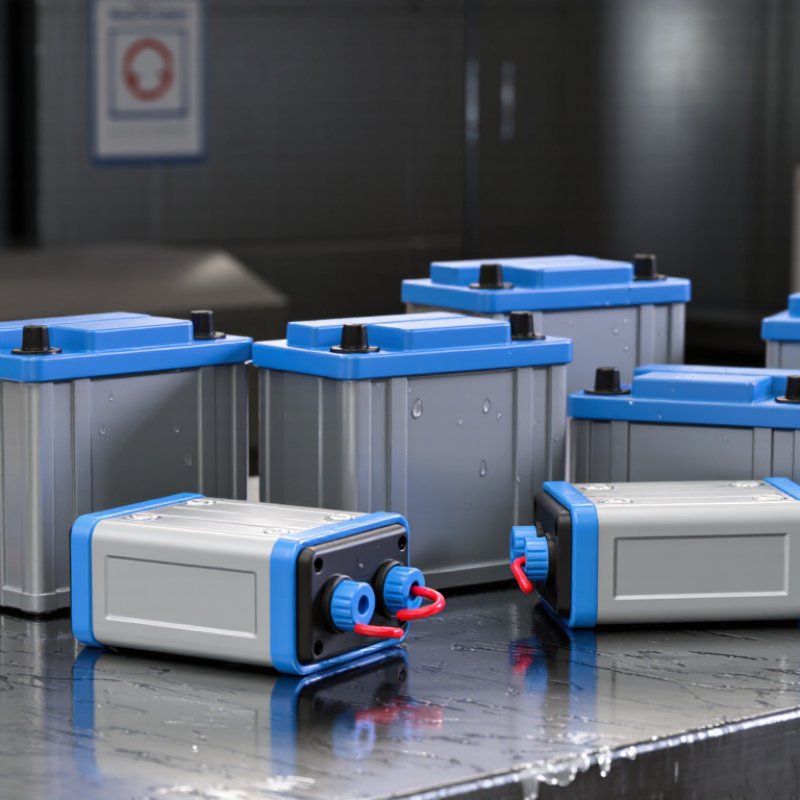
Waterproof lithium batteries use sealed housings, gaskets, and protected connectors to reduce water and dust ingress. “Waterproof” does not mean invulnerable. An IP rating describes performance under specific tests, not every real-world exposure. For example, a battery on a fishing boat may face spray, vibration, and salt corrosion at once. Seals can also wear down over time.
These protections matter as batteries move into vehicles, marine equipment, outdoor power systems, and energy storage. The International Energy Agency reported nearly 14 million electric-car sales in 2023, about 18% of global car sales, in its Global EV Outlook 2024. Its Batteries and Secure Energy Transitions report noted that battery-storage additions reached about 42 GW in 2023, more than 130% above 2022. More installations mean more equipment operating outdoors or in demanding environments.
Buyers should match enclosure protection to the actual exposure: rain, temporary immersion, washdown, or salt spray. Check connector sealing, drainage, operating temperature, and the manufacturer’s test conditions—not just the headline IP code. Maintenance matters, too. A cracked cable gland can undermine an otherwise well-sealed case. One practical limitation: an ingress rating alone does not establish battery safety, service life, or performance after repeated exposure.
Waterproof Ratings, Certifications, and Performance Requirements
For global buyers, a waterproof rating is a test result, not a promise for every working condition. IP67 indicates dust protection and temporary immersion under defined laboratory conditions, typically up to one meter for 30 minutes. IPX8 covers deeper or longer immersion, but the test conditions must be specified. Details matter. Check whether the rating applies to the complete battery pack, including its connectors, cable exits, and enclosure seams.
Certifications should match the battery’s intended application and destination market. Ask suppliers for current test reports, certificate numbers, and the exact model or configuration covered. A report for one enclosure may not cover a revised design. For performance, request data on operating temperature, discharge limits, cycle life, and vibration testing. Salt spray, pressure changes, and repeated opening can also affect seals. Real use is messier than a lab test, and that gap deserves attention.
Tips: Ask how waterproof performance is verified after aging or vibration tests. Confirm the immersion depth and duration in writing. Inspect sealing surfaces and connector caps on a sample unit, not just in product photos.
How to Evaluate Lithium Battery Suppliers for Global Procurement
A waterproof rating is only meaningful when the test conditions match the battery’s real use. Ask suppliers for the enclosure’s IP rating, test reports, and details about cable exits, seals, and connectors. A sample should be checked as a complete assembly, not just as a sealed case. Ask for evidence.
For global procurement, compare cell traceability, battery management system protections, stated capacity, and cycle-life test methods. Request documentation for safety and transport requirements in your destination markets, then confirm that it applies to the exact model being quoted. A polished certificate pack is reassuring, but it does not prove that production units match the tested sample. This detail is easy to miss.
Supplier audits and clear quality records can reveal how defects are handled, how batches are tracked, and whether inspection results are shared consistently. Ask what happens if a shipment fails an agreed test, and get acceptance criteria in writing. No checklist removes all uncertainty. Even a careful review can leave unanswered questions about performance after years of exposure, so factor realistic operating conditions and follow-up testing into the purchasing plan.
Top Waterproof Lithium Battery Suppliers for Global Buyers
A practical reference for evaluating water-jet protection claims during global procurement
IEC 60529 specifies nominal water flow rates of 12.5 L/min for the IPX5 jet test and 100 L/min for the IPX6 jet test. These ratings describe enclosure protection under defined test conditions; they do not, by themselves, establish battery safety or certify every battery configuration. Ask suppliers for test reports covering the exact assembled battery, including its enclosure, connectors, and cable entries.
Comparing Supplier Capabilities, Customization, and Support
Choosing a waterproof lithium battery supplier means looking beyond the enclosure rating. Ask how the complete assembly was tested, including connectors, cable exits, and seals. A rating alone may not reflect the conditions your equipment will face. Request test details. Details matter.
Customization should match the device, not just its voltage and capacity. Discuss pack dimensions, discharge needs, battery management features, wiring, and communication protocols before requesting a quote. Ask whether the supplier can provide a sample built to your specifications. Check how changes affect lead time and minimum order quantities. Small design revisions can shift both.
Support becomes especially important after installation. Confirm who handles technical questions, what fault information they need, and whether replacement components are available. Clear documentation should identify charging limits, operating temperatures, and connector pinouts. Response times are worth discussing, too. Not always easy. Some buyers focus on price and overlook service details until a pack behaves differently in cold weather or a seal needs inspection. A careful supplier should explain limitations plainly, rather than promise a fit for every environment.
Key Steps for Verifying and Selecting a Global Supplier
Verify the exact battery model, not just the supplier’s general product range. Request an IP test report showing the tested enclosure, connectors, and cable entries. IEC 60529 defines the IP rating system; an IP67 result, for example, applies under specified test conditions, not every real-world exposure. Ask whether samples were tested after vibration, temperature cycling, or seal aging. Check the evidence. Compare the report number, model label, and production specification. They should match.
Review production controls and shipment records before placing a large order. The IEA’s Global EV Outlook 2024 reports that energy-sector battery demand reached 750 GWh in 2023, rising about 40% year over year. That scale makes traceability and consistent production especially important, but market growth does not prove a supplier is reliable. Request cell-lot records, capacity and cycle-life test conditions, warranty terms, and documented change-control procedures. For transport, ask for the applicable UN 38.3 test summary and confirm that the documents identify the shipped battery type. Evaluate a production-representative sample in realistic conditions, including splashes around seams and connectors. Paperwork can look perfect; field performance may still disappoint. A small pilot order can reveal delays, inconsistent labeling, or slow technical support before they affect a larger shipment.