Top 5 Tips for Choosing a 48V Lifepo4 Server Rack Battery?
Choosing the right battery for your server rack can be daunting. A 48V Lifepo4 Server Rack Battery stands out due to its efficiency and longevity. It’s essential to understand its unique benefits and challenges. With advances in battery technology, these batteries offer energy stability and longer lifespans, but they are not without their complexities.
When selecting a 48V Lifepo4 Server Rack Battery, consider factors like capacity, size, and compatibility. A battery's capacity directly affects performance and downtime. Additionally, you may find that certain brands offer features not available in others. Availability can be an issue. Stock levels vary, which may lead to impulsive decisions. It's vital to research and weigh your options carefully.
Understanding these elements can prevent costly mistakes. A poorly chosen battery could result in inefficiencies and frequent maintenance. Always look for reliable sources and expert reviews. This can guide you through the various brands and models. A well-informed decision ensures your server operates smoothly and effectively, maximizing your investment in technology.
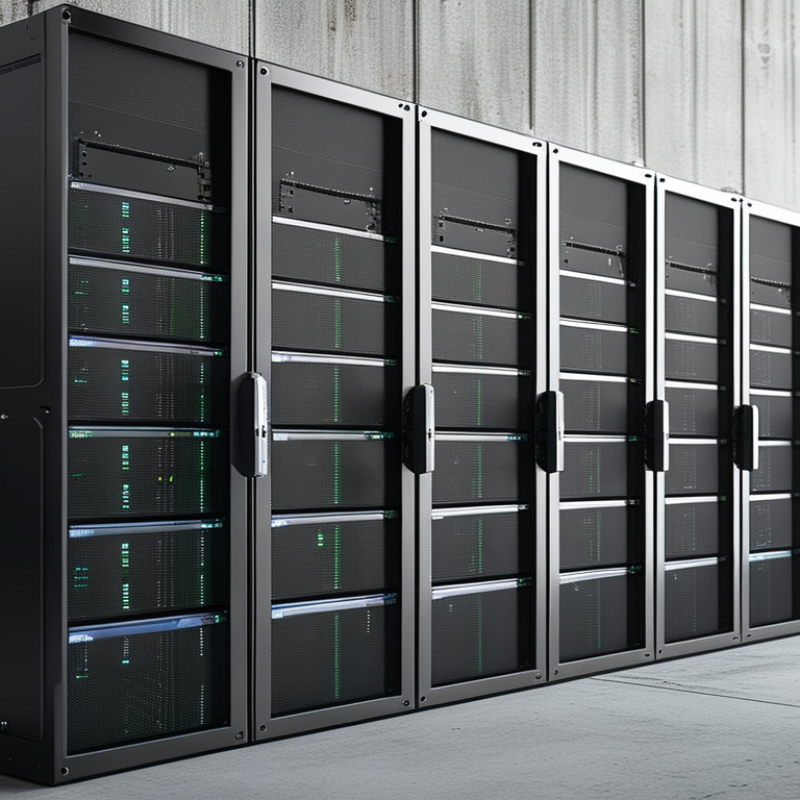
Understanding the Basics of 48V Lifepo4 Server Rack Batteries
When it comes to 48V Lifepo4 server rack batteries, understanding the basics is essential. These batteries are popular for their stability and longevity. They provide a reliable energy source for various server operations. The Lifepo4 chemistry offers safety benefits that appeal to many users. They do not overheat easily, which is a significant concern in server environments.
The capacity and cycle life of these batteries are crucial aspects to consider. Lifepo4 batteries can handle numerous charge cycles without significant degradation. This is particularly beneficial for long-term investments in server infrastructure. However, one must acknowledge that not all installations will meet ideal conditions. Factors such as temperature fluctuations can affect performance. Users often overlook these nuances, leading to unexpected issues.
Battery management systems (BMS) are vital for ensuring optimal performance. A good BMS helps monitor the battery’s state and protects against overcharging. Still, reliance on technology can occasionally backfire if not properly maintained. Users should regularly inspect their systems and adjust settings when needed. Being aware of these intricacies allows for better decision-making and optimized energy use.
Key Factors to Consider When Choosing a Battery Capacity
When selecting a 48V Lifepo4 server rack battery, understanding battery capacity is crucial. The capacity is often measured in ampere-hours (Ah) and dictates how long the battery can power your system. A recent industry report indicates that batteries with higher capacities provide more reliability in critical situations. For high-demand environments, a capacity between 100Ah to 200Ah is typically recommended. This range can ensure adequate power for servers and related components.
Another factor to consider is the discharge rate. A battery may have a high capacity, but if it cannot discharge at a suitable rate, performance can suffer. For instance, a server may require bursts of energy that standard batteries cannot deliver. It's essential to ensure that the battery's discharge rate matches your system's needs to avoid underperformance during peak times. Always refer to specifications and performance tests from credible sources to make informed decisions.
While it's tempting to opt for the largest capacity, balance must be maintained between capacity and size. Larger batteries can be heavier and take up more space in server racks. Analyze your rack's physical dimensions and weight limits carefully. Additionally, consider how your power needs may evolve over time. Future scalability should also be part of your decision-making process, as technology demands constantly change.
Comparing Lifepo4 with Other Battery Chemistries for Server Racks
When selecting a battery for server racks, Lifepo4 presents a distinct choice. Compared to lead-acid and traditional lithium-ion batteries, Lifepo4 batteries offer improved safety and thermal stability. Their chemistry allows for deeper discharges without significant degradation, making them more reliable for critical applications. Users often report reduced maintenance and longer lifespans, translating into cost-effectiveness over time.
However, Lifepo4 is not without its considerations. Initial costs can be higher than other chemistries, like lead-acid. Their performance in extreme temperatures may also vary. Users must assess their specific needs and environments before settling on Lifepo4. The utility of older battery types should not be dismissed, especially in simpler setups. Careful evaluation and informed choices are key to achieving optimal performance and safety.
Comparison of Battery Chemistries for Server Racks
Evaluating the Importance of Cycle Life and Warranty in Your Choice
When selecting a 48V LiFePO4 server rack battery, cycle life is crucial. A battery’s cycle life indicates how many complete charge and discharge cycles it can undergo before its capacity significantly declines. Research shows that LiFePO4 batteries can endure 2000 to 5000 cycles under optimal conditions. This means your investment could last for many years, making cycle life an essential factor in your decision process.
Warranty is another critical aspect to consider. An extended warranty often reflects the manufacturer’s confidence in their product quality. Most reputable manufacturers provide warranties ranging from 5 to 10 years, emphasizing reliability. A comprehensive warranty may also cover specific conditions that can impact battery longevity. Real-world data from industry reports suggest that batteries with a short warranty often perform poorly, leading to premature replacements.
It’s vital to note that not all claims match reality. Many users find discrepancies between advertised and actual cycle life. Claims can sometimes be distorted. Evaluating real user experiences, alongside manufacturer specifications, will give you a clearer picture. Always seek certified test reports or user testimonials to validate the lifespan and reliability of your chosen battery.
Assessing Safety Features and Certifications for Lithium Batteries
When choosing a 48V Lifepo4 server rack battery, safety features and certifications are paramount. The battery's design must meet rigorous standards. Look for certifications like UL, IEC, and CE. These indicators help consumers assess the safety and reliability of lithium batteries. According to a recent report from Battery Safety Solutions, improper handling of batteries leads to over 20% of incidents in the industry.
Thermal runaway is a significant concern. A well-designed battery will include features that prevent overheating. A study by the National Renewable Energy Laboratory indicates that proper thermal management systems can reduce risks by up to 30%. Additionally, built-in battery management systems (BMS) are critical. They monitor voltage, current, and temperature, ensuring battery health and preventing failures.
Evaluate data on failure rates and incident reports from reliable sources. For example, the Institute of Electrical and Electronics Engineers (IEEE) highlights the need for better standards to reduce incidents in lithium-ion battery safety. Choosing a battery with proven safety records and effective certifications is essential for long-term use in critical applications. Remember, safety should never be compromised in pursuit of higher capacity or lower costs.
Top 5 Tips for Choosing a 48V Lifepo4 Server Rack Battery
| Feature |
Importance |
Recommendations |
Certification Standards |
| Safety Features |
High |
Look for thermal runaway protection, BMS (Battery Management System) |
UL 1973, UL 9540 |
| Cycle Life |
Medium |
Choose batteries with higher cycle life for longevity |
ISO 9001 |
| Capacity Ratings |
High |
Select a battery that meets or exceeds your power requirements |
CE, RoHS |
| Temperature Range |
Medium |
Consider batteries that operate well in your environment |
IEC 62133 |
| Warranty |
High |
Opt for longer warranty periods for reliability |
N/A |