Top 10 Inverter and Lithium Battery Benefits for Home Use?
The growing demand for efficient energy solutions has propelled the popularity of inverter and lithium battery systems for home use. A report by the International Energy Agency indicates that global battery storage capacity is expected to reach 200 GWh by 2024. This surge highlights the importance of alternatives to traditional energy sources.
Inverter and lithium battery systems provide numerous benefits. They enhance energy efficiency, reduce electricity bills, and contribute to a sustainable environment. The U.S. Department of Energy reported that homes using these systems can lower energy costs by up to 30%. However, the initial investment can be significant, and not everyone may achieve immediate savings.
As homeowners increasingly seek energy independence, inverter and lithium battery solutions offer promising options. Yet, it's essential to consider local energy needs and system compatibility. Each home is unique, making it crucial to conduct comprehensive evaluations. This exploration reveals both the incredible potential and the challenges that accompany the adoption of inverter and lithium battery technology in everyday life.
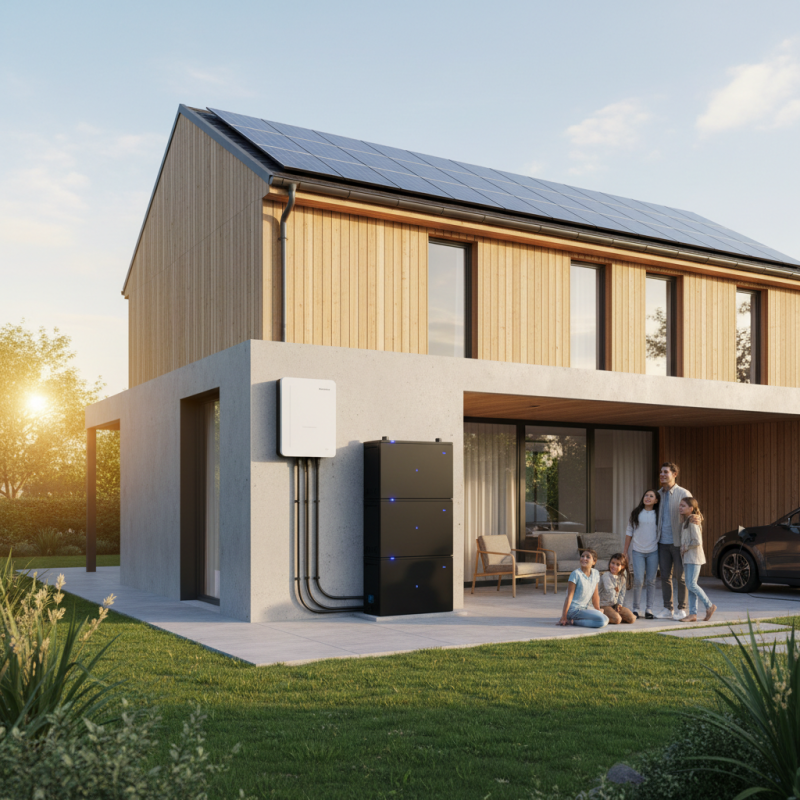
Benefits of Using Inverters in Residential Settings
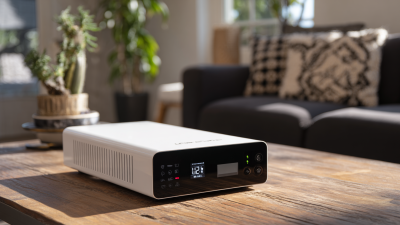
Inverters play a vital role in modern homes. They convert DC power from batteries into usable AC power. This function is essential for running household appliances. With the rise of renewable energy sources, inverters have gained popularity. They allow homeowners to utilize solar panels effectively. This leads to reduced electricity bills and increased energy independence.
Using inverters offers flexibility. Residents can power their devices during outages. This backup energy source provides comfort and peace of mind. The transition to battery power is often seamless. However, not all inverters are created equal. Installation can be tricky and may require professional help. Some may find it challenging to choose the right inverter size. Overestimating needs can lead to wasted resources.
Another key benefit is energy efficiency. Inverters help in maximizing energy usage. This technology creates a more sustainable living environment. Nevertheless, there are concerns about maintenance and longevity. Batteries, especially lithium ones, require proper care. Homeowners must stay vigilant about the battery's health. It’s an investment but comes with responsibilities. Balancing these factors is essential for the best results.
Advantages of Lithium Batteries for Home Energy Storage
Lithium batteries have transformed home energy storage. They offer significant advantages over traditional lead-acid batteries. One key benefit is their higher energy density. They store more energy in a smaller footprint. According to a report by the International Energy Agency, lithium batteries can achieve energy densities of up to 250 Wh/kg. This feature is valuable for homeowners with limited space.
Another notable advantage is their longer lifespan. Lithium batteries can last up to 10 years or more. This is nearly double the lifespan of lead-acid counterparts. A report from Bloomberg New Energy Finance states that lithium-ion batteries have a cycle life of over 2,000 cycles. This means fewer replacements and lower long-term costs.
When considering lithium batteries for home use, efficiency is crucial. Look for models with high round-trip efficiency, ideally above 90%. Tips include monitoring your battery's temperature. Keeping it within an optimal range helps prolong life. Pay attention to any signs of wear or inefficiency. Regularly check connections, as loose wiring can reduce performance. With these insights, homeowners can maximize their energy storage systems and enjoy reliable power in their homes.
Enhancing Energy Efficiency with Inverter Technology
Inverter technology is revolutionizing home energy use. It efficiently converts direct current (DC) power into alternating current (AC) power. This capability enhances the performance of household appliances. Homeowners can experience a significant reduction in their energy bills. Moreover, inverters help extend the lifespan of electronic devices. They provide a stable power supply, reducing the risks of damage from power surges.
Lithium batteries, when paired with inverters, add another layer of efficiency. They store and dispense energy when needed. This synergy allows households to harness renewable energy sources, like solar power. People can rely less on grid electricity. However, it’s crucial to consider the initial investment costs. High-quality batteries can be pricey. Additionally, there's a learning curve involved in managing the system.
Recognizing the benefits comes with challenges. Some homeowners might not fully understand the technology. They may face installation complexities. Regular maintenance is essential to ensure optimal performance. Homeowners must stay informed about advancements and best practices. Balancing cost and efficiency requires continuous effort and evaluation.
Cost Savings and Financial Benefits of Home Inverters
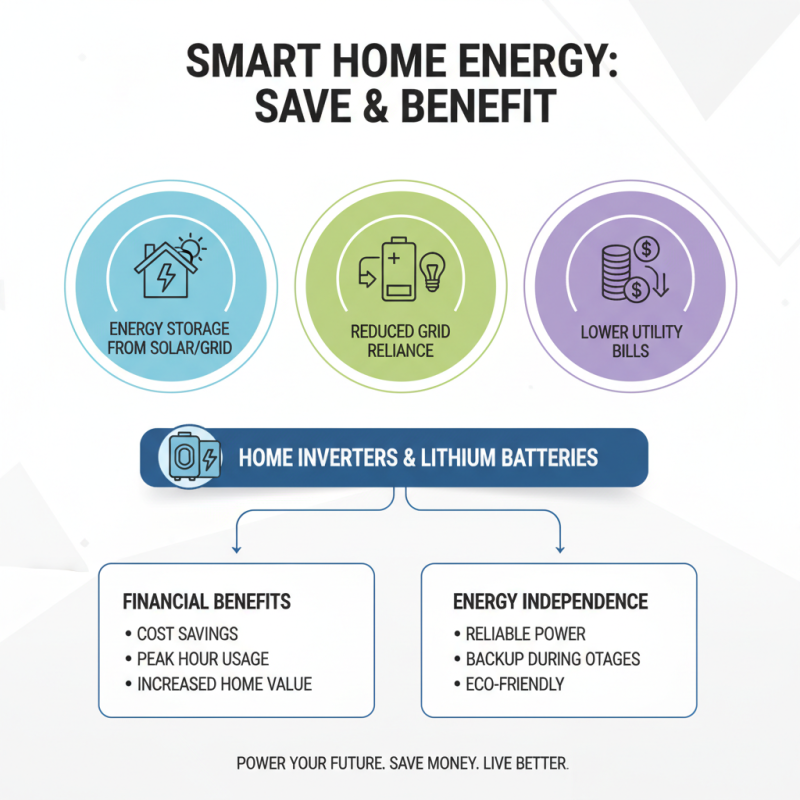
Home inverters and lithium batteries are becoming increasingly popular for households. They bring substantial cost savings and numerous financial benefits. By storing energy from the grid or solar panels, these systems reduce reliance on traditional electricity sources. Lower monthly utility bills result from using stored energy during peak hours when rates are higher.
The initial investment can seem daunting. Yet, many homeowners find that the savings accumulate quickly. The energy stored in lithium batteries can be used efficiently. This can lead to impressive long-term savings. Moreover, incentives for solar energy adoption can further reduce upfront costs. It’s important to research local programs that support renewable energy.
Here are a few tips. Consider energy usage patterns to maximize savings. Evaluate electricity rates in your area. Understanding these rates may lead to better savings. Charging the battery during off-peak hours can enhance financial benefits. Additionally, regular maintenance of your system might prevent future costly repairs. Remember, there are always areas for improvement in energy efficiency. Keeping an eye on emerging technologies may help adapt to changing needs.
Increasing Energy Independence with Lithium Battery Systems
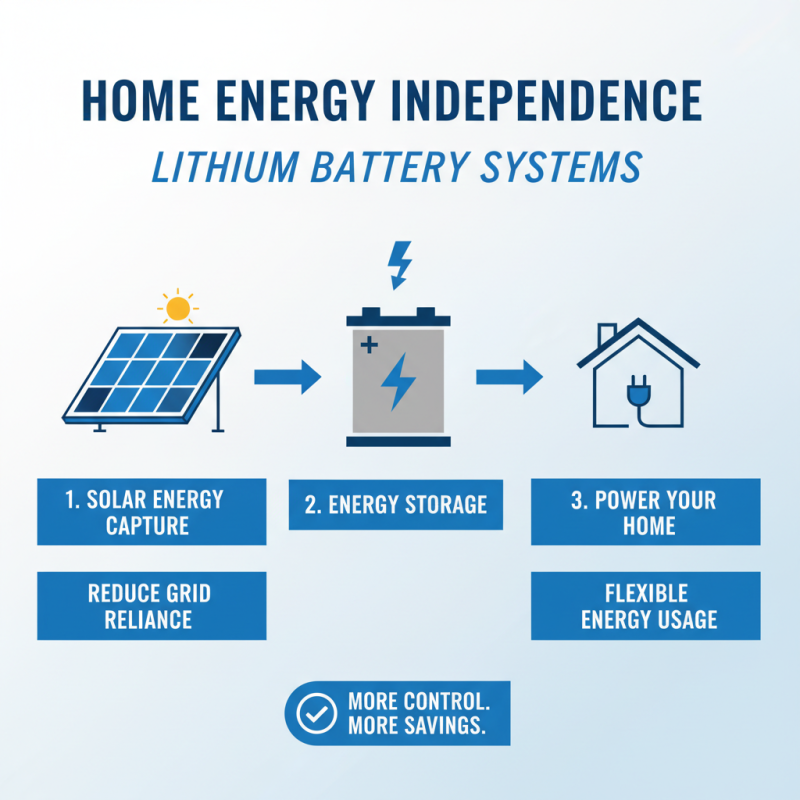
Increasing energy independence is a growing priority for many homeowners. Lithium battery systems offer an effective solution. They store excess energy generated from solar panels, making it available when needed. This significantly reduces reliance on the grid. These systems allow for greater flexibility in managing energy usage.
With the right setup, homeowners can avoid peak energy costs. However, installation can be complex and requires thoughtful planning. Not all homes are suitable for lithium battery systems. Space and budget constraints often pose challenges. Homeowners need to weigh the benefits against their specific circumstances.
Moreover, while lithium batteries have a longer lifespan, they present environmental concerns. Disposal and recycling options are still limited. The efficiency of these systems can vary based on usage patterns. It's essential to monitor energy consumption closely. A commitment to understanding one's energy habits can lead to more informed decisions about energy independence.