What is Stacked Lithium Batteries Benefits and Applications Explained
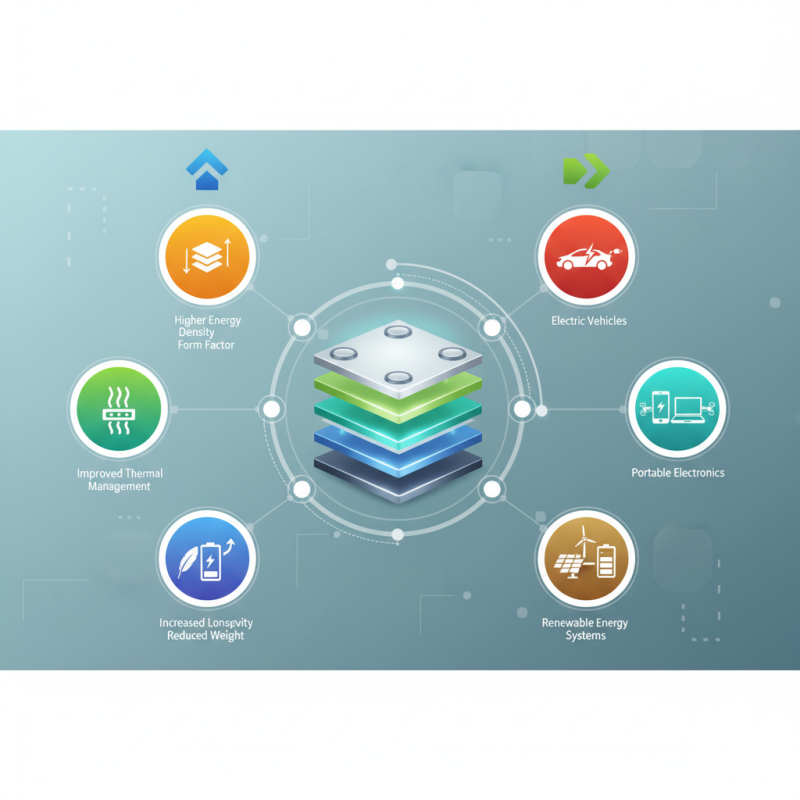
Stacked Lithium Batteries are emerging as a transformative solution in the realm of energy storage and power supply. As the demand for more efficient and compact energy sources continues to rise, these innovative batteries are gaining attention for their unique design and impressive performance characteristics. Unlike traditional lithium batteries, stacked lithium batteries utilize a layered construction that allows them to achieve higher energy densities, improved thermal management, and enhanced safety features. This makes them particularly suitable for a wide range of applications, from electric vehicles and portable electronics to renewable energy systems.
The benefits of stacked lithium batteries extend beyond their compact form factor. Their architecture not only optimizes space but also contributes to increased longevity and reduced weight, which are critical factors in industries such as automotive and aerospace. Moreover, advancements in manufacturing techniques have made it possible to produce these batteries at a lower cost, thereby making them accessible for broader applications. This article delves into the various benefits and applications of stacked lithium batteries, highlighting their potential to revolutionize the way we think about energy storage and usage. As technological advancements continue to unfold, stacked lithium batteries are poised to become a cornerstone of future energy solutions, offering both efficiency and sustainability.
Benefits of Stacked Lithium Batteries in Energy Storage Systems
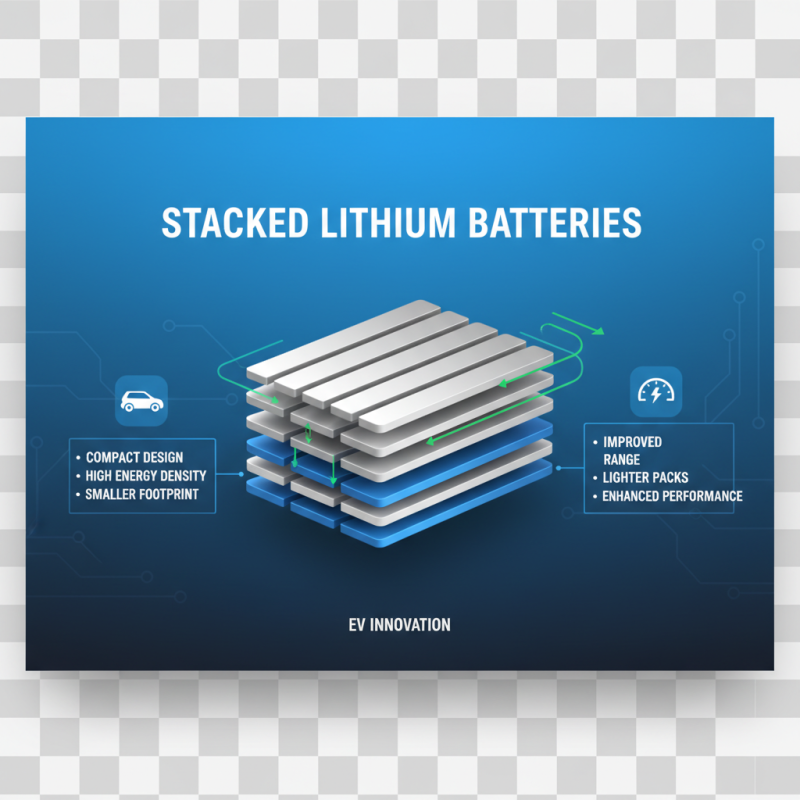
Stacked lithium batteries represent a significant advancement in energy storage systems, offering a host of benefits that enhance their performance and usability. One of the primary advantages of these batteries is their compact design. By stacking multiple cells vertically, they can achieve higher energy densities without increasing the footprint. This makes them particularly suitable for applications where space is limited, such as in electric vehicles or portable electronic devices.
Another key benefit of stacked lithium batteries is their improved thermal management. The design allows for better heat dissipation, reducing the risk of overheating and enhancing safety. This is critical for maintaining the longevity of the batteries and ensuring reliable operation in varied conditions. Moreover, stacked lithium batteries can often support faster charging rates, making them an ideal choice for applications that require quick energy replenishment.
Tip: When considering stacked lithium batteries for your energy storage needs, it's essential to evaluate the specific energy and power requirements of your application to ensure optimal performance.
Additionally, these batteries have longer cycle lives compared to traditional designs, which means they can be charged and discharged more times before significant capacity degradation occurs. This efficiency can lead to lower overall costs in the long run, making stacked lithium batteries a more economical choice for both consumers and businesses seeking sustainable energy solutions.
Tip: Regular maintenance and monitoring of battery health can further extend the lifecycle of stacked lithium batteries, ensuring maximum return on investment.
Benefits of Stacked Lithium Batteries in Energy Storage Systems
This chart compares the benefits of stacked lithium batteries against traditional lithium batteries in energy storage systems. Stacked lithium batteries offer higher energy density, longer cycle life, shorter charge time, and cost advantages, making them a viable choice for modern energy solutions.
Key Applications of Stacked Lithium Batteries in Electric Vehicles
Stacked lithium batteries are gaining prominence in the electric vehicle (EV) sector due to their compact design and high energy density. These batteries consist of multiple layers of cells stacked together, which allows for a significant reduction in size while maximizing power output. This unique configuration enables manufacturers to create lighter and more efficient battery packs, which directly translates to improved vehicle range and performance. The ability to fit larger capacities in a smaller footprint also plays a critical role in the design and aerodynamics of EVs.
One of the key applications of stacked lithium batteries in electric vehicles is their integration into the battery management systems (BMS). These systems ensure optimal performance and longevity by monitoring individual cell conditions, thereby enhancing safety and reliability. Furthermore, the high discharge rates of stacked lithium batteries make them suitable for rapid acceleration in EVs, providing drivers with an exhilarating experience while maintaining energy efficiency. Additionally, advancements in thermal management technologies allow these batteries to operate effectively under varying environmental conditions, further boosting their applicability in electric vehicles.
Comparative Analysis: Stacked Lithium Batteries vs. Traditional Batteries
Stacked lithium batteries offer a range of advantages over traditional battery technologies, primarily due to their innovative structure and material composition. One of the primary differences is their energy density; stacked lithium batteries can store more energy in a smaller volume, making them ideal for applications where space is a premium, such as electric vehicles and portable electronics.
This compact design also contributes to lighter overall weight, enhancing the efficiency and performance of the devices they power.
In terms of charge and discharge rates, stacked lithium batteries excel, providing faster performance compared to conventional batteries like lead-acid or nickel-metal hydride.
This rapid energy transfer facilitates quicker charging times, which is becoming increasingly important as consumers demand more efficiency in their devices.
Additionally, the lifespan of stacked lithium batteries often surpasses that of traditional batteries, reducing the frequency of replacements and minimizing environmental impact.
Overall, the advanced technology behind stacked lithium batteries positions them as a superior choice for modern energy storage needs, especially in applications requiring high efficiency and longevity.
Technological Advances Driving Stacked Lithium Battery Efficiency
Recent advancements in technology have significantly enhanced the efficiency of stacked lithium batteries, making them a pivotal component in various applications. One of the main drivers of these improvements is the development of innovative materials that allow for greater energy density. By optimizing the electrode materials and electrolyte compositions, researchers have created batteries that not only store more energy in a smaller footprint but also exhibit faster charging times. This amalgamation of compact design and enhanced performance makes stacked lithium batteries ideal for portable electronics, electric vehicles, and renewable energy storage systems.
Another critical advancement is the implementation of smart battery management systems, which monitor and regulate the performance of stacked lithium batteries in real-time. These systems ensure optimal energy usage, extend battery life, and enhance safety by preventing overheating or overcharging. Additionally, advancements in manufacturing technologies have enabled more precise assembly techniques, leading to better consistency and reliability across battery stacks. Collectively, these technological strides are revolutionizing the capabilities of stacked lithium batteries, paving the way for their expanded adoption across various sectors, including automotive, aerospace, and grid storage solutions.
What is Stacked Lithium Batteries Benefits and Applications Explained - Technological Advances Driving Stacked Lithium Battery Efficiency
| Dimension |
Details |
| Energy Density |
Higher energy density compared to traditional lithium batteries, up to 300 Wh/kg. |
| Charge Time |
Reduced charge time by 20-30% due to improved thermal management. |
| Cycle Life |
Extended cycle life of up to 3000 cycles with proper management. |
| Weight |
Lighter than traditional batteries, aiding in applications requiring weight efficiency. |
| Applications |
Used in electric vehicles, portable electronics, renewable energy storage, and grid systems. |
| Safety Features |
Includes advanced safety features to mitigate overheating and prolong lifespan. |
| Cost Efficiency |
Reduction in cost per kilowatt-hour due to improved manufacturing techniques. |
Market Trends and Future Outlook for Stacked Lithium Batteries
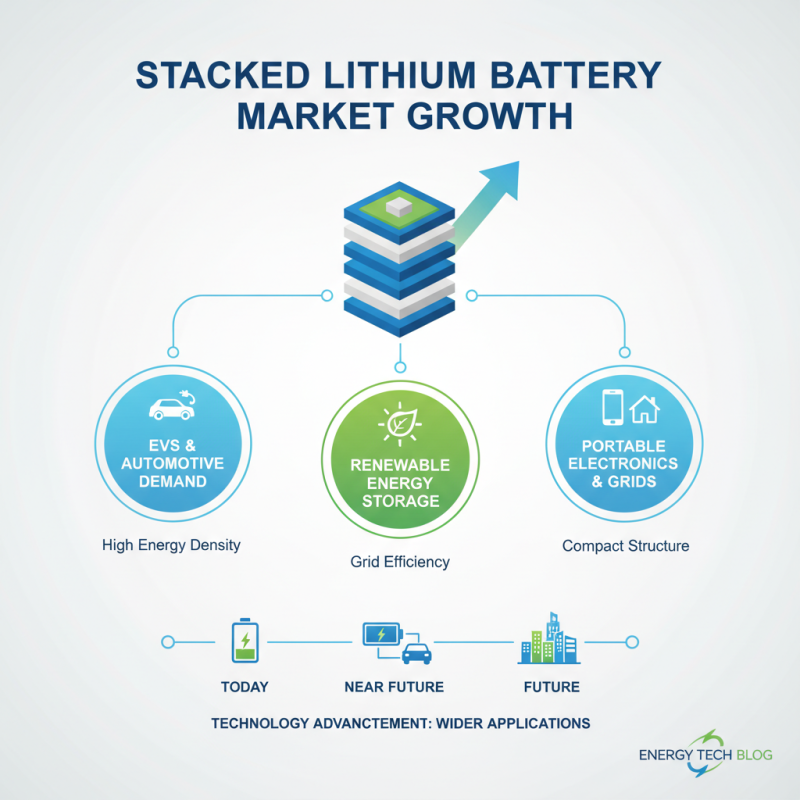
The market for stacked lithium batteries is witnessing significant growth driven by trends such as the increasing demand for electric vehicles (EVs) and renewable energy storage solutions. Stacked lithium batteries, known for their high energy density and compact structure, are becoming the go-to choice for manufacturers looking to enhance the performance and efficiency of their products. As technology advances, these batteries are being integrated into a wider range of applications, from portable electronics to large-scale energy grids.
One notable trend is the push towards sustainability and eco-friendly solutions, which has led to innovations that improve the recyclability of stacked lithium batteries. As industries seek to minimize their carbon footprint, manufacturers are exploring new materials and designs that not only enhance battery life but also ensure that end-of-life products can be reused or recycled effectively. Additionally, advancements in battery management systems are helping to optimize performance, making these stacked solutions even more appealing to a broader market.
Tips: When considering stacked lithium batteries for your applications, assess the specific energy requirements and environmental factors. It’s crucial to stay informed about the latest technological developments that can enhance efficiency and sustainability. Engaging with industry experts and attending relevant conferences can also provide insights into future innovations and market shifts that may affect your choices.