What is an Rv Off Grid Solar System and How Does It Work?
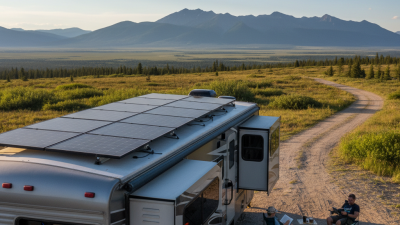
An Rv Off Grid Solar System allows travelers to explore nature without sacrificing comfort. Imagine powering your RV with sunlight while parked in remote areas. This system utilizes solar panels to capture sunlight and convert it into electricity, making it an eco-friendly option.
When you go off-grid, traditional power sources are unavailable. The Rv Off Grid Solar System becomes essential in these situations. It’s a blend of solar panels, batteries, and an inverter. This setup allows you to enjoy modern conveniences, even when miles away from civilization.
However, understanding this system is crucial. It requires careful planning and maintenance. Some may struggle with battery management or panel installation. These challenges invite reflection on one's comfort with technology. The right preparation can make off-grid adventures enjoyable and sustainable.
Definition of an RV Off Grid Solar System
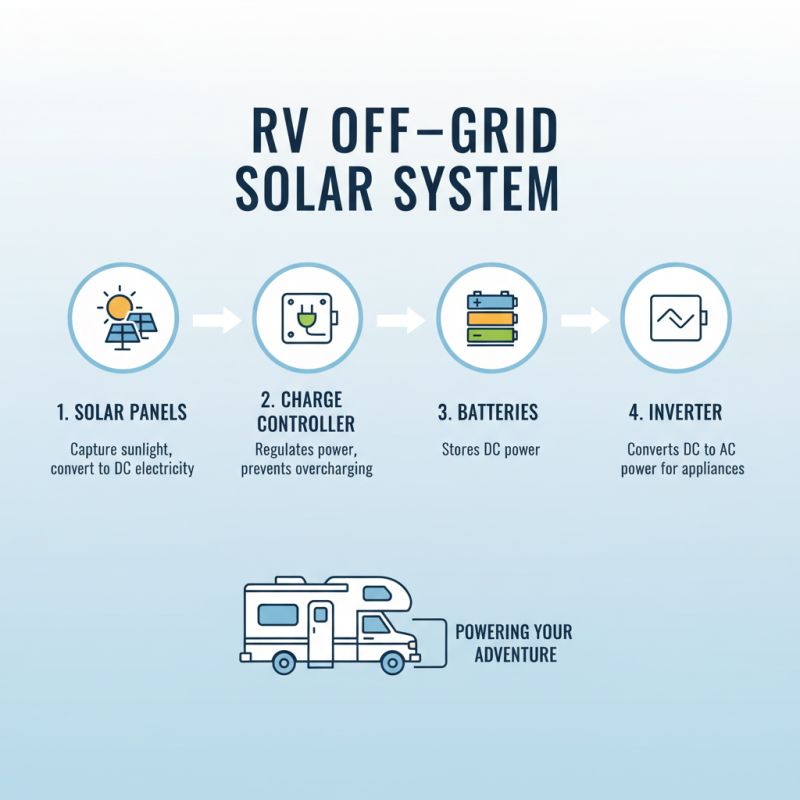
An RV off-grid solar system is a solution for energy independence. It allows RV owners to generate power without relying on traditional hookups. This system usually includes solar panels, charge controllers, batteries, and inverters. Together, these components convert sunlight into usable electricity. According to recent industry reports, around 70% of RV users prefer off-grid solutions due to their convenience and sustainability.
One key component is solar panels, which capture sunlight. They can vary in size and efficiency. On average, a 100-watt panel produces about 30 amp-hours of energy daily in ideal conditions. However, this production can drop based on weather conditions and panel orientation. Battery storage is also crucial. Lithium batteries, while costly, are popular for their long life spans.
Tips: Assess your energy needs before purchasing a system. Calculate how much power your devices consume. It’s also wise to invest in quality solar panels. Cheap options might not deliver the promised output. Ultimately, finding the right balance is essential. Evaluating all components critically ensures better performance and satisfaction.
What is an Rv Off Grid Solar System and How Does It Work?
| Component |
Description |
Typical Size |
Estimated Cost |
| Solar Panels |
Collect solar energy and convert it to electricity. |
100W - 400W each |
$100 - $500 |
| Charge Controller |
Regulates voltage and current from solar panels to batteries. |
20A - 60A |
$30 - $150 |
| Batteries |
Store energy generated from the solar panels for later use. |
12V - 200Ah |
$150 - $600 |
| Inverter |
Converts DC power from batteries to AC power for household appliances. |
300W - 3000W |
$100 - $500 |
| Mounting Hardware |
Equipment used to secure solar panels to the RV. |
Varies by installation |
$50 - $200 |
Key Components of an RV Off Grid Solar System
An RV off-grid solar system is an efficient way to power a mobile lifestyle. Key components make it functional and reliable. Solar panels capture sunlight. They convert it into electricity. The average solar panel generates about 300 watts. This output is vital for running appliances and devices.
Batteries are crucial in an off-grid setup. They store energy for later use. Lithium-ion batteries are popular for their efficiency. Their lifespan can exceed 10 years. However, the initial investment can be significant. Some users face storage capacity challenges. It’s important to calculate your energy needs accurately.
Inverters play a key role as well. They convert direct current (DC) from the solar panels to alternating current (AC). Most household appliances run on AC. An inverter’s efficiency can vary, affecting overall energy output. Regular maintenance is necessary. Users must check connections and system performance. Disorganization could lead to waste and safety issues. A well-planned system can maximize energy use and reduce frustrations.
Key Components of an RV Off Grid Solar System
This bar chart illustrates the typical specifications for the key components of an RV off-grid solar system, including the wattage of solar panels, the amp-hour capacity of battery storage, the wattage of the inverter, and the amperage of the charge controller.
Storage Solutions for Off Grid Solar Energy in RVs
RVs equipped for off-grid living can benefit greatly from solar energy solutions. Central to this setup are storage systems that ensure a reliable energy supply. These systems store excess energy generated from solar panels during sunny days. This stored energy is crucial for powering appliances when the sun isn't shining.
Batteries play a pivotal role in off-grid solar systems. Lithium-ion and deep-cycle batteries are popular choices. They come with varying capacities, affecting how long you can run devices. It’s essential to assess your energy needs to pick the right size. Monitoring battery health is also crucial. Degraded batteries can lead to unexpected power shortages.
Solar energy storage can be tricky. Overcharging and undercharging can damage batteries. Regular maintenance is needed to prolong their lifespan. Additionally, having a backup plan for power shortages can add security. Off-grid life can test your preparedness and adaptability, making each journey a unique challenge.
Benefits of Using an Off Grid Solar System for RVs
Using an off-grid solar system for RVs offers numerous advantages. It allows travelers to explore remote areas without worrying about power supply. According to a recent industry report, about 39% of RV owners prefer solar systems for this very reason. This choice reflects a growing trend towards sustainable travel. With solar panels installed, you harness energy directly from the sun. This can reduce reliance on traditional fuel sources.
The benefits extend beyond convenience. Off-grid systems often lead to significant cost savings over time. An analysis by solar energy experts suggests that RV owners can save up to $1,000 annually in energy costs. Additionally, these systems have a positive environmental impact by reducing carbon footprints. However, there are challenges. Not every RV owner understands installation needs. Some systems may require substantial initial investments. Yet, the long-term gains often outweigh these concerns.
Despite the advantages, it’s crucial to assess power needs accurately. Miscalculating the energy requirements can lead to frustrating experiences. When the system underperforms, it can dampen the overall RV experience. A well-planned solar setup, however, can enhance freedom on the road. It allows travelers to stay off the grid longer, creating unforgettable memories.