Top Reasons to Choose Lithium Slimline Battery for Your Needs?
The Lithium Slimline Battery has emerged as a game-changer in various sectors. With the global battery market projected to reach $120 billion by 2025, lithium-based solutions are gaining traction. These batteries offer enhanced energy density, leading to longer runtimes and reduced weight. According to industry reports, Lithium Slimline Batteries can provide up to 30% more power compared to traditional lead-acid batteries.
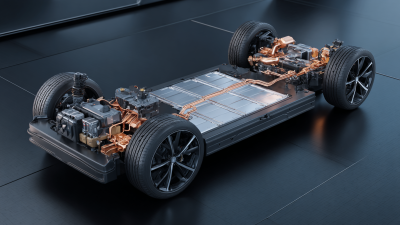
Many industries are shifting towards this technology. For instance, the renewable energy sector is embracing lithium batteries for energy storage systems. They are also widely used in electric vehicles, powering the transition to greener alternatives. Despite these advancements, some consumers still question their longevity and performance under extreme conditions. An open dialogue about these concerns can lead to better understanding and expectations.
When considering battery options, it's essential to weigh the pros and cons. Mishaps happen, and some early adopters have reported issues with overcharging. However, ongoing innovations are addressing these challenges. The benefits of choosing a Lithium Slimline Battery can outweigh the risks, making it a smart choice for many applications.
Advantages of Lithium Slimline Batteries Over Traditional Batteries
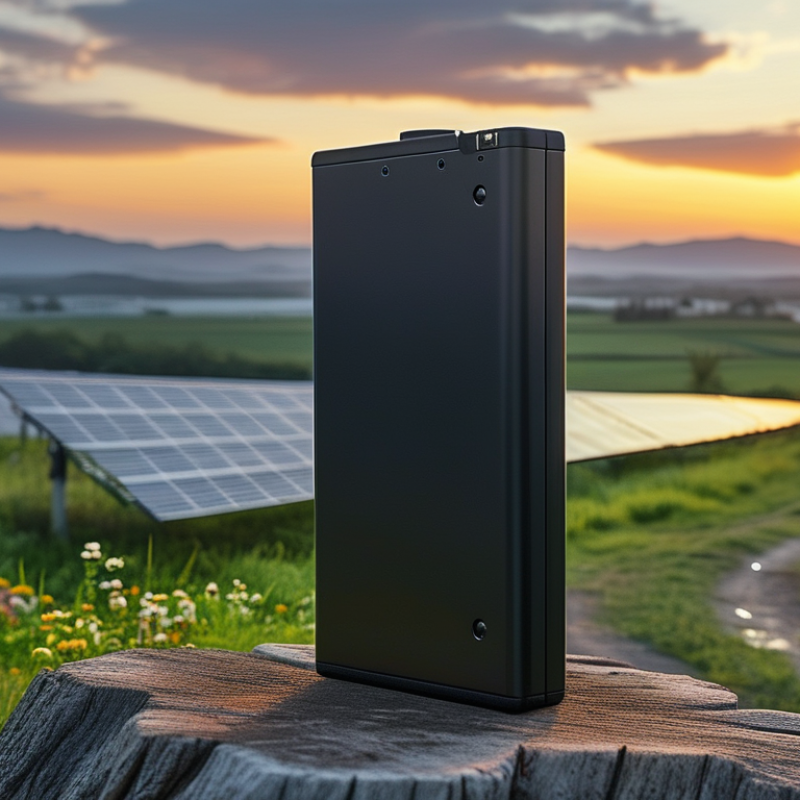
Lithium Slimline Batteries have gained significant attention for their unique advantages over traditional batteries. One of the most compelling reasons is their compact size. These batteries are designed to fit into tighter spaces without sacrificing performance. This is particularly useful for portable devices and equipment where space is a premium.
Another key benefit is energy density. Lithium Slimline Batteries can store more energy in a smaller package. This means longer usage times between charges. They also have a lower self-discharge rate, making them reliable for long periods of storage. Users often find that these batteries hold their charge much better than traditional lead-acid or nickel-based batteries.
Performance is not solely about size and energy storage. Lithium Slimline Batteries are known for their rapid charging capabilities. You can often recharge them in a fraction of the time it takes for other batteries. However, it's essential to consider that this technology may come with a higher initial cost. Evaluating both short-term and long-term benefits is worthwhile. Users must think about their specific needs before making a decision.
Key Features of Lithium Slimline Batteries for Various Applications
Lithium slimline batteries are rapidly gaining popularity across various sectors due to their unique features. One of the standout advantages is their compact design, which allows for easy installation in tight spaces. This is particularly beneficial for applications such as camping equipment, golf carts, and other portable devices. These batteries often offer a higher energy density, providing longer usage times without the bulk of traditional options.
Another key feature is their lightweight nature. A lithium slimline battery can significantly reduce overall weight. This is crucial in industries requiring mobility, such as electric vehicles. Their durability also stands out, as lithium batteries endure more charging cycles compared to lead-acid batteries. This longevity is advantageous for consumers seeking reliability and efficiency.
Moreover, lithium slimline batteries have advanced safety features. They typically include built-in management systems that help prevent overcharging and overheating. However, not all lithium batteries are made equally; factors such as quality control and production techniques should be considered. While they provide numerous benefits, understanding the potential downsides, like the need for specialized chargers, is essential for proper usage.
How Lithium Slimline Batteries Optimize Space and Weight Efficiency
Lithium slimline batteries have gained popularity for their outstanding space and weight efficiency. These batteries are compact and lightweight compared to traditional models. Their slim design allows them to fit into tight spaces where conventional batteries cannot. This is particularly beneficial for applications in modern electronics, vehicles, and renewable energy systems.
One of the key advantages of lithium slimline batteries is their energy density. They store more energy in a smaller volume. This means you can get more power without adding weight. For example, when used in electric vehicles, these batteries can extend driving range without compromising vehicle design. However, not everyone realizes that with this efficiency comes the challenge of ensuring proper installation and management.
Another factor to consider is the thermal management required for lithium batteries. While they are efficient, overheating can reduce performance. Users should regularly check temperature levels and follow guidelines for safe usage. This may seem minor, but neglecting it can lead to issues down the line. Balancing the benefits and challenges of lithium slimline batteries is essential for making informed decisions.
Understanding the Longevity and Lifespan of Lithium Slimline Batteries
Lithium slimline batteries are gaining popularity due to their impressive longevity and lifespan. Research shows these batteries can exceed 2,000 charge cycles. This outlasts many traditional lead-acid batteries. In various applications, from solar energy storage to electric vehicles, longevity is essential. A battery that lasts longer reduces the frequency of replacements and minimizes waste.
When discussing lifespan, it's crucial to consider degradation rates. Studies indicate that lithium batteries maintain over 80% of their capacity even after 500 cycles. In contrast, lead-acid alternatives typically degrade much faster. The specific chemistry of lithium allows it to handle higher charge and discharge rates effectively. This translates to better performance over time, which is essential for power needs in modern setups.
However, it's not without complications. Factors such as temperature, depth of discharge, and charging practices can impact the lifespan. Maintaining the ideal operating conditions can be challenging. Users must be vigilant about their battery management strategy. Understanding these nuances helps better harness the advantages of lithium slimline technology.
Cost-Effectiveness of Lithium Slimline Batteries in the Long Run
Lithium slimline batteries are gaining traction for their cost-effectiveness. These batteries, known for their compact size, offer significant savings over time. According to a recent market analysis, their lifespan can exceed 10 years, reducing the frequency of replacements. This longevity translates to lower overall costs in energy storage and usage.
Industry reports highlight that lithium slimline batteries maintain their efficiency up to 80% of their original capacity even after years of use. This performance ensures you get more value for your investment. An estimate from the International Energy Agency indicates that the total cost of ownership of lithium batteries is nearly 30% lower compared to traditional options.
However, it’s worth noting that not all applications may benefit equally from lithium slimline batteries. In certain scenarios, their initial purchase price can be higher than conventional batteries. This may deter some buyers initially, yet the long-term financial benefits often outweigh these upfront costs. Making an informed choice involves evaluating not just immediate costs, but also projected operational savings.