What are Off Grid Hybrid Inverters and How Do They Work?
Off Grid Hybrid Inverters are gaining traction in the renewable energy market. Their ability to seamlessly blend solar power with battery storage is revolutionary. According to a recent report by the International Renewable Energy Agency (IRENA), off-grid solutions are expected to grow by 10% annually through 2025.
These inverters offer enhanced energy independence. They can operate without grid connection, making them ideal for remote locations. A study by Grand View Research states that the off-grid solar market is projected to reach $19.2 billion by 2027. Despite their advantages, challenges remain. Consumers may face high initial costs and technical complexities.
Understanding how Off Grid Hybrid Inverters work is essential for potential users. They combine energy generation, storage, and consumption. This tech can significantly reduce reliance on fossil fuels. However, not all systems are created equal, and choices can be overwhelming. Users must weigh the benefits against the investment and ongoing maintenance needs.
What are Off Grid Hybrid Inverters?
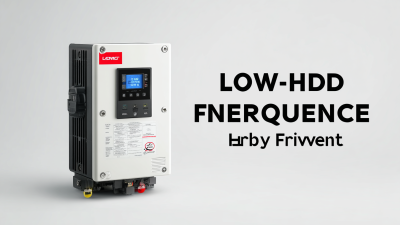
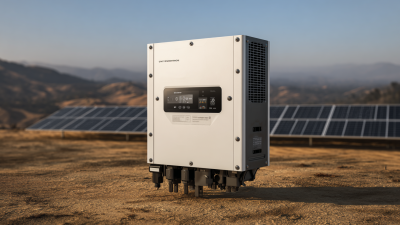
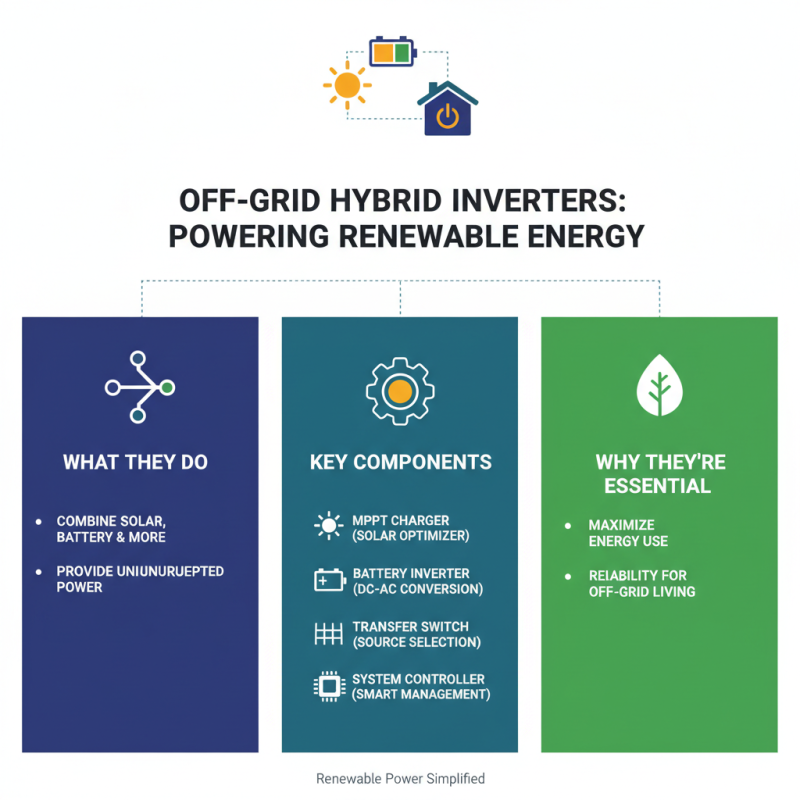
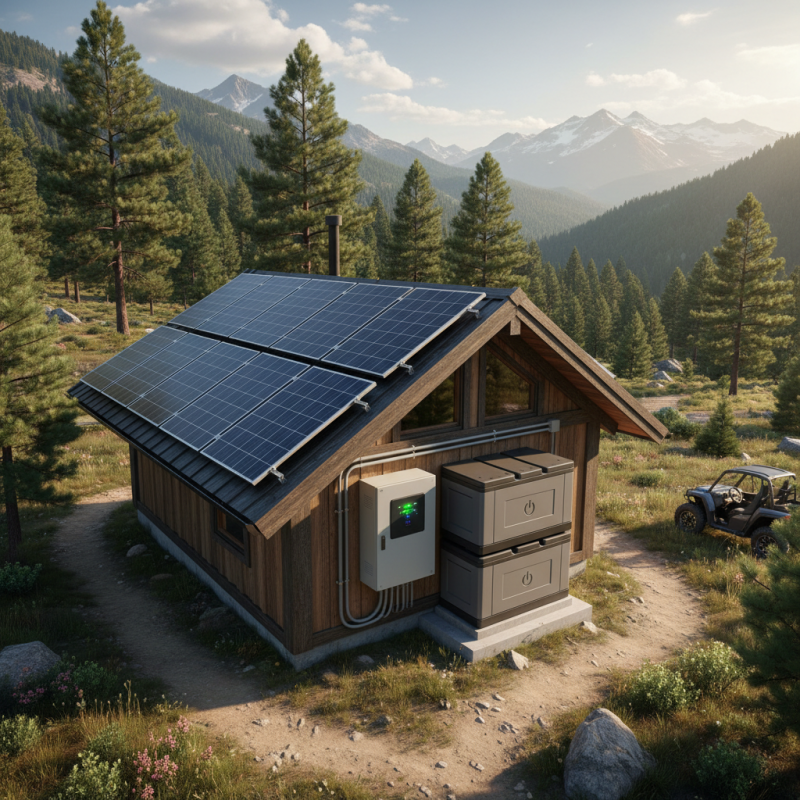
Off-grid hybrid inverters are innovative devices that combine traditional inverter technology with the ability to manage energy from multiple sources. They can work with solar panels, wind turbines, and even battery storage systems. This versatility allows users to generate and store their own electricity, independent of the grid. For those living in remote areas, these inverters offer a reliable energy solution, especially during power outages.
Choosing the right inverter can be challenging. It's crucial to consider the power requirements of your home and the available energy resources. Researching different systems might feel overwhelming. Take your time; weigh the pros and cons carefully. In some cases, a simpler setup might work better for your energy needs.
Tips: When installing an off-grid system, ensure appropriate battery size and type. Regular maintenance can prolong your inverter’s life. Keep an eye on energy usage to avoid overloads. Balance is essential; too much reliance on one energy source can lead to inefficiency. Always think ahead, as your energy needs may change over time.
What are Off Grid Hybrid Inverters and How Do They Work?
| Feature |
Description |
Benefits |
Typical Applications |
| Power Source |
Combines solar and grid power |
Increased energy independence |
Remote homes, cabins |
| Energy Storage |
Can operate with battery storage |
Backup power during outages |
Off-grid setups, emergency systems |
| Grid Connected |
Can interact with the main grid |
Sell excess energy back to the grid |
Urban residences, commercial buildings |
| Efficiency |
High conversion rates of energy |
Maximizes solar energy use |
Industrial applications, farms |
| Flexibility |
Can be integrated with different energy sources |
Customizable energy solutions |
Diverse energy needs, hybrid solutions |
Key Components of Off Grid Hybrid Inverters
Off-grid hybrid inverters are essential for renewable energy systems. They combine multiple power sources, such as solar and batteries, to provide energy. Understanding their key components helps in effectively utilizing them.
One critical component is the solar charge controller. This device regulates the voltage and current coming from solar panels. It ensures batteries charge correctly and prevents overcharging. Sometimes, these controllers can be complex. They may require adjustments during various weather conditions. Users should familiarize themselves with their settings to optimize performance.
Another vital part is the battery management system (BMS). The BMS monitors battery health and energy flow. It helps extend battery life by preventing over-discharge. Having a reliable BMS is crucial for off-grid living. Still, some systems may struggle with improper calibration. Regular checks can mitigate this issue.
Tips: Always monitor your system's performance. Unexpected drops can indicate problems. Ensure proper ventilation for battery systems. Poor ventilation can lead to overheating and failure. Lastly, keep up with regular maintenance. Small issues can escalate quickly without timely attention.
How Off Grid Hybrid Inverters Function: A Step-by-Step Explanation
Off grid hybrid inverters are essential for combining renewable energy sources with battery storage. They enable households and businesses to operate independently from the grid, providing resilience and energy savings. Understanding how these inverters function can help users maximize their efficiency.
The process starts when renewable energy, like solar or wind, is generated. The inverter converts this DC power into AC power. This AC power can be used immediately or directed to charge batteries. Proper battery management is crucial. If batteries are full, the system needs to divert excess power. This balancing act is challenging and calls for regular monitoring.
When demand increases, the inverter draws energy from both batteries and renewable sources. However, if power consumption exceeds generation, the inverter can switch to grid power, ensuring a continuous supply. Users might overlook this switch, leading to potential energy waste. Maintenance is important. Monitoring battery health and system performance ensures long-term functionality and efficiency. Regular checks can prevent unexpected failures, highlighting the importance of staying proactive.
Off Grid Hybrid Inverters Performance Comparison
This chart compares the performance of three different off grid hybrid inverters based on power output, battery storage capacity, efficiency, and cost. It provides a visual representation of how each inverter stacks up against the others in these key metrics.
Efficiency Ratings and Performance Metrics of Hybrid Inverters
Hybrid inverters play a crucial role in off-grid solar systems. They combine functions of traditional inverters and battery systems. This allows them to optimize power usage and storage efficiency. Understanding their efficiency ratings is essential. These ratings provide insights into how well an inverter converts solar energy into usable electricity.
Performance metrics vary based on design and technology. Conversion efficiency is typically measured as a percentage. A high percentage indicates less energy loss during conversion. Peak efficiency often occurs under specific conditions. Real-world performance may differ due to temperature and load variations.
Evaluating these metrics can be challenging. Some consumers rely on manufacturer claims, which may not always reflect actual performance. It’s important to gather data from multiple sources. This helps to build a clearer picture of expected efficiency. Monitoring the inverter’s real-time performance is also beneficial. Data can highlight operational inconsistencies. Understanding these aspects is vital for enhancing energy management in hybrid systems.
Applications and Benefits of Off Grid Hybrid Inverters in Renewable Energy
Off-grid hybrid inverters are transforming the renewable energy landscape. They integrate
solar panels, wind turbines, and batteries seamlessly. This combination offers
flexibility and efficiency for energy users. A major application is in remote areas,
where accessing grid electricity is difficult. These inverters help households and businesses become self-sufficient.
One benefit of off-grid hybrid inverters is energy independence.
Users can generate their own power without relying on traditional grids. This can be financially beneficial
in the long run. However, the initial setup cost might seem high. It prompts many to reconsider their energy choices.
Some may find the maintenance of these systems tricky. Technology can sometimes fail, causing interruptions.
Additionally, off-grid hybrid inverters support sustainability goals. They help reduce carbon footprints significantly.
Using clean energy sources promotes a healthier environment. However, installation requires careful planning.
Not every location suits every technology. Users must assess their needs and resources. Balancing cost and efficiency
often remains a dilemma. Embracing these systems brings both opportunities and challenges.