What is Lifep04 Lithium Battery and its Benefits?
Lifep04 Lithium Battery is gaining traction in various industries. According to Dr. Emily Chen, a prominent expert in energy storage solutions, "Lifep04 Lithium Battery offers safety and longevity unmatched by traditional batteries." This statement highlights the key benefits of this technology.
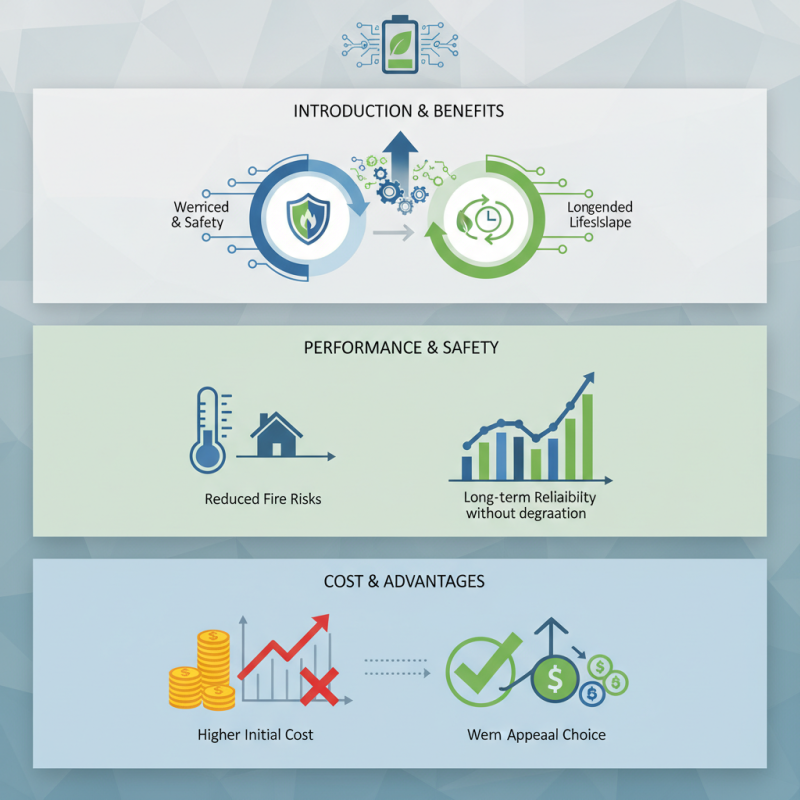
Lifep04 Lithium Battery is not just about performance; it also ensures safety. Unlike other lithium batteries, it operates at lower temperatures and reduces fire risks. This aspect is crucial for users who prioritize safety along with efficiency. Moreover, the lifespan of Lifep04 batteries often surpasses that of conventional batteries. Users find that they can rely on these batteries for years without significant degradation.
However, not everything is perfect. The initial cost of Lifep04 Lithium Battery can be higher than lead-acid alternatives. Consumers must weigh the upfront investment against long-term savings. Some still question whether the benefits truly justify the expense. Yet, for many applications, the advantages become evident, making Lifep04 an appealing choice.
What is Lifep04 Lithium Battery?
Lifepo4 lithium batteries are gaining popularity due to their unique chemical composition. They are made using lithium iron phosphate, which makes them safer than other lithium batteries. One notable feature is their thermal stability. According to industry reports, Lifepo4 batteries can operate safely in a wide temperature range. This quality reduces the risk of overheating, a common concern in battery usage.
Another key aspect of Lifepo4 batteries is their longevity. They boast a cycle life of about 2,000 to 3,000 cycles. In contrast, traditional lithium-ion batteries typically last only about 500 to 1,000 cycles. This difference means Lifepo4 batteries can be more cost-effective over time. Less frequent replacements lead to lower waste and environmental impact.
Despite these advantages, Lifepo4 batteries do have some downsides. Their energy density is lower than other lithium batteries, which can result in heavier battery designs. Some users also find them less efficient in terms of maximum power output. These factors could limit their applications in specific scenarios. Understanding these trade-offs is crucial for anyone considering Lifepo4 technology.
The Chemistry Behind Lifep04 Lithium Batteries
Lithium iron phosphate (LiFePO4) batteries are gaining popularity for several reasons. Their chemistry is unique compared to other lithium batteries. LiFePO4 consists of iron phosphate, offering high stability and safety. This chemistry results in reduced risks of overheating and explosions, making them a safer choice.
The manufacturing process of LiFePO4 involves precise methods. Iron and phosphate react to form a stable compound. This compound is then used in cathodes. This ensures longevity and efficiency in energy storage. However, the production process can be complex and not always feasible for all manufacturers.
Tips: Always consider the specific energy needs of your application. LiFePO4 may not always be the best fit for high-performance tasks. They excel in applications where safety and durability are priorities. Additionally, maintain good charging practices to enhance battery life and efficiency. Different usage scenarios will affect the performance of these batteries significantly.
What is Lifep04 Lithium Battery and its Benefits? - The Chemistry Behind Lifep04 Lithium Batteries
| Property |
Description |
| Chemical Composition |
Lithium Iron Phosphate (LiFePO4) |
| Energy Density |
Around 90-160 Wh/kg |
| Cycle Life |
Up to 2000-3000 cycles |
| Operating Temperature Range |
-20°C to 60°C |
| Safety |
Higher thermal stability and lower risk of combustion |
| Applications |
Electric vehicles, renewable energy storage, power tools |
| Environmental Impact |
Less toxic materials compared to cobalt-based batteries |
Key Benefits of Lifep04 Lithium Batteries
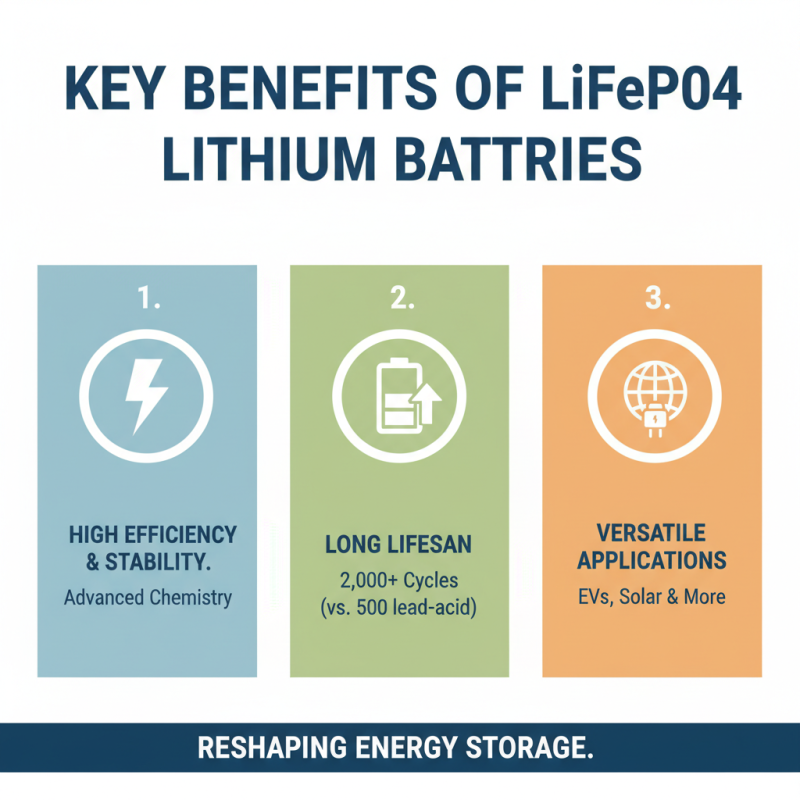
Lifepo4 lithium batteries are reshaping energy storage. Their chemistry allows for higher efficiency and stability. They excel in various applications, from electric vehicles to renewable energy systems. Recent studies show Lifepo4 batteries last over 2,000 cycles, significantly outpacing traditional lead-acid batteries, which provide about 500 cycles.
One major benefit is safety. Lifepo4 cells are less prone to thermal runaway. According to industry reports, their fire risk is minimal compared to other lithium-ion technologies. This makes them ideal for sensitive environments. Additionally, they operate effectively in extreme temperatures, ensuring reliability in various conditions.
Cost-effectiveness is another advantage. While initial expenses may be higher, Lifepo4 batteries have lower long-term costs. Their longer lifespan reduces the frequency of replacements. Research indicates they save up to 30% over time compared to traditional batteries. However, their overall adoption is still climbing. Best practices in recycling and disposal are necessary to address environmental concerns.
Applications of Lifep04 Lithium Batteries in Various Industries
Lifepo4 lithium batteries have gained traction across various industries due to their unique advantages. Their inherent thermal stability makes them safer than other lithium-ion batteries. This feature is crucial in applications requiring high reliability, like electric vehicles and renewable energy storage.
In the automotive sector, Lifepo4 batteries support electric vehicle technology. According to a 2022 report by the International Energy Agency, electric vehicle sales surged to 6.6 million units, largely supported by efficient battery technologies. These batteries power not just vehicles but also public transportation systems. Their longevity and charge cycles reduce the need for frequent replacements, thus lowering costs over time.
In the renewable energy landscape, Lifepo4 batteries enhance solar energy systems. They store excess energy generated during sunny days for later use. This capability promotes energy independence and contributes to grid stability. A report from Bloomberg indicates that the solar-plus-storage market could reach 100 gigawatts by 2030, indicating a substantial shift towards sustainable energy solutions.
Tips: When considering Lifepo4 batteries, assess your specific needs. Balance upfront costs with long-term savings. Also, analyze how temperature extremes may affect battery performance, especially for outdoor applications.
Comparison of Lifep04 Lithium Batteries with Other Battery Technologies
Lithium Iron Phosphate (LiFePO4) batteries have gained significant attention in recent years. Compared to traditional lead-acid batteries, LiFePO4 offers notable advantages. They have a longer lifespan, often exceeding 2,000 charge cycles. In contrast, lead-acid batteries typically last only 500 cycles. This durability leads to lower replacement costs over time.
In terms of safety, LiFePO4 batteries are less prone to thermal runaway. This reduces the risk of overheating, a common issue with lithium-ion batteries. For example, studies indicate that LiFePO4 has a thermal stability range of 60°C to 70°C, making them safer for various applications. Their capacity retention also stands out, as these batteries maintain over 80% of their capacity even after many cycles.
LiFePO4 batteries offer a lower energy density than other lithium technologies. This may limit their use in compact devices. However, they excel in applications that require high discharge rates, such as electric vehicles and solar energy systems. A report from the International Energy Agency indicates that the demand for LiFePO4 in electric vehicles will likely increase by over 20% annually. This shift reflects a growing preference for more sustainable energy solutions.