Why Are Stacked Lithium Batteries Important for Modern Tech?
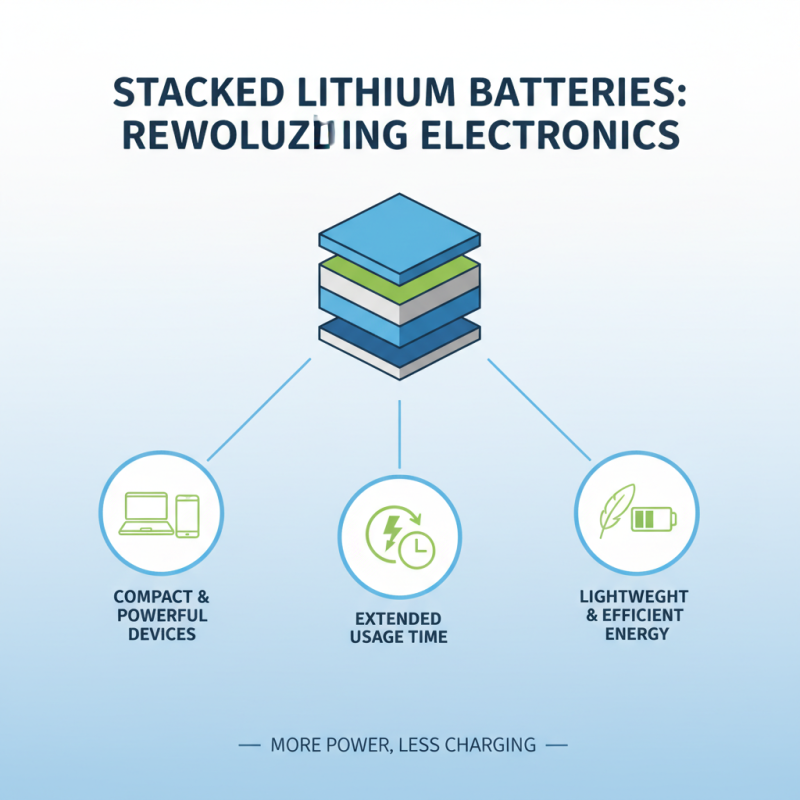
In today's technology-driven world, the role of energy storage is crucial. Stacked Lithium Batteries have emerged as a leading solution. These batteries are compact, efficient, and powerful. Their unique design allows for higher energy density. This means they can store more energy in less space.
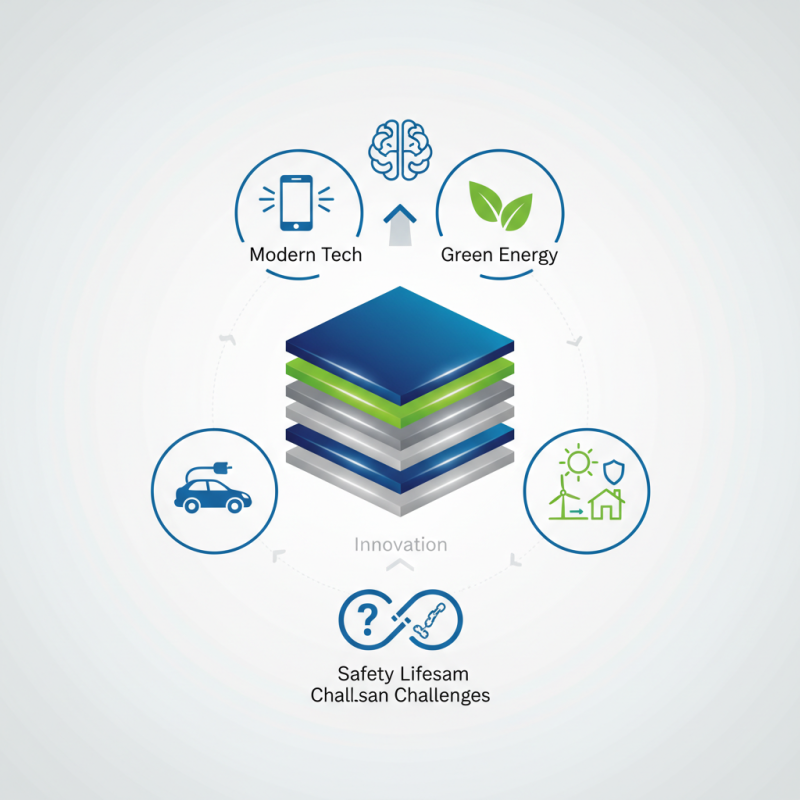
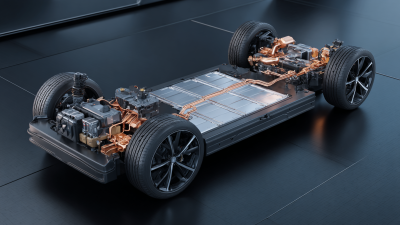
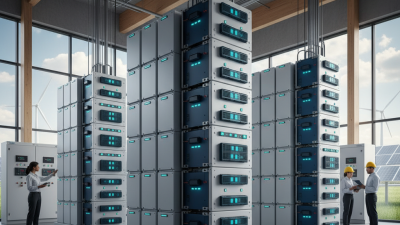
Stacked Lithium Batteries are key for various applications. Smartphones, electric vehicles, and renewable energy systems all rely on them. However, challenges remain in battery safety and lifespan. Innovations continue to improve these areas, but concerns linger. Will future technologies fully address these issues?
The significance of Stacked Lithium Batteries cannot be underestimated. They fuel advancements in tech and green energy. Yet, we must reflect on their challenges. Balancing performance with safety is essential for sustainable growth. This ongoing evolution in battery technology shapes our modern lives.
The Basics of Stacked Lithium Batteries and Their Functionality
Stacked lithium batteries are gaining traction in modern technology. Their design allows for more efficient energy storage and greater power output. This is crucial for devices like smartphones and electric vehicles. The compact structure helps save space, making it easier to incorporate into various gadgets.
Each layer within a stacked battery contributes to its overall performance. The anodes and cathodes are closely arranged, allowing for faster charging cycles. However, this configuration can make heat management a challenge. If not handled properly, excess heat can degrade the battery’s lifespan.
Reliability remains a concern as well. Despite advancements, not all stacked lithium batteries achieve uniform performance. Variability in manufacturing can lead to inconsistencies. This is something developers need to address to ensure better quality control in production. Balancing efficiency and safety continues to be a pressing issue.
Key Advantages of Stacked Lithium Batteries in Modern Technology
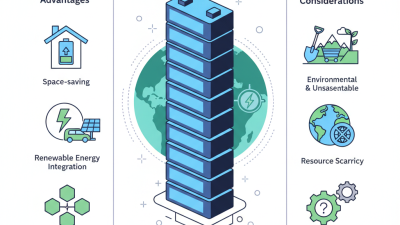
Stacked lithium batteries bring significant advantages to modern technology. Their compact design allows for higher energy density. This means devices can run longer without adding bulk. Many gadgets today require slim, lightweight batteries that provide substantial power. Stacked configurations fit this need perfectly. They optimize space and enhance performance simultaneously.
Another key benefit is their heat resistance. During high-energy use, heat can degrade battery life. Stacked designs often come with improved thermal management. This can prolong battery longevity and efficiency. As technology advances, managing battery health becomes increasingly crucial. Stacked lithium batteries can address these challenges effectively.
Despite these benefits, challenges remain. Manufacturing complexities can lead to inconsistencies in quality. Not all stacked batteries perform equally, which raises concerns for consumers. Additionally, the recycling process can be complicated. Understanding these limitations is essential as we embrace new tech solutions. Balancing innovation with practicality is vital for the future of energy storage.
Why Are Stacked Lithium Batteries Important for Modern Tech? - Key Advantages of Stacked Lithium Batteries in Modern Technology
| Advantage |
Description |
Application |
Impact |
| High Energy Density |
Allows for more energy storage in a compact size. |
Smartphones, Laptops |
Longer usage time between charges. |
| Lightweight |
Reduces overall weight of devices. |
Drones, Electric Vehicles |
Improves portability and maneuverability. |
| Fast Charging |
Supports rapid recharging capabilities. |
Electric Cars, Power Tools |
Decreases downtime for users. |
| Extended Lifespan |
Offers more charge cycles than traditional batteries. |
Renewable Energy Storage |
Reduces replacement costs over time. |
| Safety Features |
Includes thermal management and protection circuits. |
Consumer Electronics |
Enhances user safety and product reliability. |
Applications of Stacked Lithium Batteries in Consumer Electronics
Stacked lithium batteries have transformed consumer electronics in remarkable ways. These batteries are compact yet powerful, providing long-lasting energy for devices we use daily. Laptops, tablets, and smartphones all benefit from their lightweight design and high energy density. Users enjoy longer usage times, reducing the frequent need for recharging.
However, the integration of these batteries isn't without challenges. Some devices experience heating issues, which can hinder performance. Safety remains a constant concern as well. While manufacturers aim for better thermal management, incidents of battery failures still occur. These situations remind us how crucial reliable technology is in our lives.
As we push for thinner and lighter designs, sacrifices may be made in durability and lifespan. Users may find their devices less resilient over time. Moreover, the sustainability of lithium mining raises ethical questions. Exploring alternative materials could lead to better solutions. But for now, stacked lithium batteries remain integral to our tech landscape.
Environmental Impact and Sustainability of Stacked Lithium Batteries
Stacked lithium batteries play a crucial role in modern technology. These batteries are compact and efficient. They power everything from smartphones to electric vehicles. However, their manufacturing and disposal raise important environmental questions.
The production of stacked lithium batteries relies on raw materials like lithium and cobalt. Mining these minerals can harm ecosystems and deplete water sources. The carbon footprint of battery manufacturing is significant. Despite their convenience, we must consider the hidden costs. Recycling options are limited, leading to waste issues.
Sustainability is a pressing concern. Stacked batteries should be designed with longevity in mind. Innovations in recycling technologies can help. We need to reflect on how we can minimize harm to the planet while enjoying the benefits of these batteries. While stacked lithium batteries have transformed our tech landscape, a more sustainable approach is essential.
Future Trends in Stacked Lithium Battery Technology and Innovation
The future of stacked lithium battery technology is bright but complex. Innovations in this field aim to enhance energy density while reducing weight. With more devices requiring power, increasing efficiency is crucial. Researchers are exploring new materials to achieve this. Solid-state batteries show promise, potentially replacing liquid electrolytes. These advancements could revolutionize energy storage for devices like smartphones and electric vehicles.
However, challenges exist. Manufacturing processes can be costly and time-consuming. Safety concerns also linger, as some materials may pose risks if not handled properly. Improving production methods will be essential for mass adoption. There’s also the need for recycling solutions. As demand for lithium batteries grows, so does the environmental impact of waste. Addressing these issues requires collaboration across industries.
Trend forecasting suggests a shift towards modular designs. This could allow easier upgrades and repairs. Users may prefer customizable battery systems that cater to their unique needs. Such flexibility can empower innovation, leading to unexpected breakthroughs. The path forward involves learning from what doesn't work. Reflection on current limitations can inspire new solutions.
Importance of Stacked Lithium Batteries in Modern Technology
The chart above illustrates the key performance metrics comparing stacked lithium batteries to traditional lithium batteries. Stacked lithium batteries show superior energy density, longer cycle life, and faster charging times, making them vital for advancing modern technology.