How to Choose Stackable Lithium Batteries for Your Needs?
Choosing the right Stackable Lithium Batteries can profoundly impact your projects and daily needs. Renowned energy storage expert Dr. Lisa Harrington once stated, "Selecting the appropriate battery technology is crucial for efficiency and reliability." Her insights have helped many understand the importance of informed choices in energy solutions.
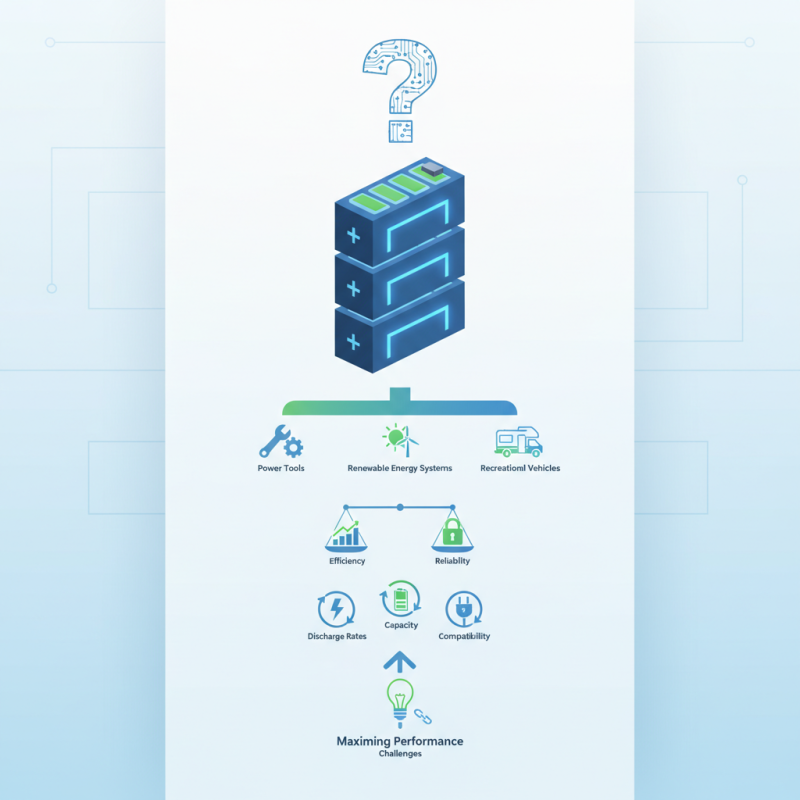
These batteries are versatile and efficient. They allow for flexible configurations based on power requirements. Whether you need them for power tools, renewable energy systems, or recreational vehicles, understanding your specific needs is vital. The wrong choice can lead to inefficiencies or even operational failures.
Yet, the decision-making process is not always straightforward. Factors like discharge rates, capacity, and compatibility with existing systems must be considered. You may find that a solution that worked well for one application fails in another. This awareness can lead to better decision-making and improved user experiences in the long run. The goal is to maximize performance while minimizing potential challenges.
Understanding Lithium Battery Basics and Types
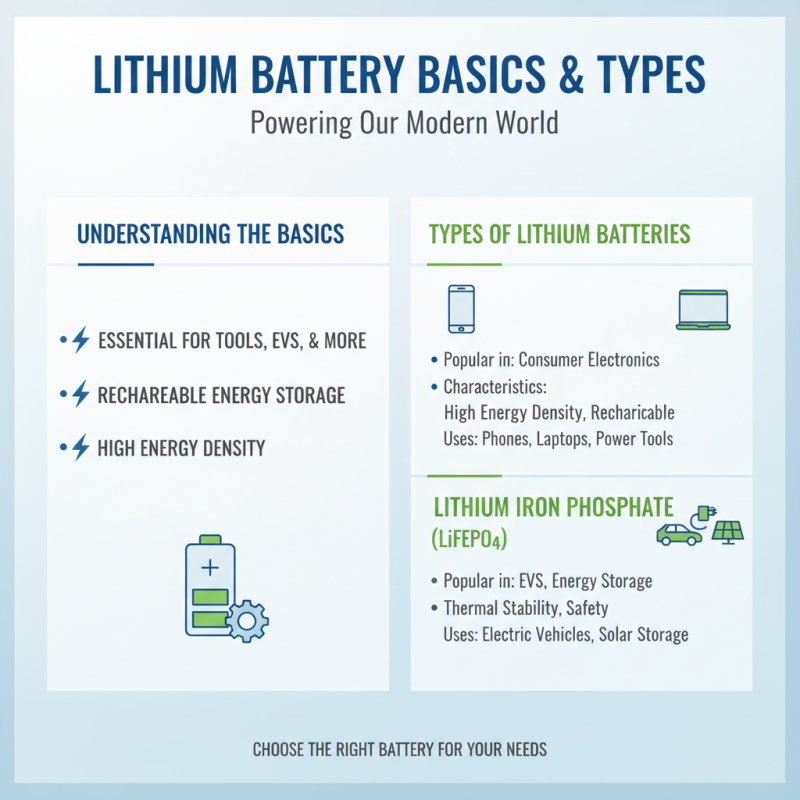
Lithium batteries have become essential for various applications, from powering tools to electric vehicles. Understanding the types of lithium batteries available is crucial. There are several types, each with distinct characteristics and uses. Lithium-ion batteries are popular in consumer electronics due to their high energy density and rechargeability. Lithium iron phosphate (LiFePO4) batteries, on the other hand, are known for their thermal stability and safety during operation.
When considering stackable lithium batteries, it is vital to evaluate capacity and discharge rates. A smaller battery might fit your space but may not offer sufficient power. Balancing size with performance is often challenging. This decision can lead to operational inefficiencies if not carefully addressed. Additionally, pay attention to the battery's cycle life. A battery that lasts longer can save money in the long run.
Safety is another important aspect. Batteries have been known to fail if improperly used or charged. This raises important questions regarding your installation and usage practices. Reflect on your energy needs and consider how battery management systems can enhance performance and safety. Not all solutions fit every situation. Make an informed decision by gathering reliable information and understanding your specific requirements.
Evaluating Your Power Needs and Usage Scenarios
When selecting stackable lithium batteries, understanding your power needs is essential. Assess your daily energy consumption. Take note of devices you power regularly. For instance, a small home typically requires around 10-30 kWh per day. In contrast, larger setups may need significantly more. Understanding these variations helps in choosing the right battery capacity.
Consider the usage scenarios as well. For recreational activities, such as camping or boating, you might need batteries with higher discharge rates. Data shows that consuming energy at peak times can lead to 50% more usage costs. It is crucial to align battery specifications with your peak demand to avoid inefficiencies.
Battery lifespan should also be on your radar. The average lithium battery lasts around 10 years but may degrade faster under heavy use. Regularly monitoring performance can help you identify when to replace batteries. Noticing a drop in efficiency early can save costs and inform better future choices. Be open to adjusting your selection criteria as new technologies emerge. Your initial preference may not always fit changing requirements.
Key Features to Consider in Stackable Lithium Batteries
When choosing stackable lithium batteries, consider their key features carefully. One major aspect is capacity. This determines how much energy the battery can store. Higher capacity batteries last longer between charges. Look for ratings that match your usage.
Another important feature is discharge rate. It impacts how quickly the battery can provide power. If you need high bursts of energy, a high discharge rate is essential. This feature helps in applications like power tools or electric vehicles.
Tip: Always check the battery’s cycle life. A longer cycle life means the battery will last through more charge and discharge cycles. This can save money in the long run.
Weight and size are also critical. Stackable batteries should fit well in your available space. They should be lightweight for easy transport without compromising performance. Consider safety features, too. Protection from overheating or short-circuiting is vital.
Tip: Experiment with different configurations. Some setups might work better than others. Don't rush; take time to find what best suits your needs.
Comparing Brands and Models for Quality and Performance
Selecting the right stackable lithium batteries can impact your projects significantly. Quality and performance vary among different brands and models. Understanding these differences is crucial for making an informed choice. Look for batteries with high energy density, which allows for longer usage times in compact sizes.
When comparing brands, consider the cycle life of each model. Some batteries may last significantly longer than others. Testing data and user reviews can be enlightening. However, be cautious; not all reviews provide accurate information. Real-world usage often uncovers shortcomings that manufacturers may not disclose.
The physical design also matters. Some batteries are designed for specific applications, which could limit or enhance their adaptability. Consider whether you need lightweight options for portability or robust models for stationary use. Reflect on your needs; sometimes, a less popular brand might meet your requirements better. Exploring various options will ultimately lead to a more personalized solution.
How to Choose Stackable Lithium Batteries for Your Needs? - Comparing Brands and Models for Quality and Performance
| Model |
Capacity (Ah) |
Voltage (V) |
Weight (kg) |
Charge Cycles |
Max Discharge Rate (C) |
Temperature Range (°C) |
| Model A |
100 |
12 |
12 |
2000 |
2 |
-20 to 60 |
| Model B |
150 |
24 |
15 |
2500 |
3 |
-10 to 55 |
| Model C |
200 |
48 |
20 |
3000 |
5 |
-30 to 70 |
| Model D |
120 |
36 |
18 |
2200 |
4 |
-15 to 60 |
Assessing Cost and Value for Your Battery Investment
When selecting stackable lithium batteries, cost and value are significant factors. Recent industry reports suggest that the average cost of lithium batteries has decreased by about 80% over the last decade. This drop makes them an attractive option for many applications, from residential energy storage to electric vehicles. However, consumers should analyze long-term costs related to lifespan and efficiency. A battery that lasts longer might have a higher initial price but can prove more cost-effective over time.
Reliability in energy storage is vital. According to the National Renewable Energy Laboratory, high-quality lithium batteries have a cycle life exceeding 2,000 charges. Picking a battery with a solid warranty can also indicate its long-term reliability. Not all batteries meet these expectations; some may perform well initially but deteriorate quickly. It's essential to verify specifications and look for certifications, ensuring you're making a reliable investment.
Value isn’t just about upfront costs. Hidden expenses can arise from installation or maintenance. It's crucial to assess your specific energy needs and potential savings from battery usage. Some situations may require frequent charging, which impacts overall efficiency and cost-effectiveness. Identifying your energy patterns can provide insights into the right choice, enhancing both value and satisfaction with your battery investment.
Comparative Analysis of Stackable Lithium Batteries: Cost vs. Capacity