How to Choose the Best Off Grid Lithium Battery for Your Needs?
Choosing the right Off Grid Lithium Battery can be challenging. Many factors determine the best fit for your needs. Each battery offers unique features and specifications. Understanding these can significantly impact your off-grid experience.
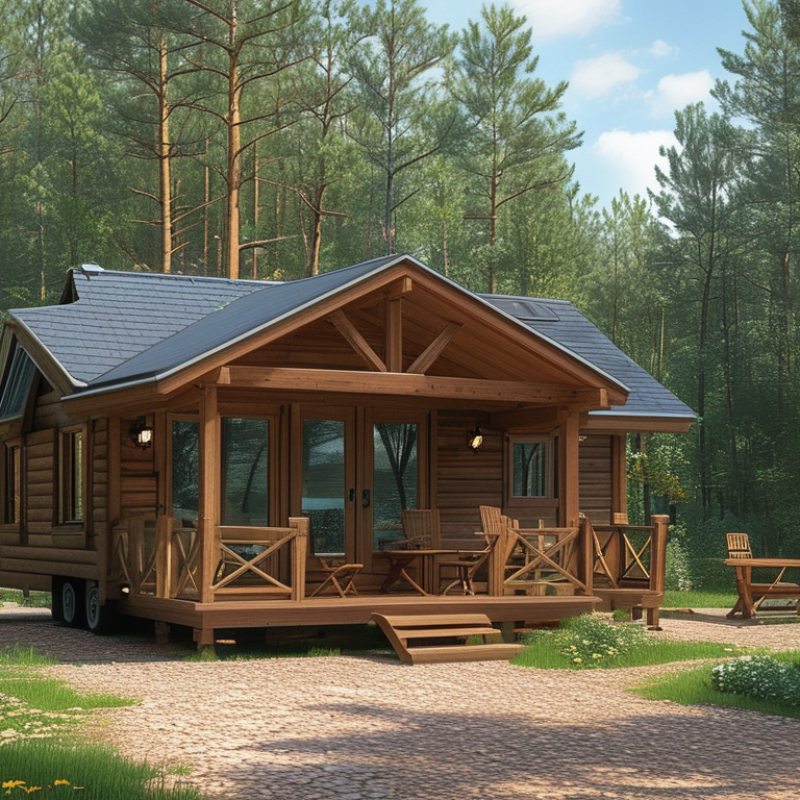
Off Grid Lithium Batteries vary in capacity, lifespan, and charging times. Consider how you will use your battery. Are you powering a cabin or an RV? Knowing your energy consumption is vital. It helps in selecting the right size and model.
Research is essential. Experts have different opinions on the best brands. Reviews can guide you, but personal usage often differs. Take time to reflect on your requirements. A good choice can provide reliable power for years. Missed details can lead to unexpected challenges. Don’t rush the decision.
Understanding Off-Grid Lithium Batteries: Types and Features
When selecting an off-grid lithium battery, understanding the types and features is crucial. Lithium iron phosphate (LiFePO4) batteries are widely known for their safety and longevity. These batteries can endure over 2,000 charge cycles. In contrast, lithium nickel manganese cobalt (NMC) batteries offer high energy density. They typically perform well in applications requiring high discharge rates. Each type serves distinct use cases, depending on your energy needs and system design.
The capacity and discharge rate are critical specifications. Most off-grid systems require batteries with a capacity of at least 100Ah for practical use. A recent industry report noted that users often underestimate the importance of the depth of discharge (DoD). Batteries operating at a 90% DoD may shorten lifespan significantly. It’s essential to balance performance and longevity. Ensure you evaluate your power demands carefully.
Consider the efficiency of the battery as well. The round-trip efficiency can vary on average from 90% to 95%. However, this efficiency can drop in extreme temperatures. Always factor in environmental conditions. This oversight can result in underperformance during crucial periods. Evaluating these characteristics thoroughly can help you choose the right battery for off-grid living.
Key Factors to Consider When Choosing a Lithium Battery
When selecting an off-grid lithium battery, consider several key factors.
Capacity is crucial. Look at your energy needs.
For instance, a household requiring 3,500 watt-hours daily would benefit
from a battery that can deliver at least that much. Reports show that around 80% of users
underestimate their requirements initially.
Another important aspect is the battery's discharge rate. Most lithium batteries can handle around a
0.5C discharge rate. This means for a 100Ah battery,
you can safely draw 50A without damaging it. However, if you continuously
exceed this rate, the battery's lifespan could suffer. Regular performance evaluations are essential.
They can reveal whether you're overworking your battery, leading to premature failure.
Additionally, consider the battery's cycle life. A good lithium battery often promises more than
2,000 cycles. Yet, some users report only 1,500 cycles
due to poor usage practices. Charging methods and temperatures can influence performance, highlighting the
need for user education. Understanding these factors can help ensure you choose the right battery for your
energy independence journey.
Evaluating Battery Capacity and Power Requirements
Evaluating battery capacity and power requirements is crucial for choosing the right off-grid lithium battery. A common rule is to calculate your daily energy needs to determine the required capacity. For instance, if your appliances consume 1,200 watt-hours per day, consider a battery with at least a 1,800-watt-hour capacity. This accounts for energy inefficiencies and helps avoid deep discharges, prolonging battery life.
Power requirements vary based on the devices you intend to use. High-demand appliances, like refrigerators, can require 600 watts or more. Conversely, LED lights may only need 10 watts. Understanding surge power is also vital. Some appliances need extra power when starting up. Misjudging this can lead to insufficient battery performance. Reports suggest that 30% of users underestimate their surge requirements, causing unexpected outages.
It's also important to consider the battery discharge rate. Most lithium batteries can safely discharge around 80-90%. However, frequently discharging to this level reduces the overall lifespan. Research from industry sources indicates that maintaining a 50% discharge threshold can extend a battery's life significantly. Balancing your energy consumption and understanding these capacities will ensure a reliable off-grid power solution.
How to Choose the Best Off Grid Lithium Battery for Your Needs? - Evaluating Battery Capacity and Power Requirements
| Battery Type |
Capacity (Ah) |
Voltage (V) |
Power (W) |
Weight (kg) |
Cycle Life |
| Lithium Iron Phosphate |
100 |
12 |
1200 |
25 |
2500 |
| Lithium Cobalt Oxide |
75 |
12 |
900 |
20 |
2000 |
| Lithium Manganese Oxide |
50 |
24 |
1200 |
15 |
1500 |
| Lithium Nickel Manganese Cobalt |
200 |
48 |
9600 |
30 |
2500 |
Assessing Battery Lifespan and Warranty Options
When assessing battery lifespan and warranty options for off-grid lithium batteries, it is essential to examine various factors. Longevity plays a crucial role in your investment. Most lithium batteries last between 5 to 15 years, but this lifespan varies depending on usage and maintenance. Understanding your energy needs can help you choose a battery with optimal longevity for your specific applications.
Warranty options are vital for ensuring peace of mind. Typically, warranties range from 5 to 10 years. However, read the fine print carefully. Some warranties cover only specific issues or may have strict conditions. Consider a battery with a performance guarantee that follows industry standards. A longer warranty often indicates manufacturer confidence, but always verify their claims.
Remember, not all batteries perform equally in real-world conditions. This variability leads to reflections on your unique energy requirements. Assess whether your off-grid lifestyle may demand more frequent replacements than planned. Research reviews and seek advice from experts to make an informed decision. Relying solely on numbers can be misleading; pay attention to real user experiences as well.
Comparing Cost and Performance of Different Brands
When considering off-grid lithium batteries, understanding cost versus performance is essential. The market offers various brands, each with different specifications. A recent industry report indicates that the average cost per kilowatt-hour (kWh) for lithium batteries ranges from $500 to $800. Yet, not all battery systems perform equally well.
Performance metrics like discharge rate, energy density, and cycle life should be closely analyzed. For instance, some batteries may only achieve 70% efficiency, while others can reach up to 95%. A significant consideration is the longevity of the battery, as some brands offer warranties for up to ten years, which can impact the long-term cost effectiveness.
However, high performance often comes with a hefty price tag. Balancing budget and quality can be challenging. It’s crucial to assess if a lower-priced option truly meets your energy needs. Reading user reviews and independent testing data can provide insight into real-world performance, revealing gaps between advertised specs and actual results.