Why Choose a Solar Battery System for Off Grid Living?
Living off the grid presents unique challenges, especially concerning energy supply. The choice of a Solar Battery System Off Grid becomes crucial for sustainable living. According to a recent report by the International Renewable Energy Agency, off-grid solar systems can reduce energy costs by up to 75% compared to traditional energy sources. This statistic highlights the potential savings and efficiency of solar energy.
Expert Sarah Johnson, a leader in renewable energy solutions, states, “A Solar Battery System Off Grid is not just a choice; it’s a necessity for energy independence.” This speaks to the growing trend of individuals seeking self-sufficiency in energy. However, it’s essential to consider the upfront costs and the maintenance involved in such systems. While there are tempting benefits, one must reflect on the long-term commitment.
For many, the transition to an off-grid solar battery system may feel daunting. It requires careful planning and a willingness to adjust to new lifestyles. Still, the potential rewards, such as reduced reliance on fossil fuels, make it a worthy investment for those ready to take the leap.
Advantages of Solar Battery Systems for Off Grid Living
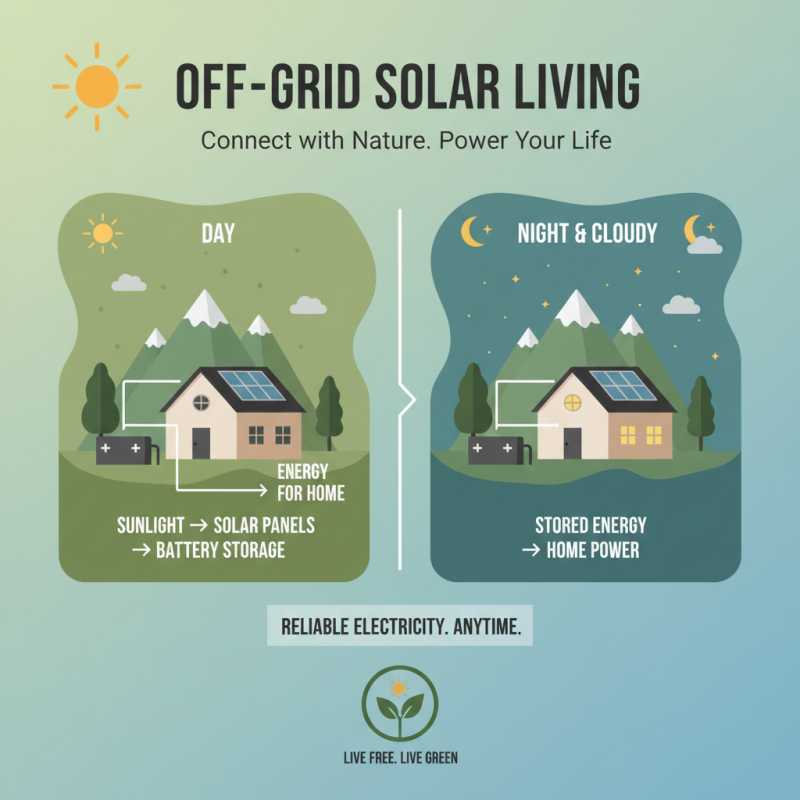
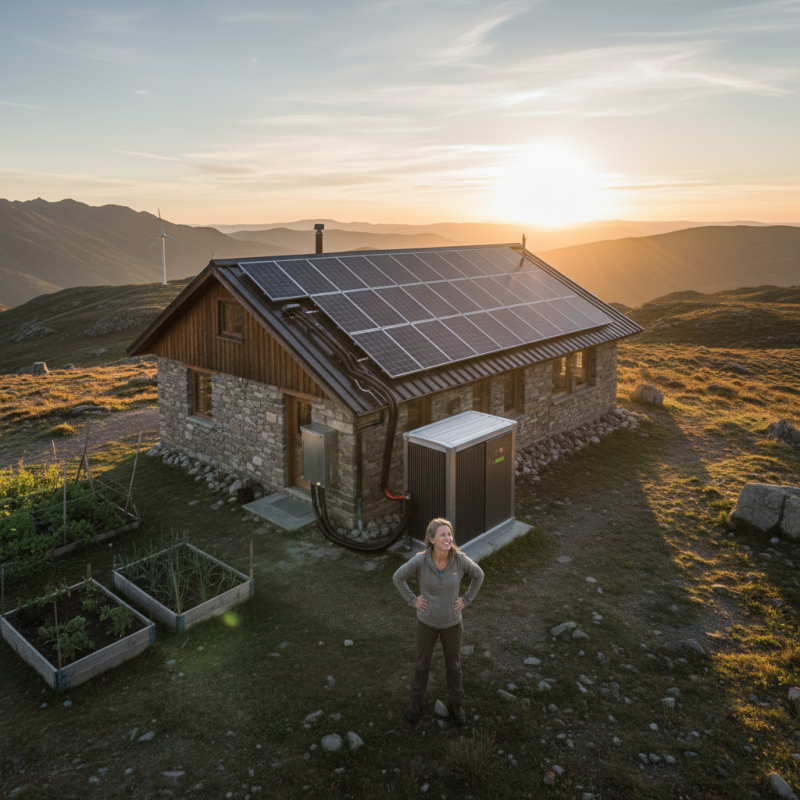
Off-grid living offers a unique chance to connect with nature and reduce reliance on the grid. A solar battery system enhances this experience. It stores solar energy for use when sunlight is scarce. This means you can enjoy electricity even at night or during cloudy days.
Using a solar battery can significantly cut energy bills. Once installed, maintenance costs are low. You harness renewable energy, reducing carbon footprints. However, initial costs can be steep. This investment may take years to pay off. Understanding the long-term benefits is essential.
A solar battery system allows for greater energy independence. With stored power, you control your usage. However, overestimating your needs can lead to wasted resources. It's important to assess your lifestyle realistically. Smart energy management becomes crucial in maximizing benefits.
Key Components of a Solar Battery System and Their Functions
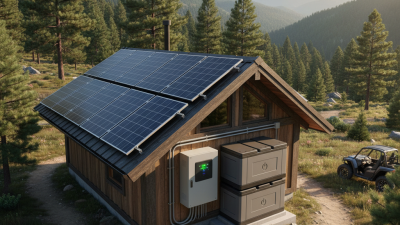
When living off the grid, a solar battery system becomes essential. It stores energy generated from solar panels for later use. This stored energy powers your essentials, making life sustainable and independent.
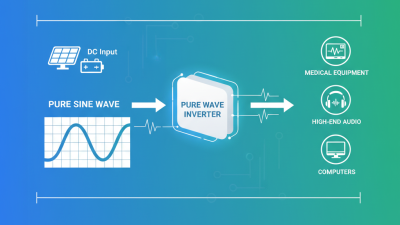
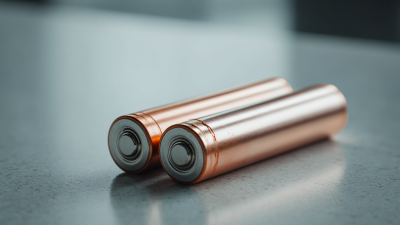
Key components of a solar battery system include batteries, inverters, and charge controllers. Batteries hold the energy. They come in various types like lithium-ion or lead-acid, each with unique pros and cons. Inverters convert the stored DC energy into AC power, which is usable for home appliances. You might find choosing the right inverter tricky.
Charge controllers manage the energy flow. They protect the batteries from overcharging and excessive discharging. This component is vital for battery longevity. Sometimes, people overlook its importance, leading to system failures. Each part plays a role in ensuring a smooth operation, yet achieving the perfect setup takes time and experimentation.
Financial Savings and Return on Investment for Off Grid Solar Systems
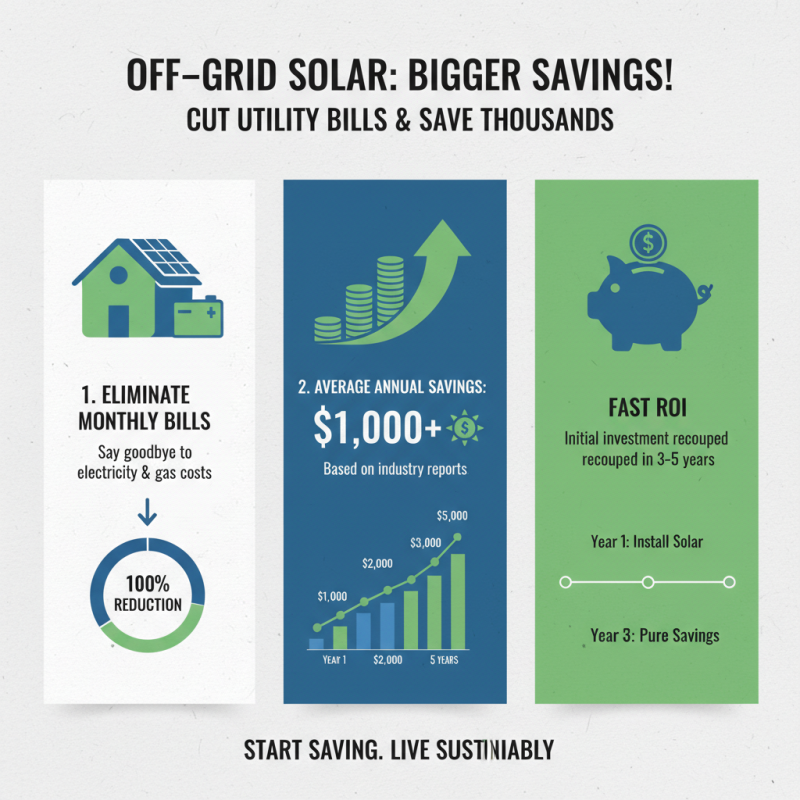
Living off the grid can be financially beneficial, especially with a solar battery system. It significantly reduces or even eliminates monthly utility bills. According to industry reports, homeowners can save an average of $1,000 annually with solar energy. This savings can accumulate rapidly, covering the initial costs within a few years.
The return on investment (ROI) for off-grid solar systems is increasingly appealing. Studies show that the ROI can range from 10% to 30%, depending on location and energy needs. This means every dollar spent could potentially return more over time. In some areas, financial incentives from local governments amplify these savings, making solar systems even more attractive.
**Tip:** Regular maintenance of your solar system can enhance its efficiency. A simple clean-up once or twice a year can improve energy production.
Living off the grid has its challenges. Not every household will capture optimal solar energy. Factors like location, weather, and installation costs can affect savings. Each situation is unique and requires careful planning.
**Tip:** Assess your energy usage thoroughly before investing in solar. Understanding your needs can prevent overspending on an oversized system.
Environmental Impact and Sustainability of Using Solar Battery Systems
Living off the grid with a solar battery system offers numerous environmental benefits. Solar energy is renewable, reducing reliance on fossil fuels. This reliance leads to fewer carbon emissions. It’s crucial to lessen our carbon footprint. Every small step can have a positive impact. Using solar power means cleaner air and a healthier planet for future generations.
However, solar battery systems are not without challenges. They require resources for manufacturing, which can lead to environmental concerns. Mining materials for batteries can be harmful. It’s essential to use responsibly sourced components. Lifespan and recycling options for batteries also need consideration. Not all systems have effective end-of-life solutions.
In making this choice, individuals must weigh personal convenience against environmental costs. How much can we sacrifice for a cleaner world? While solar batteries can be part of the solution, there’s still work to do. Creativity in recycling and energy efficiency can foster sustainability. Let's not forget the real goal: a better environment for all.
Environmental Impact and Sustainability of Using Solar Battery Systems
Storage Capacity and Performance Metrics of Solar Batteries in Remote Areas
Choosing a solar battery system for off-grid living is not just about convenience. It's also about energy independence in remote areas. The performance of solar batteries can significantly impact daily life. For example, typical lithium-ion solar batteries offer a storage capacity of 10 kWh to 20 kWh. This range can support basic appliances for several days, but it's not always sufficient for larger households.
When evaluating solar battery systems, one must consider performance metrics like charge cycles, efficiency, and depth of discharge. The average lithium-ion battery can undergo 3,000 to 5,000 charge cycles. However, performance degrades over time. A battery may only retain 70% to 80% of its original capacity after several years. Remote locations may experience more extreme temperatures, which can affect battery longevity and performance. Data suggests that below-freezing temperatures can reduce energy efficiency by up to 30%.
Another crucial factor is the battery's ability to store energy generated by solar panels. Many batteries come with about 90% efficiency, but this can fluctuate due to environmental factors. Inconsistent sunlight can lead to periods of underperformance. So, while the allure of solar batteries is undeniable, careful consideration and planning are vital to ensure they meet specific energy needs in off-grid living.