How to Choose the Right Powerwall Lithium Battery for Your Home
In recent years, the growing demand for sustainable energy solutions has propelled the popularity of
Powerwall lithium batteries among homeowners looking to optimize their energy consumption.
According to Dr. Emily Carter, a leading expert in battery technology and renewable energy systems,
“Selecting the right Powerwall Lithium Battery not only reduces your electricity bills but also contributes to a more resilient energy infrastructure.”
With a range of options available in the market, it becomes critical for homeowners to understand the key features and specifications that will best suit their energy needs.
When considering the integration of a Powerwall lithium battery into your home,
evaluating capacity, efficiency, and
compatibility with existing solar systems are paramount. Each of these factors plays a crucial role in determining the overall performance and reliability of the battery,
ensuring it meets the specific energy requirements of your household.
As we delve deeper into the selection process, we aim to provide homeowners with the insights necessary to make informed decisions that align with their sustainability goals.
Factors to Consider When Selecting a Powerwall Lithium Battery for Home Use
When selecting a Powerwall lithium battery for home use, there are several key factors to consider.
First and foremost, it is essential to assess your energy needs. Calculate your household's energy consumption to determine the capacity required for the battery system. This includes evaluating peak usage times and identifying which appliances you want the battery to support during power outages or low solar generation periods.
Another critical consideration is the battery's lifespan and warranty. Different models come with varying lifetimes and guarantees, which can significantly impact overall value.
Look for batteries with a long cycle life and a robust warranty to ensure reliability and longevity. Additionally, consider the installation and maintenance requirements.
Ensure you have access to experienced professionals who can properly install the system and provide ongoing support.
Lastly, compatibility with existing solar systems or energy management systems should also be evaluated to maximize efficiency and performance.
Understanding Different Types of Lithium Batteries Available in 2025
In 2025, the landscape of lithium batteries is evolving rapidly, offering homeowners a range of options to meet their energy needs. Lithium iron phosphate (LiFePO4) batteries are gaining popularity due to their safety and thermal stability, making them suitable for residential applications. According to a report by the International Energy Agency (IEA), the adoption of LiFePO4 batteries in home energy storage systems is projected to increase by 35% over the next five years, driven by their long cycle life and enhanced longevity compared to traditional lithium-ion batteries.
Another significant type is the nickel manganese cobalt (NMC) battery, which provides a higher energy density, thereby allowing for more compact installations. The IEA estimates that NMC chemistry will account for approximately 40% of the home energy storage market by 2025. This type of battery is particularly beneficial for homeowners looking to maximize storage capacity without occupying excessive space. As you evaluate battery options, consider how these chemistries align with your energy consumption patterns and environmental goals, keeping in mind the importance of selecting a powerwall that complements your lifestyle and home efficiency.
How to Choose the Right Powerwall Lithium Battery for Your Home
This chart illustrates the various types of lithium batteries available for home use in 2025, showcasing their energy capacity, cycle life, and discharge rate. Understanding these factors will help you make an informed decision when selecting a powerwall battery.
Evaluating Your Home Energy Needs and Consumption Patterns
When considering the right Powerwall lithium battery for your home, it's essential to evaluate your energy needs and consumption patterns. As homes increasingly integrate renewable energy sources, understanding your unique energy requirements is crucial. For instance, according to industry forecasts, the global energy management systems market is expected to surpass $50.11 billion by 2025, driven by a growing awareness of intelligent building solutions and sustainable energy practices. This trend underscores the importance of aligning energy storage solutions with individual household energy consumption.
Moreover, with Taiwan's commitment to achieving net-zero emissions by 2050, there is a significant push towards enhancing the proportion of renewable energy supply. This shift necessitates an effective home microgrid system and user-end power management solutions. By adopting smart energy management practices, homeowners can optimize the use of stored energy, reduce reliance on the grid during peak times, and ultimately contribute to a more sustainable energy future. Understanding your consumption patterns will enable you to select a Powerwall system that not only meets your energy demands but also aligns with the evolving landscape of energy management technologies.
Comparing Performance and Efficiency Metrics of Top Lithium Batteries
When selecting the right Powerwall lithium battery for your home, understanding the
performance and efficiency metrics of top models is crucial. Key metrics to consider include
energy capacity, discharge rates, and cycle life. Energy capacity, measured in
kilowatt-hours (kWh), determines how much energy a battery can store and deliver. A higher capacity means you can power
your home for extended periods, especially during outages or peak electricity rates.
Discharge rates, the speed at which a battery can deliver energy, also play a significant role. Batteries with higher
discharge rates can support heavy loads, which is essential for running multiple appliances simultaneously. Additionally,
cycle life—the number of times a battery can be charged and discharged before its capacity significantly diminishes—
indicates the longevity and overall value of the battery.
Choosing a battery with a longer cycle life can lead to higher efficiency
and reduced costs over time, making it a wise investment for homeowners looking to
maximize their energy storage solutions.
Assessing Budget and Long-Term Value When Choosing a Powerwall Battery
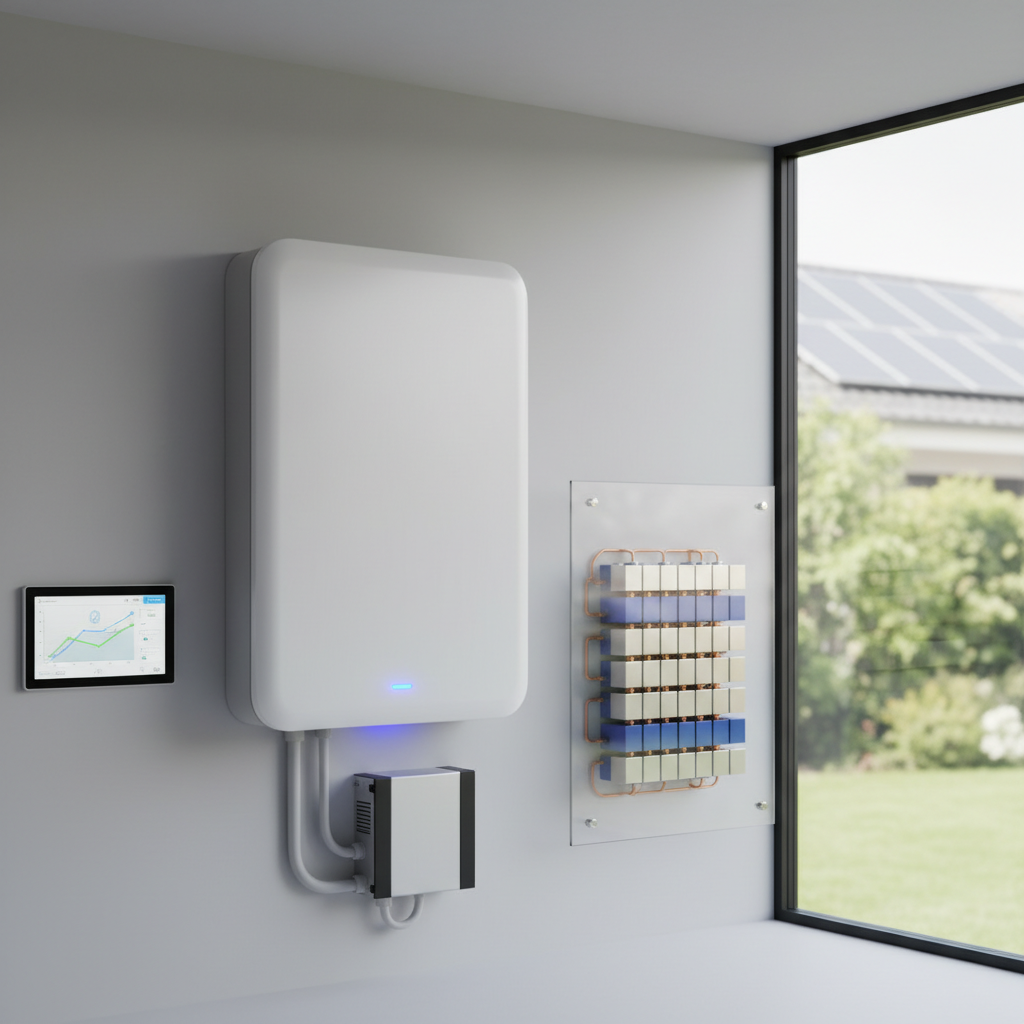
Choosing the right Powerwall lithium battery for your home involves a careful assessment of both budget and long-term value. According to a recent report by the International Energy Agency (IEA), energy storage systems are projected to become critical in achieving net-zero emissions targets, reflecting the growing necessity of such investments. When considering your budget, it's essential to analyze not just the upfront costs but also the potential savings on electricity bills and maintenance over time. The average residential battery system can range from $7,000 to $15,000, but with state incentives and rebates, homeowners may recover up to 30% of these costs.
Tips: Start by researching local tax credits and incentives for renewable energy, as these can significantly alter your budget scenario. Additionally, consider how much energy your household consumes; a system that oversizes for your needs can lead to unnecessary expenditures.
In terms of long-term value, durability and efficiency are critical factors. A high-quality lithium battery typically has a lifecycle of around 10-15 years and a usable capacity that retains significant functionality throughout that period. The U.S. Department of Energy reports that lithium-ion batteries can yield a performance efficiency of over 90%, making their long-term investment more appealing.
Tips: Calculate the return on investment (ROI) by comparing your traditional energy costs with projected savings from battery usage. This will help you understand the battery’s financial benefits over its lifespan.