How to Choose the Right 200Ah 48V Lithium Battery for Your Needs
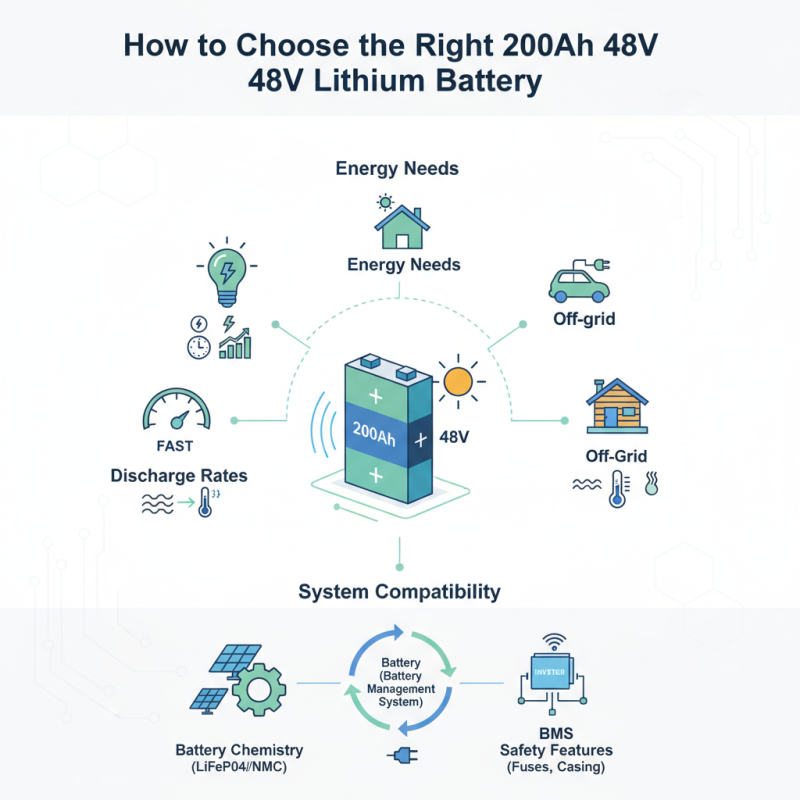
In the ever-evolving world of energy solutions, the choice of a Lithium Battery 200Ah 48V has become increasingly significant for various applications, from solar power systems to electric vehicles. As the demand for efficient and reliable energy storage options grows, understanding the nuances of this specific battery type is essential. Choosing the right Lithium Battery 200Ah 48V involves considering several factors, including energy needs, discharge rates, and compatibility with existing systems.
When selecting the appropriate battery, it is crucial to evaluate your energy requirements meticulously. The 200Ah capacity indicates the amount of energy the battery can store, while the 48V specification reflects its voltage output. These parameters must align with your specific applications to ensure optimal performance and longevity. Additionally, understanding the differences in battery chemistry, management systems, and safety features can dramatically impact your selection process.
This guide aims to simplify the decision-making process by highlighting the key aspects to consider when choosing a Lithium Battery 200Ah 48V. By paying close attention to individual needs and ensuring compatibility with your energy systems, you can confidently invest in a battery solution that meets your requirements and enhances your energy efficiency.
Understanding the Basics of 200Ah 48V Lithium Batteries and Their Applications
When considering the selection of a 200Ah 48V lithium battery, it is essential to understand the key characteristics and applications that define these power sources. Lithium batteries are gaining prominence due to their high energy density and longer cycle life compared to traditional lead-acid batteries. According to a report by ResearchAndMarkets, the global lithium-ion battery market is expected to grow significantly, driven by increasing demand in renewable energy storage and electric vehicles, projected to reach a valuation of USD 151.69 billion by 2025.
In various applications, a 200Ah 48V lithium battery can provide a reliable power solution for both residential and commercial energy systems. These batteries are commonly used in off-grid solar energy systems, electric vehicles, and industrial automation. Their ability to support higher discharge rates and maintain performance over a larger temperature range further enhances their suitability for diverse applications. For instance, a lithium battery can often deliver up to 5000 cycles, significantly outlasting lead-acid counterparts, which can provide around 300-500 cycles. This lifespan improvement not only reduces replacement costs but also promotes sustainability efforts in energy management.
Moreover, lithium batteries incorporate advanced battery management systems (BMS) that ensure optimal performance and safety. These systems monitor voltage, current, and temperature, preventing potential hazards and prolonging battery life. As industries increasingly shift towards renewable energy solutions, understanding the comprehensive capabilities and advantages of 200Ah 48V lithium batteries becomes vital for making informed purchasing decisions.
Comparison of 200Ah 48V Lithium Battery Applications
This chart illustrates the various applications of 200Ah 48V lithium batteries, showcasing their number of usages across different sectors. Solar energy storage and electric vehicles are the most common applications, reflecting the growing trend towards renewable energy and electric mobility.
Key Factors to Consider When Selecting a 200Ah 48V Lithium Battery
When selecting a 200Ah 48V lithium battery, several key factors need to be considered to ensure it meets your specific requirements. First, evaluate the battery's capacity in relation to your energy consumption. Understanding your daily energy needs will help you determine if the 200Ah capacity is suitable for your applications, whether it’s for solar energy storage, electric vehicles, or power backup systems.
Another critical factor is the battery's discharge and charge efficiency. Look for batteries that offer higher efficiency rates to maximize usage. Additionally, consider the depth of discharge (DoD) and cycle life, as these will directly affect the overall longevity and performance of the battery. A battery that can withstand more cycles at a higher DoD will ultimately save you money and hassle over time.
Tips: Always check for reliable certifications and testing reports, as these ensure safety and performance standards. Consider the warranty provided by the manufacturer, as a longer warranty typically signifies confidence in the product. Lastly, pay attention to the battery management system (BMS) features, as a good BMS will enhance operational safety and prolong battery life.
Comparing Performance: Cycle Life and Discharge Rates of Lithium Batteries
When selecting a 200Ah 48V lithium battery, understanding the performance characteristics—particularly cycle life and discharge rates—is crucial for making an informed decision. Cycle life refers to the number of complete charge and discharge cycles a battery can undergo before its capacity significantly diminishes. For applications needing reliable power over extended periods, higher cycle life is advantageous, as it ensures the battery can maintain performance over time without rapid degradation. When evaluating different options, considering the battery's rated cycle life can help determine how long it will serve your needs effectively.
Discharge rates also play a vital role in battery performance, especially for applications that require high bursts of energy. A battery's discharge rate is typically expressed in terms of C-rate, which indicates how quickly a battery can release its stored energy. For instance, a higher C-rate allows for faster power delivery and can be critical for systems that demand immediate power, such as in electric vehicles or backup energy systems. When choosing a battery, it is essential to assess the discharge rates in relation to the specific power needs of your application to ensure that the battery can perform optimally under varying loads. This careful consideration of cycle life and discharge rates will help in selecting the right lithium battery tailored to your requirements.
How to Choose the Right 200Ah 48V Lithium Battery for Your Needs - Comparing Performance: Cycle Life and Discharge Rates of Lithium Batteries
| Battery Model |
Cycle Life (Cycles) |
Discharge Rate (C) |
Weight (kg) |
Warranty (Years) |
| Model A |
3000 |
1C |
30 |
5 |
| Model B |
3500 |
0.5C |
32 |
7 |
| Model C |
2800 |
1C |
28 |
4 |
| Model D |
4000 |
1.5C |
34 |
10 |
Evaluating Safety Features and Certification Standards for Lithium Batteries
When selecting a 200Ah 48V lithium battery, it's crucial to prioritize safety features and certification standards. Lithium batteries, while efficient, can pose risks if not designed or manufactured properly. Therefore, look for batteries that meet recognized safety standards, such as UL, CE, or IEC certifications. These certifications ensure that the battery has undergone rigorous testing for short-circuit faults, thermal stability, and overcharge protection, minimizing the risk of fires or other hazards.
**Tips:**
1. Always check for built-in Battery Management Systems (BMS) that monitor the battery's health and environmental conditions, providing extra layers of safety.
2. Consider the manufacturer's reputation and track record for safety in their lithium battery products. Reviews and ratings can offer insight into real-world performance and reliability.
Moreover, understanding the thermal management systems utilized in the battery is essential. Batteries that include advanced cooling methods can effectively prevent overheating, enhancing overall safety. Prioritize options with robust casing and impact resistance, as these features can protect the internal components from damage, ensuring a longer lifespan and safer operation.
Cost Analysis: Budgeting for a Quality 200Ah 48V Lithium Battery Setup
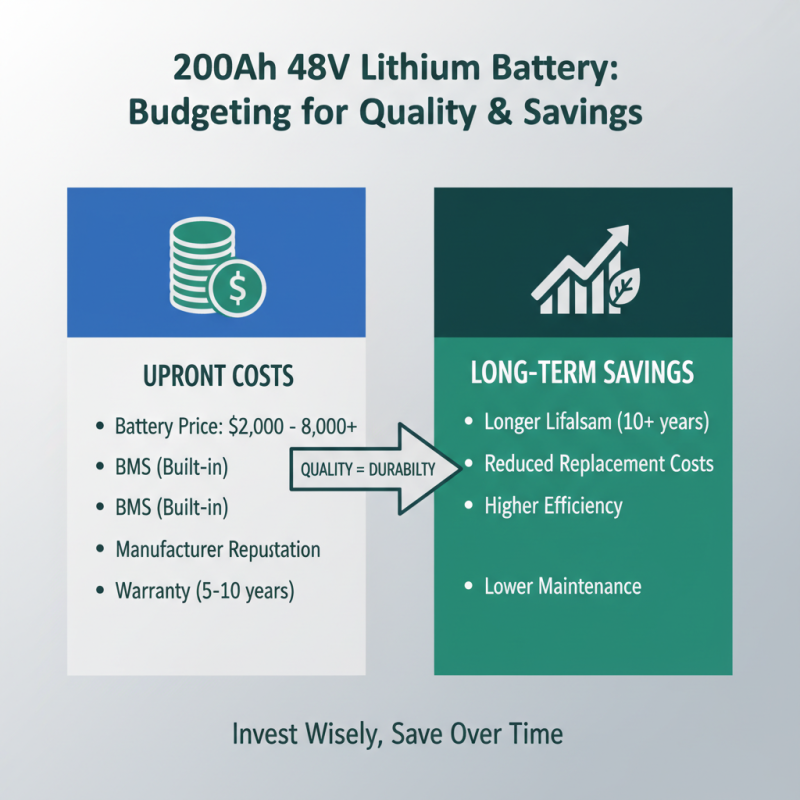
When budgeting for a quality 200Ah 48V lithium battery setup, it's essential to factor in both the upfront costs and potential long-term savings. First, consider the price range of lithium batteries, which can vary significantly based on capacity, manufacturer reputation, and additional features like built-in battery management systems. Aim to balance initial investment with the anticipated lifespan of the battery, as higher-quality options often come with better warranties and longer durability, which can result in lower replacement costs over time.
In addition to the battery itself, budget for ancillary components that enhance the performance of your setup. This includes the cost of a suitable inverter, charging equipment, and installation expenses. All these elements contribute to the overall functionality and efficiency of your energy system. Additionally, think about the savings on maintenance and energy costs that a well-chosen lithium battery can provide compared to traditional lead-acid alternatives, which may require more frequent replacements and upkeep. A thorough cost analysis will ensure that you select a solution that meets your energy needs while being mindful of your financial constraints.