Choosing the best Lithium Home Battery for 2026 is not simply a matter of finding the largest capacity. A battery may look impressive on paper, yet perform poorly in a cold garage, during cloudy weather, or under repeated evening loads. Real homes reveal these differences quickly. A refrigerator starts. An induction cooker follows. Suddenly, usable power matters more than marketing claims.
This guide examines the factors that deserve careful attention, including usable capacity, round-trip efficiency, warranty terms, safety systems, installation requirements, and software quality. It also considers battery chemistry, inverter compatibility, backup performance, and expected daily cycling. These details can affect comfort, energy savings, and long-term reliability. Manufacturer specifications provide a useful starting point, but independent testing and installer experience often reveal important limitations.
There is no perfect battery for every household. A small apartment may need compact backup power, while a rural home may require several days of storage. Solar production, local electricity rates, climate, and future energy demand also change the decision. Some ratings can be difficult to compare fairly. Even experienced buyers may overlook standby losses or replacement costs. That is worth admitting.
The following overview compares leading options for 2026 through a practical, evidence-based lens. It aims to separate genuine performance from attractive promises. Readers should still confirm local installation rules and consult qualified professionals before purchasing. A reliable choice should fit the home, the budget, and the way energy is actually used.
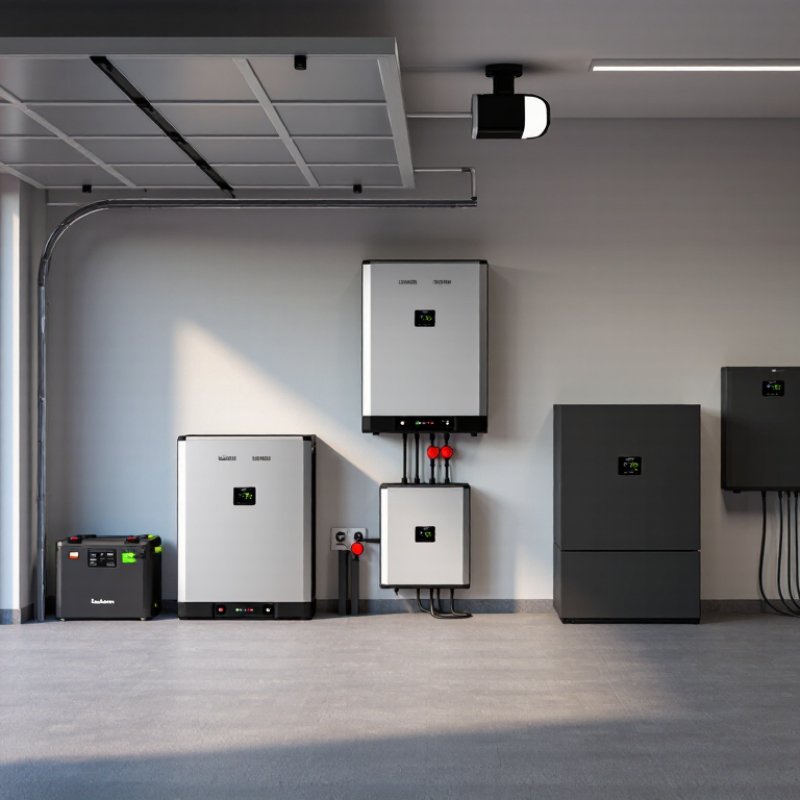
Lithium home batteries store electricity for use when the grid is down or power costs more during peak hours. Inside, lithium ions move between two electrodes as the battery charges and discharges. A battery management system monitors voltage, temperature, and current to help keep operation within safe limits. It is not magic. Heat, age, and repeated cycling all affect performance.
Most home systems use lithium iron phosphate or nickel-based lithium chemistry. Each has different trade-offs in energy density, operating characteristics, and cycle life. The right fit depends on household loads, available space, climate, and how often the battery will cycle. Check usable capacity, continuous power output, warranty terms, and compatibility with the inverter. A kilowatt-hour rating alone can be misleading.
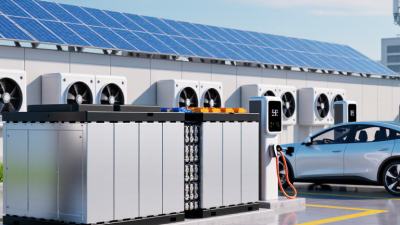
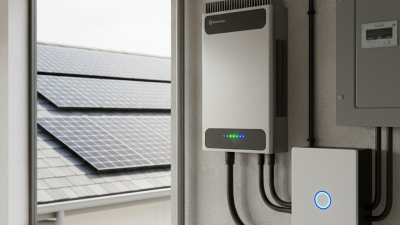
Picture a refrigerator, router, and a few lights running during an outage. Their combined demand matters as much as stored energy. Installation quality matters, too: a cool, dry location and correctly sized wiring can support dependable operation. Still, no battery lasts forever, and real-world performance may differ from a brochure. Compare tested specifications and ask a qualified installer to assess your actual usage.

A useful comparison starts with your household’s actual needs. Check usable capacity, measured in kilowatt-hours, and continuous power output, measured in kilowatts. Capacity indicates how long a battery may run appliances; power determines which appliances can run together. A fridge, lights, and router need less output than an electric range or heat pump. Read both figures. One number is not enough.
Look closely at efficiency, warranty terms, and expected operating conditions. Efficiency affects how much stored energy is available later, while warranty coverage may specify years, energy throughput, or remaining capacity. Ask how the system handles cold or hot conditions, and whether it needs a compatible inverter or additional equipment. Details matter. Also consider where the battery will sit: a garage wall with clear access is different from a cramped utility closet. Installation and ventilation requirements vary by system, so confirm them with a qualified installer.
For backup power, identify the circuits you truly want to keep running during an outage. A battery may support essential loads without powering every appliance at once. Expandability can help, but added units may bring extra costs and installation work. I would compare written specifications and local installation quotes side by side; it is easy to overvalue a large capacity figure and miss a limiting power rating.
What Is the Best Lithium Home Battery for 2026?
The best lithium home battery depends on usable capacity, not its advertised size. A 10 kWh system may provide less after reserve limits and conversion losses. For a typical home, 10–15 kWh can cover evening loads, refrigeration, lighting, and internet equipment. Larger homes may need 20 kWh or more. However, extra capacity can remain unused during mild weather. That is an expensive weakness.
Power output matters just as much. Capacity stores energy, while output determines how many appliances run together. A battery offering 5 kW continuously may support essential household circuits. A 10 kW system gives more flexibility for pumps, kitchen appliances, or short motor surges. Check continuous and peak ratings separately. The numbers are often confused.
Efficiency also affects daily value. NREL’s 2024 Annual Technology Baseline uses approximately 85% round-trip efficiency for lithium-ion storage. In practical terms, 10 kWh charged may deliver about 8.5 kWh back. Lifespan depends on temperature, charging depth, and cycling frequency. NREL models around 15 years for lithium-ion systems, while industry testing commonly shows capacity fading before that point. The IEA’s 2024 battery report also notes rapid cost reductions and growing stationary-storage demand, but lower prices do not remove degradation. I would compare usable capacity after ten years, not only day-one specifications. Real homes are messier.
There is no single best choice: usable capacity, power output, efficiency, and lifespan should match your household’s needs. The chart compares typical cycle-life ranges by lithium-ion chemistry; actual performance depends on the product, operating conditions, and warranty.
Typical planning ranges: Residential systems commonly offer around 5–20 kWh of usable capacity, 3–10 kW of continuous output, and roughly 85–95% round-trip efficiency. Compare warranted capacity and operating conditions as well as cycle-life claims.
Safety and compatibility matter more than a headline capacity number. Check that the battery and inverter are approved to work together, and confirm the system supports your home’s electrical service. A qualified installer should assess the panel, wiring, ventilation, and mounting surface before quoting. Keep required clearances around the unit; a crowded garage corner may be convenient, but it can complicate access and heat management. NREL’s 2024 Annual Technology Baseline models residential battery round-trip efficiency at about 85%. That is a useful benchmark, not a promise for every installed system.
Ask how the battery manages faults, reports warnings, and shuts down during an abnormal condition. Request installation documents, commissioning results, and a clear process for servicing the system. Warranty terms deserve close reading: compare years, energy throughput limits, retained capacity, and exclusions. A long term alone says little if the coverage conditions are narrow. Also confirm who handles a claim if the installer is no longer available. Small details matter. I would not choose a system from a brochure alone; real home loads and installation conditions can expose assumptions that looked fine on paper. Check local requirements with the installer, and leave room for uncertainty when estimating backup time.
Choosing the best lithium home battery in 2026 starts with your actual energy use, not the largest capacity on a product sheet. Check a year of electricity bills and note which appliances must stay on during an outage. A refrigerator, lights, router, and medical equipment may need less energy than whole-home backup. Small details matter.
Compare usable capacity with continuous power output. Capacity tells you how long stored energy may last; output determines which appliances can run together. Check that the battery works with your inverter and solar system, if you have one. Lithium iron phosphate batteries are often chosen for home storage because of their stable chemistry and long cycle life, but installation quality and operating conditions still matter. Ask for clear figures on usable energy, expected cycles, warranty terms, and performance in your local climate.
Plan for tomorrow, but be realistic. An electric vehicle or heat pump could change your needs, while a guessed estimate can lead to an oversized system. Consider where the unit will sit, how noise and ventilation are handled, and whether a qualified installer can service it. Check the backup switchover time if brief power interruptions concern you. There is no perfect choice. A written load assessment may reveal that a smaller battery fits better.
| Selection Factor | What to Look For | Typical Guidance | Why It Matters |
|---|---|---|---|
| Battery chemistry | Lithium iron phosphate (LFP) or nickel manganese cobalt (NMC) | LFP is widely used for stationary home storage because of its thermal stability and long cycle life. NMC can offer higher energy density in a smaller space. | Choose based on safety priorities, available installation space, system design, and the manufacturer’s documented performance. |
| Usable capacity | Usable kilowatt-hours (kWh), not just nominal capacity | About 5–15 kWh can suit partial-home backup or daily solar shifting; larger homes or longer backup needs may require 15–30 kWh or more. | Estimate essential loads and the number of hours you want to run them. Heating, cooling, cooking, and electric vehicle charging can increase demand substantially. |
| Continuous power output | Continuous output in kilowatts (kW), plus short-duration surge rating | Many residential systems provide roughly 3–10 kW of continuous power per battery or system configuration; actual ratings vary. | Capacity determines how long energy lasts; power determines how many appliances can run at once. Check motor-starting requirements for pumps and compressors. |
| Round-trip efficiency | Efficiency for the complete system, including inverter losses where specified | Battery-level figures are often around 90–96%; whole-system AC efficiency may be lower, commonly around 85–92%, depending on the configuration and test conditions. | Higher efficiency means less energy is lost during charging and discharging. Compare figures measured on the same basis. |
| Cycle life and degradation | Cycle-life test conditions, remaining-capacity guarantee, and energy-throughput limit | Some residential LFP products are specified for several thousand cycles, often around 3,000–6,000 under stated conditions. NMC figures vary and may be lower; specifications are not directly comparable. | Cycle life depends on temperature, depth of discharge, charge rate, and operating controls. Read the full warranty rather than relying on a cycle count alone. |
| Warranty | Coverage period, retained capacity, throughput limit, and operating conditions | A 10-year warranty is common in the residential market, but capacity retention and energy-throughput terms differ by product and region. | A warranty’s practical value depends on its exclusions, installation requirements, and the service process available in your area. |
| Backup capability | Backup gateway or transfer equipment, supported circuits, and grid-isolation capability | Backup is not automatic with every battery installation. Some systems back up selected circuits; others can support more of the home when correctly sized and configured. | Confirm whether the system can operate during a grid outage, how quickly it switches, and whether solar panels can recharge it while the grid is down. |
| Solar and inverter compatibility | AC-coupled or DC-coupled design, inverter compatibility, and expansion options | Both AC- and DC-coupled systems are common. Compatibility depends on the existing solar inverter, battery controls, and local electrical requirements. | Check compatibility before purchase, especially when adding storage to an existing solar installation. |
| Operating temperature | Specified charging and discharging temperature ranges, plus heating or cooling provisions | Permitted ranges vary by system. Charging lithium batteries below freezing may require controls or battery heating. | Installation location and local climate can affect performance, safety controls, and warranty coverage. |
| Installation and safety | Certified equipment, approved installation, clearances, and local code compliance | Requirements vary by country and jurisdiction. Use a qualified installer and confirm applicable electrical, fire, and building rules. | Correct placement, protection, commissioning, and permitting are essential to safe and reliable operation. |
| Total value | Installed cost, usable capacity, efficiency, warranty, incentives, and expected energy use | Compare quotes using the same usable capacity, backup scope, installation work, and warranty assumptions. | The best battery is the one that matches your load, backup goals, solar setup, budget, and local utility rules—not necessarily the largest system. |
Note: Figures are general residential-market guidance, not specifications for a particular product. Confirm current datasheets, warranty terms, local code requirements, and installer recommendations before choosing a system.