Top Benefits of Lifepo4 100ah 48v Batteries for Energy Storage Solutions
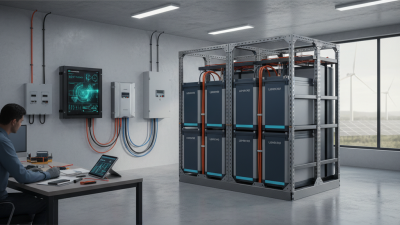
In today's rapidly evolving energy landscape, the demand for efficient and reliable energy storage solutions has never been greater. As we strive for sustainable alternatives, the Lifepo4 100ah 48v battery stands out due to its remarkable safety, longevity, and performance. Industry expert Dr. Jane Thompson, a leading authority in renewable energy technologies, emphasizes the significance of such advancements, stating, “The Lifepo4 100ah 48v batteries are not just a trend; they are a pivotal component for a sustainable energy future.”
These innovative batteries offer users a plethora of advantages, including enhanced energy density and longer life cycles compared to traditional lead-acid batteries. Their robust design ensures minimal degradation over time, making them an ideal choice for both residential and commercial energy storage applications. Furthermore, the Lifepo4 100ah 48v battery's thermal stability contributes to its safety, minimizing the risks often associated with energy storage systems.
As we delve deeper into the top benefits of Lifepo4 100ah 48v batteries, it becomes clear that they represent a significant leap towards achieving efficient energy consumption and storage. From reducing environmental impact to providing reliable power during outages, understanding these benefits is crucial for embracing the future of energy solutions.

Overview of Lifepo4 100Ah 48V Batteries and Their Applications
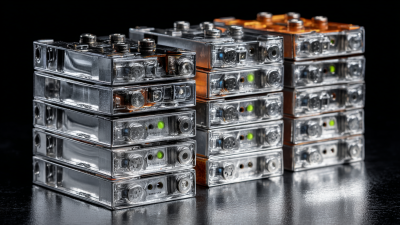
Lifepo4 100Ah 48V batteries have gained significant traction in the realm of energy storage solutions, primarily due to their superior performance and safety features. These batteries utilize lithium iron phosphate as the cathode material, which contributes to their thermal stability and longevity. With a capacity of 100 amp-hours, they provide a reliable power source for various applications, making them particularly suitable for renewable energy systems, electric vehicles, and backup power supplies.
The versatile nature of Lifepo4 100Ah 48V batteries allows them to be effectively deployed in both residential and commercial settings. In solar energy systems, they store excess energy generated during the day for use when sunlight is not available, thus ensuring a continuous power supply. Additionally, their high cycle life—often exceeding 2000 charge-discharge cycles—minimizes the need for frequent replacements, translating to lower long-term costs. Moreover, their lightweight design and compact size enable easier installation and integration into existing systems, enhancing overall efficiency and usability in various energy storage projects.
Top Benefits of Lifepo4 100ah 48v Batteries for Energy Storage Solutions
| Feature |
Details |
| Battery Type |
LiFePO4 (Lithium Iron Phosphate) |
| Capacity |
100Ah |
| Voltage |
48V |
| Cycle Life |
Up to 2000-5000 cycles |
| Energy Density |
Higher than Lead-acid batteries |
| Weight |
Approximately 28-30 kg |
| Safety |
Less prone to thermal runaway compared to other lithium batteries |
| Applications |
Solar energy storage, electric vehicles, UPS systems |
| Charge Time |
4 to 6 hours with a proper charger |
Key Advantages of Lifepo4 Batteries for Energy Storage Solutions
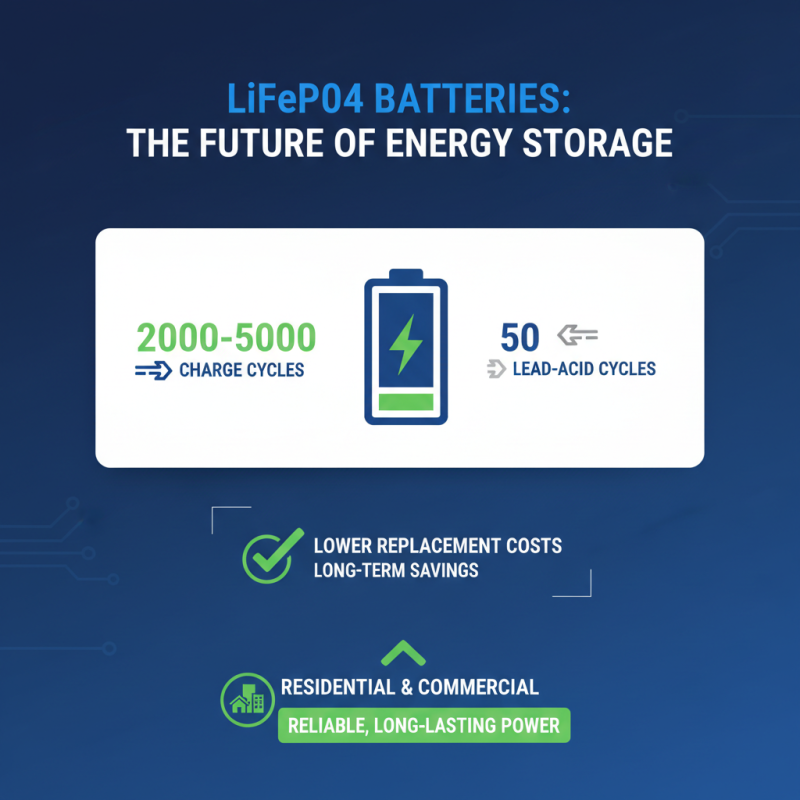
Lifepo4 (Lithium Iron Phosphate) batteries are rapidly becoming the go-to choice for energy storage solutions, particularly in applications requiring reliable performance and longevity. One of the key advantages of Lifepo4 batteries is their impressive cycle life; they can typically endure 2000 to 5000 charge cycles, depending on usage conditions, compared to conventional lead-acid batteries, which may only last around 500 cycles. This extended lifespan translates to lower replacement costs over time, making Lifepo4 batteries a financially sound investment for both residential and commercial energy storage systems.
Another significant benefit is safety. Lifepo4 batteries are known for their thermal stability and low risk of overheating, which is crucial in preventing battery-related hazards. A report from the International Energy Agency indicates that battery safety is one of the most critical factors driving adoption in renewable energy sectors. Additionally, Lifepo4 batteries feature a higher energy density than traditional lead-acid options, allowing for more compact energy storage solutions that are easier to install and maintain.
Tips: When choosing a Lifepo4 battery for your energy storage needs, consider your specific energy requirements and usage patterns. Properly sizing your battery system can optimize both performance and efficiency. Additionally, always ensure that your installation is handled by qualified professionals to maximize safety and longevity.
Comparison of Lifepo4 Batteries with Other Battery Technologies
Lithium Iron Phosphate (LiFePO4) batteries, particularly the 100Ah 48V models, offer significant advantages over traditional lead-acid and even other lithium-ion battery technologies in energy storage solutions. One of the foremost benefits is their enhanced safety profile. LiFePO4 batteries are known for their thermal stability and lower risk of fire and explosion compared to other lithium-ion chemistries, making them a preferred choice for both residential and commercial energy storage systems. According to a report by the International Renewable Energy Agency (IRENA), the adoption of safer battery technologies could increase market confidence and accelerate the transition to renewable energy sources.
When comparing LiFePO4 batteries to lead-acid options, the performance metrics highlight substantial differences. LiFePO4 batteries generally have a cycle life of 2000 to 5000 cycles, while lead-acid batteries typically last only 500 to 1000 cycles. This translates into lower long-term costs and reduced environmental impact over time, as less frequent replacements are needed. Furthermore, LiFePO4 batteries can achieve a discharge efficiency of around 95%, compared to lead-acid’s roughly 70-80%. The U.S. Department of Energy notes that improving battery efficiency is crucial for maximizing the utility of renewable energy resources, solidifying the role of LiFePO4 technologies in energy storage solutions.
Impact of Lifepo4 100Ah 48V Batteries on Renewable Energy Systems
The integration of LiFePO4 100Ah 48V batteries into renewable energy systems is reshaping the landscape of energy storage solutions. These batteries are known for their long cycle life and thermal stability, making them a reliable choice for solar and wind energy applications. Their high energy density allows for efficient storage of energy generated from renewable sources, ensuring that excess power can be utilized during periods of low generation. This capability not only enhances the reliability of renewable energy systems but also contributes to a more stable and efficient grid.
Moreover, the low self-discharge rate of LiFePO4 batteries ensures that stored energy remains accessible when needed, facilitating better energy management. This characteristic is particularly beneficial for off-grid systems and energy contexts where energy availability can fluctuate. In addition to their performance benefits, LiFePO4 batteries are environmentally friendly, offering a sustainable solution that aligns with the goals of reducing carbon footprints and promoting sustainable energy practices. As the demand for effective energy storage solutions continues to rise, LiFePO4 100Ah 48V batteries stand out as a key component in advancing renewable energy systems.
Best Practices for Maintaining Lifepo4 Batteries in Energy Storage Systems
Maintaining LiFePO4 (Lithium Iron Phosphate) batteries effectively is crucial for maximizing their lifespan and performance in energy storage systems. According to the International Energy Agency, proper maintenance can extend the lifecycle of these batteries to over 5,000 charge-discharge cycles, significantly higher than traditional lead-acid batteries. One of the best practices includes monitoring the state of charge (SOC) and ensuring it remains within the optimal range of 20% to 80%. This practice helps to prevent deep discharge and overcharging, both of which can degrade battery performance and shorten lifespan.
Another important aspect is temperature management. LiFePO4 batteries perform best in a temperature range of 20°C to 30°C. Temperatures outside this range can impact efficiency and safety. To protect the batteries, it's recommended to utilize thermal insulation and cooling systems, especially in extreme weather conditions. Furthermore, implementing regular performance checks to identify any potential issues early can help in maintaining the integrity of the energy storage system. A report from the Battery University emphasizes that visual inspections and voltage measurements should be part of routine maintenance, allowing users to address concerns before they escalate into significant problems. By adhering to these best practices, users can ensure that their LiFePO4 batteries provide reliable and sustainable energy storage solutions for years to come.
Top Benefits of Lifepo4 100ah 48v Batteries for Energy Storage Solutions
The following chart illustrates the key benefits of using Lifepo4 100ah 48v batteries in energy storage systems, including their cycle life, discharge rate, efficiency, safety, and environmental impact.