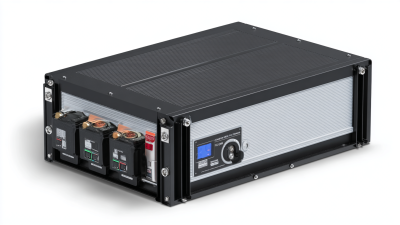
Choosing a Lithium Slimline Battery is rarely about capacity alone. A compact 12V 100Ah model may fit beneath a seat, yet its real value depends on safety, usable energy, charging limits, and long-term performance. This guide introduces ten practical buying tips for comparing slim batteries with greater confidence. It focuses on details that matter after installation, not just attractive figures printed on a product page.
Look beyond the advertised amp-hours. Check the battery management system, continuous discharge rating, low-temperature charging protection, terminal design, and warranty conditions. A battery may claim thousands of cycles, but testing methods can differ widely. Ask how those cycles were measured. Also, confirm that the charger, solar controller, and inverter match the battery’s voltage and charging profile. Small mismatches can create expensive problems.
Real-world experience often exposes what specifications hide. Measure the installation space carefully, including cable bends and ventilation clearance. Feel the weight before lifting it into a storage compartment. Review independent test reports when available, and prefer manufacturers that publish clear manuals and support contacts. Certification marks are useful, but they should not replace careful research. I have learned that a lower price can become costly when replacement access is difficult. Some recommendations may also change as battery technology improves. That uncertainty deserves honest attention. These ten tips will help you question marketing claims, compare reliable evidence, and choose a Lithium Slimline Battery suited to your vehicle, boat, solar system, or backup application. A good fit matters. So does responsible installation.
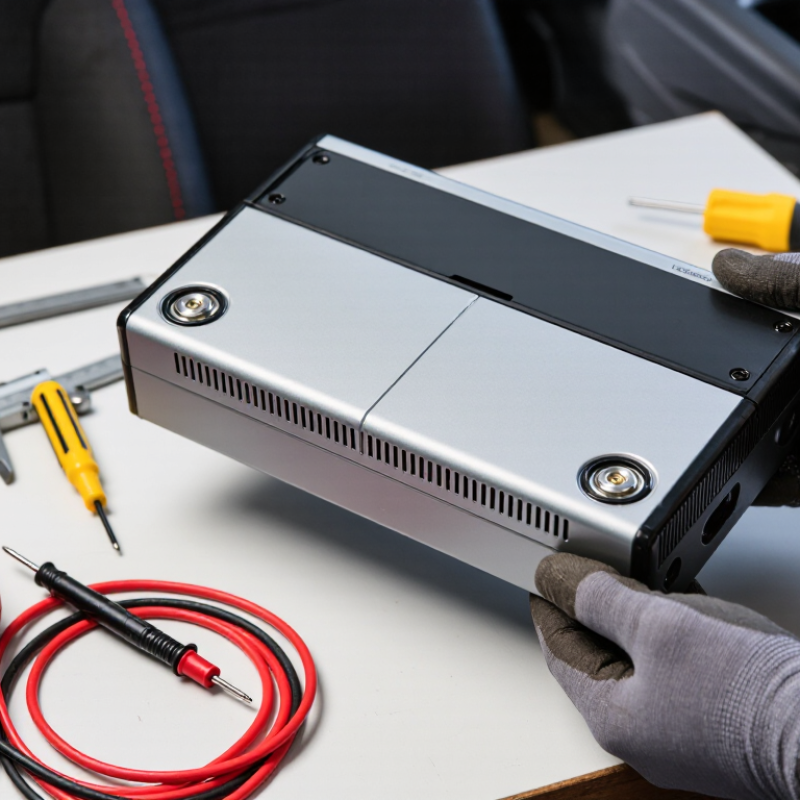
10 Lithium Slimline Battery Buying Tips
Understanding the battery’s basic design makes buying less confusing. A lithium slimline battery uses compact cells, usually with a built-in battery management system. This system helps control charging, temperature, and discharge. Check the battery voltage before comparing capacity. A mismatch can damage equipment or prevent reliable operation.
Measure the installation space carefully, including cable clearance and ventilation access. Slim dimensions are useful in campervans, boats, mobility equipment, solar storage, and emergency backup systems. However, a narrow case does not guarantee easy installation. Confirm terminal positions, mounting direction, continuous output, and peak current. Review the charger’s lithium profile, too. An ordinary charger may not suit the battery’s charging requirements. Cold-weather performance also deserves attention. Some batteries need charging protection below freezing.
My practical mistake was trusting the stated capacity without checking usable capacity. The result was less runtime than expected. Capacity is only one part of the decision. Look for clear testing data, warranty terms, service support, and safety certifications from reliable sources. Avoid placing the battery beside high heat or unsecured metal objects. Secure cables properly, and use protection matched to the system. A simple load test can reveal unexpected voltage drop. Do not skip it. Also, think about future loads, because replacing an undersized battery costs more than planning carefully.
Estimated nominal energy for 100 Ah lithium iron phosphate batteries at common system voltages. Energy is calculated as nominal voltage × capacity: 12.8 V = 1.28 kWh, 25.6 V = 2.56 kWh, and 51.2 V = 5.12 kWh. Actual usable energy depends on the battery management system, discharge limits, temperature, wiring, and inverter efficiency.
10 Lithium Slimline Battery Buying Tips
Matching Battery Capacity, Voltage, and Power Requirements
A slimline lithium battery should match your system, not just fit its compartment. Start by listing every load, such as lights, pumps, refrigerators, and inverters. Record each device’s watts and daily operating hours. Multiply total watts by usage time to estimate watt-hours. Then add a practical reserve, because cold temperatures, aging, and conversion losses reduce usable capacity.
Voltage must match. A battery’s nominal voltage may differ from its charging voltage, so check both values in the technical specifications. Connecting the wrong voltage can damage equipment or trigger protection systems. A 12-volt system, for example, requires compatible chargers, inverters, and cabling. Small errors matter. I would not rely on a label alone; confirm the figures with the installation manual and a qualified technician when necessary.
Power demand also deserves close attention. Capacity tells you how long the battery may run, while power ratings show whether it can handle the load. Compare continuous output with startup or surge requirements from motors and compressors. Check the battery management system’s current limit, too. A battery may have enough watt-hours but still shut down under a short, heavy surge. Measure the load. Cable length, connector quality, ventilation, and ambient temperature can change real performance. The calculation is useful, but never perfectly predictive. Test the system under its actual conditions before depending on it overnight.
| Tip | Selection Dimension | Realistic Data or Calculation | Practical Buying Check |
|---|---|---|---|
| 1 | Calculate the required energy capacity |
Battery energy is estimated with:
Watt-hours (Wh) = Voltage (V) × Capacity (Ah) A 12.8 V, 100 Ah lithium battery has approximately 1,280 Wh of nominal energy. |
Add the watt-hours of all loads and include a suitable reserve for conversion losses and unexpected usage. |
| 2 | Match the battery voltage to the system | Common lithium iron phosphate system ratings are approximately: 12.8 V for a 12 V system, 25.6 V for a 24 V system, and 51.2 V for a 48 V system. | Use the voltage required by the inverter, motor controller, charger, and other connected equipment. |
| 3 | Size capacity for the usable energy, not only the rated capacity | A 12.8 V, 100 Ah battery is rated at about 1,280 Wh. If the design uses 80% of the nominal capacity, the planned energy is approximately 1,024 Wh before inverter and wiring losses. | Compare batteries using usable watt-hours and the manufacturer’s recommended operating limits. |
| 4 | Match continuous discharge power | For a 1,200 W inverter operating at 90% efficiency on a 12.8 V battery: 1,200 ÷ (12.8 × 0.90) ≈ 104 A | Choose a battery, BMS, fuse, cables, and connections that are rated above the calculated continuous current. |
| 5 | Allow for short-term surge loads | Motors, compressors, pumps, and some inverters may draw more than their running power during startup. A 2,000 W load at the same efficiency and voltage requires approximately: 2,000 ÷ (12.8 × 0.90) ≈ 174 A | Verify both the battery’s continuous current rating and its permitted peak or surge current duration. |
| 6 | Check the charging voltage and charger profile | A typical 12.8 V lithium iron phosphate system may use a charging voltage around 14.4–14.6 V, while 24 V and 48 V systems use proportionally higher values. Exact limits vary by battery design. | Use a charger specifically configured for the battery chemistry and confirm that its output voltage is within the battery specifications. |
| 7 | Match solar charging current | A 400 W solar array connected to a 12.8 V system can require approximately: 400 ÷ 14.4 ≈ 28 A before accounting for controller and wiring losses. | Select a solar charge controller with sufficient current capacity and configure its lithium charging settings correctly. |
| 8 | Check series and parallel compatibility | Connecting two identical 12.8 V, 100 Ah batteries in parallel provides approximately 12.8 V and 200 Ah. Connecting two in series provides approximately 25.6 V and 100 Ah. | Use batteries approved for series or parallel operation, with matching model, age, state of charge, and specifications. |
| 9 | Consider temperature limits | Many lithium iron phosphate batteries should not be charged below 0°C (32°F) unless they include an approved low-temperature charging system. Discharge limits are usually wider but must follow the battery specification. | For cold environments, verify the BMS temperature protection, heating function, and installation conditions before purchasing. |
| 10 | Confirm physical and electrical installation requirements | Slimline dimensions can reduce installation space, but high-current systems still require correct cable sizing, ventilation or clearance where specified, secure terminals, and suitable overcurrent protection. | Measure the available space, confirm terminal orientation, check mounting requirements, and install a correctly rated fuse or circuit breaker near the battery. |
A slimline lithium battery saves space, but its dimensions need careful checking. Measure the compartment, including cable clearance and ventilation gaps. Do not trust “standard size” claims. A two-millimeter difference can prevent proper mounting. Weight also matters. Lithium batteries are often lighter than lead-acid units, while offering higher usable capacity. The International Energy Agency reported that global lithium-ion battery demand reached about 750 GWh in 2023. More capacity does not remove installation limits.
Tip: Check compatibility before comparing prices. Match the battery’s nominal voltage with your equipment’s required voltage. Confirm the charger uses a suitable lithium charging profile. The internal battery-management system should protect against overcharge, deep discharge, excessive current, and temperature faults. Some systems may still require an external fuse, isolator, or communication connection. A higher amp-hour rating is not automatically better.
Tip: Inspect the installation conditions honestly. Measure the available height, width, and terminal direction. Check operating-temperature limits, moisture exposure, vibration, and access for future inspection. The U.S. Department of Energy’s battery safety guidance emphasizes thermal control and protection circuits as key safety factors. I have seen buyers focus on capacity and forget cable bending space. That mistake is easy to make. Follow the supplied installation instructions, secure the battery against movement, and avoid improvised brackets or undersized cables.
10 Lithium Slimline Battery Buying Tips
A slimline lithium battery should have a battery management system, or BMS. It should monitor voltage, temperature, current, and cell balance. Look for protection against overcharging, deep discharge, short circuits, and overheating. IEC 62619 and UL 1973 provide useful safety benchmarks for industrial lithium batteries. Certification does not guarantee perfect installation. Cable size and ventilation still matter.
Ask for tested cycle-life data, not optimistic advertising. Many lithium iron phosphate batteries are rated for 2,000 to 5,000 cycles, depending on depth of discharge and temperature. Real service life can fall when the battery stays full in a hot compartment. The International Energy Agency reported battery demand exceeded 750 GWh in 2023, showing how quickly this technology is scaling. More production brings better data, but quality remains uneven. I would question any seller refusing to share test conditions.
Charging limits deserve close attention. Choose a charger matched to the battery chemistry and voltage. Avoid charging a frozen battery or leaving it unattended for long periods. A charge limit around 80–90% may reduce stress during daily use, although the exact setting depends on the manufacturer. Inspect terminals every few months, clean moisture promptly, and record unusual heat or capacity loss. My own practical weakness is relying too much on display readings; a simple multimeter check can reveal problems earlier. Even a small battery deserves careful storage, secure mounting, and periodic inspection.
When comparing lithium slimline batteries, price should not lead the decision. Inspect cell consistency, battery management system protection, casing strength, and terminal quality. A reliable unit should handle vibration, heat, and repeated charging without unusual swelling or voltage drift. Ask for test reports, not only printed certification marks. Certifications such as IEC 62619 or UL 1973 may indicate safety testing, but their scope still matters. Verify the certificate number with the issuing organization.
Warranty language often reveals more than advertising. Check the coverage period, cycle limit, depth-of-discharge conditions, and replacement process. Some warranties exclude installation errors, charging outside the stated range, or storage in extreme temperatures. A practical seller should provide clear voltage limits, charging instructions, and technical support. Keep the invoice and installation records. Small details matter.
Total purchase value includes more than the battery itself. Add the charger, cables, mounting hardware, shipping, installation time, and possible downtime. A cheaper battery may need extra accessories or fail earlier under daily use. I once focused too heavily on the purchase price and underestimated integration costs. That judgment was incomplete. Compare usable capacity, expected service life, warranty support, and safety documentation together. A heavier enclosure or better terminals may cost more, but they can reduce maintenance later. Still, no specification replaces checking the battery’s fit, ventilation, and real operating conditions.